
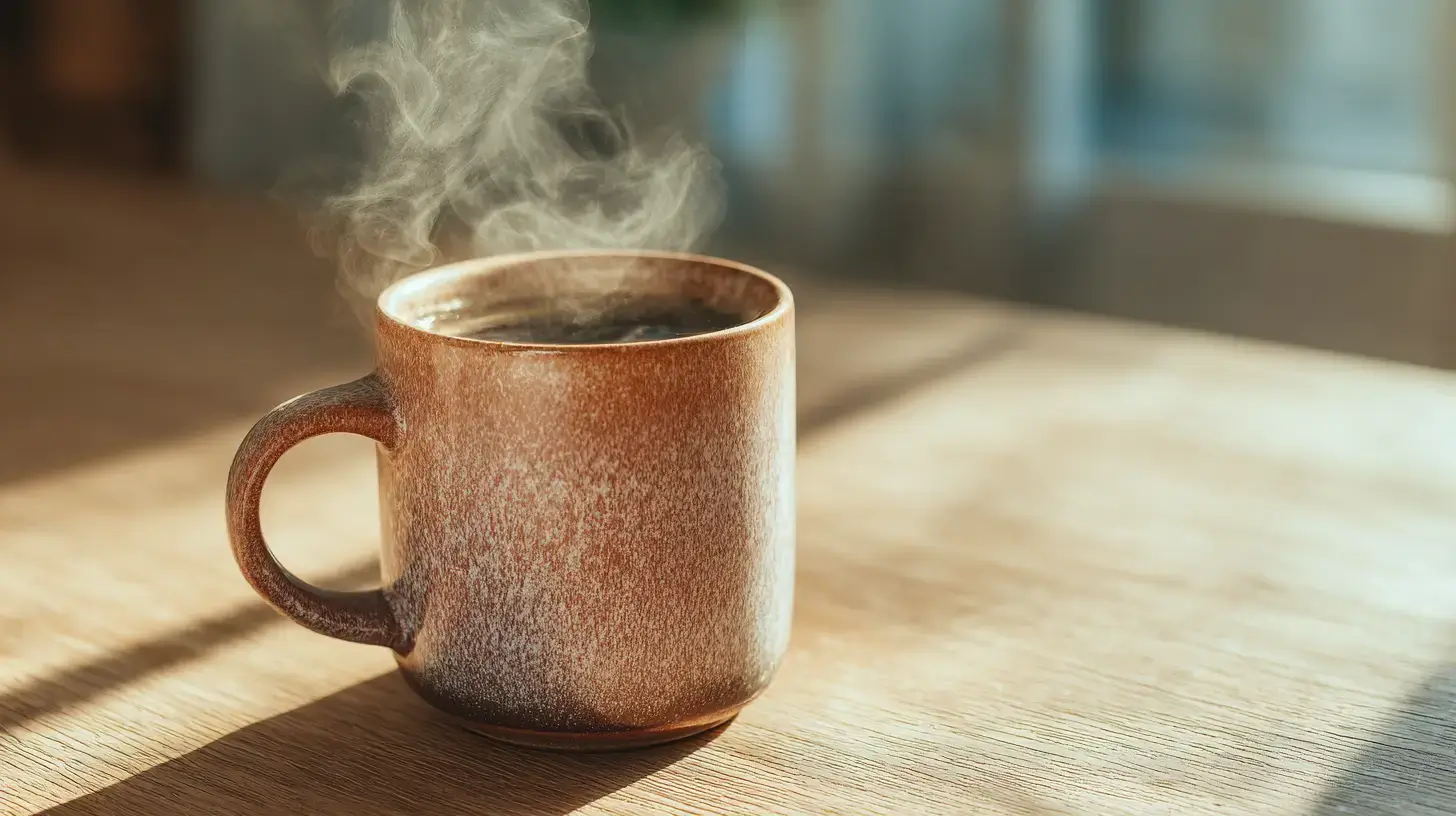
Warm functional drinks combine the comfort of a hot beverage with ingredients chosen for a particular purpose, such as providing caffeine, offering a caffeine-free alternative, contributing to hydration, or simply creating a relaxing drink experience.
They can include familiar beverages such as ginger tea, rooibos, matcha, mushroom coffee, or warm drinks made with spices and other plant ingredients. What makes a drink “functional,” however, is not simply that it contains a trendy ingredient. The ingredients, amounts, caffeine content, added sugar, and reason for drinking it all matter.
In this guide, we’ll look at common functional hot drink ingredients, options for different times of day, caffeine-free choices, and simple warm drink ideas you can make at home.
For a broader introduction to this category, see our guide to wellness drinks.
What Are Warm Functional Drinks?
“Functional drink” is a broad term used for beverages formulated or chosen for a purpose beyond basic hydration.
Depending on the drink, that purpose might involve caffeine for alertness, protein for additional nutrition, electrolytes following substantial fluid loss, or simply choosing a caffeine-free herbal beverage later in the day.
Warm functional drinks apply the same idea to beverages served hot or warm.
That does not mean every warm functional drink has proven health benefits. The evidence depends on the individual ingredients, their amounts, and how they are prepared.
A warm drink can also be enjoyable without needing to provide a special health effect.
Common Ingredients in Warm Functional Drinks
The ingredients used in functional hot drinks vary widely. Here are some of the most common categories.
Ginger
Fresh or dried ginger is commonly used in warm drinks because of its spicy flavor and long history of culinary use.
Ginger has also been studied for several potential effects, particularly in relation to nausea and digestive symptoms, although the evidence depends on the preparation and situation.
You can learn more in our guide to ginger tea benefits.
Hibiscus
Hibiscus is naturally caffeine-free and produces a tart, deep-red infusion.
It contains plant compounds known as anthocyanins and has been studied particularly for its potential effects on blood pressure.
Read more about hibiscus tea benefits.
Rooibos
Rooibos is a naturally caffeine-free herbal infusion with a mild flavor. This makes it an option for people who want a warm drink without the caffeine found in coffee or traditional tea.
See our guide to rooibos tea benefits.
Matcha and Traditional Tea
Matcha, green tea and black tea naturally contain caffeine. The amount varies depending on the type of tea, quantity used and preparation method.
They may therefore be more appropriate earlier in the day for people whose sleep is affected by caffeine.
If you’re deciding between two popular caffeinated options, see matcha vs coffee.
Coffee
Coffee is another functional beverage when caffeine and alertness are the reason for choosing it.
However, more caffeine is not necessarily better. Individual sensitivity varies, and caffeine consumed later in the day can interfere with sleep in some people.
Spices
Cinnamon, turmeric, ginger and other spices are frequently added to warm drinks for flavor.
Their presence does not automatically turn a beverage into a treatment or guarantee a particular health effect. Research involving concentrated extracts or supplements should also not automatically be applied to the small amounts used in homemade drinks.
Warm Functional Drinks for Morning Energy

Starting your day with a warm functional drink can set For people who use caffeine, morning is a practical time for caffeinated functional drinks because consuming caffeine earlier may be less likely to interfere with nighttime sleep.
Coffee
Coffee provides caffeine and can increase alertness temporarily. It can be enjoyed plain or incorporated into other warm beverages.
If you’re interested in variations, see our coffee with ginger and lemon guide.
Matcha
Matcha also contains caffeine, although its caffeine content can vary substantially according to serving size and preparation.
It offers a different flavor and drinking experience from coffee rather than being universally “better” or providing guaranteed steadier energy.
Black or Green Tea
Traditional teas can provide another source of caffeine for people who prefer tea to coffee.
The best option ultimately depends on taste, caffeine tolerance and how the beverage makes you feel.
Important: A morning functional drink does not need to contain caffeine. Water and caffeine-free beverages remain perfectly reasonable morning choices.
Caffeine-Free Warm Drinks for Focus
One of the queries associated with warm functional drinks is the search for beverages that can be consumed while working or concentrating without additional caffeine.
It’s important to distinguish caffeine-free from focus-enhancing.
A caffeine-free drink should not automatically be expected to improve concentration.
Instead, these beverages can provide something warm to sip while working without adding caffeine.
Possible options include:
- Rooibos
- Peppermint tea
- Ginger tea
- Lemon balm tea
- Other caffeine-free herbal infusions
For additional options, see our guide to the best caffeine-free drinks.
Warm Functional Drinks for Relaxation and Evening
Evening is another popular time for warm drinks, particularly for people who want to avoid caffeine later in the day.
A warm beverage can be part of a relaxing evening routine, but it is important not to assume that every herbal drink directly improves sleep.
Chamomile Tea
Chamomile is one of the most familiar herbal teas associated with evening use. It is naturally caffeine-free and has a mild floral flavor.
Learn more about chamomile tea benefits.
Lemon Balm Tea
Lemon balm is another caffeine-free herbal option commonly consumed for its mild flavor and traditional association with relaxation.
See our guide to lemon balm tea benefits.
Rooibos
Because rooibos is naturally caffeine-free, it can also be enjoyed later in the day by people trying to limit evening caffeine.
The best evening beverage ultimately depends on individual tolerance and preference. People who experience reflux, nighttime urination, or other symptoms may also prefer to adjust how much and how late they drink.
For additional ideas, see our guide to the best drinks for better sleep.
Cozy Warm Drinks for Family Meals

Not every functional drink needs to target energy, digestion or sleep.
Warm beverages can simply provide a comforting alternative to soda, alcohol, or heavily sweetened drinks during a meal or family gathering.
Good options can include caffeine-free herbal infusions, warm spiced drinks with little or no added sugar, rooibos, or other beverages that suit the meal and the people drinking them.
When preparing drinks for several people, remember that caffeine tolerance and dietary needs can differ. Children, pregnant people and people taking medications may have different considerations depending on the ingredients used.
The goal does not need to be creating the most “functional” drink possible. Sometimes a simple warm beverage that everyone enjoys is enough.
6 Warm Functional Drink Ideas to Try
Here are six practical options depending on what you’re looking for.

1. Fresh Ginger Tea
Steep sliced fresh ginger in hot water, then strain. Lemon can be added for flavor if desired.
Good for: A simple caffeine-free warm drink.
2. Rooibos With Cinnamon
Prepare rooibos and add a small cinnamon stick while it steeps.
Good for: A naturally caffeine-free afternoon or evening option.
3. Warm Lemon and Ginger Drink
Combine fresh ginger with hot water and add lemon after steeping.
Good for: People looking for a tart, caffeine-free alternative to tea or coffee.
4. Matcha
Whisk matcha powder with hot water according to the product directions.
Good for: People who want a caffeinated alternative to coffee.
5. Chamomile Tea
Steep chamomile according to package directions and serve without added sugar or sweeten lightly if desired.
Good for: A caffeine-free evening beverage.
6. Mushroom Coffee
Mushroom coffee products generally combine coffee or coffee alternatives with mushroom-derived ingredients.
Formulations vary considerably, so check the ingredient list and caffeine content rather than assuming all mushroom coffee products provide the same effects.
See our guide to mushroom coffee benefits for more information.
How to Choose a Warm Functional Drink
Instead of choosing a beverage because it carries a “functional” or “wellness” label, consider what is actually inside it.
Check the Caffeine
If you’re sensitive to caffeine or drinking the beverage later in the day, check whether it contains coffee, matcha, green tea, black tea, yerba mate, or another caffeine source.
Check Added Sugar
A beverage can contain herbs or other functional ingredients and still contain substantial amounts of added sugar.
For packaged drinks, check both the nutrition label and serving size.
Look at the Actual Ingredients
Terms such as “adaptogenic,” “detox,” “energy,” and “wellness” do not tell you how effective a product is.
Look at the individual ingredients and consider whether the claims made for them are supported by appropriate evidence.
Consider Your Own Health and Medications
Herbal ingredients can have biological effects and may not be appropriate for everyone.
If you take medication, are pregnant or breastfeeding, or have a medical condition, seek appropriate professional guidance before regularly consuming concentrated herbal or functional products.
Frequently Asked Questions
What is a warm functional drink?
A warm functional drink is a hot or warm beverage chosen or formulated for a purpose beyond basic hydration. It may contain caffeine, herbs, spices, protein, electrolytes or other ingredients. The potential effects depend on the specific formulation.
What ingredients are used in functional hot drinks?
Common ingredients include coffee, tea, matcha, ginger, hibiscus, rooibos, spices, botanical ingredients and, in some commercial products, protein or other added nutrients. There is no single standard formula.
What are good warm drinks for morning energy?
Coffee, matcha, green tea and black tea contain caffeine and may temporarily increase alertness. People who prefer to avoid caffeine can choose a caffeine-free warm beverage instead.
What warm functional drinks are caffeine-free?
Examples include rooibos, chamomile, peppermint, ginger and many other herbal infusions. Always check packaged products because blends may contain caffeinated ingredients.
What are good warm drinks for relaxation?
Many people choose caffeine-free herbal beverages such as chamomile, lemon balm or rooibos in the evening. They can be part of a relaxing routine, but no beverage should be assumed to treat sleep problems.
Are warm drinks healthier than cold drinks?
Not inherently. Temperature alone does not make a beverage healthier. Ingredients, added sugar, caffeine, serving size and overall dietary context are generally more important considerations.
Can I drink functional drinks every day?
It depends on the beverage and its ingredients. Simple unsweetened drinks may fit easily into a daily diet, while products containing substantial caffeine, concentrated botanicals, supplements or other active ingredients require more consideration.
Final Thoughts
Warm functional drinks can range from familiar beverages such as coffee and ginger tea to caffeine-free herbal infusions and newer commercial functional products.
Rather than assuming that a drink is healthy because it is warm, natural or marketed as functional, look at what it actually contains and why you are drinking it.
For morning alertness, caffeine-containing beverages may be useful for people who tolerate them. Later in the day, caffeine-free drinks can provide a warm alternative without adding more caffeine. And sometimes the best choice is simply a beverage you enjoy that contains little added sugar.
For a broader comparison of beverage categories, ingredients and everyday choices, visit our complete guide to wellness drinks.