

Wellness drinks include a wide range of beverages, from herbal teas and unsweetened hydration drinks to electrolyte beverages and functional drinks. The term is broad, and not every product marketed as a “wellness drink” automatically provides a health benefit.
A useful way to approach these drinks is to look at what they actually contain, why you are drinking them, and whether they offer a practical advantage over alternatives such as water, sugary drinks, or heavily caffeinated beverages.
In this guide, we’ll look at the main types of wellness drinks, what they can realistically offer, ingredients worth paying attention to, and simple ways to choose beverages that fit your hydration needs and everyday routine.
What Are Wellness Drinks?
“Wellness drink” is not a strict nutritional or medical category. It is a broad term commonly used for beverages associated with hydration, nutrition, relaxation, energy, or other everyday health goals.
Examples can include unsweetened herbal teas, electrolyte drinks, coffee alternatives, fermented beverages, and drinks made with ingredients such as ginger, hibiscus, or fruit.
The label itself does not make a beverage healthy. A useful wellness drink should be evaluated by its actual ingredients, added sugar, caffeine content, calories, serving size, and the reason you are choosing it.
For example, an unsweetened herbal tea may provide a flavorful caffeine-free alternative to soda, while an electrolyte drink may be useful in situations involving significant fluid and electrolyte losses. Neither needs to be consumed simply because it is marketed as a wellness product.
Types of Wellness Drinks
Wellness drinks can be grouped into several broad categories based on their ingredients and intended use.
Herbal Teas
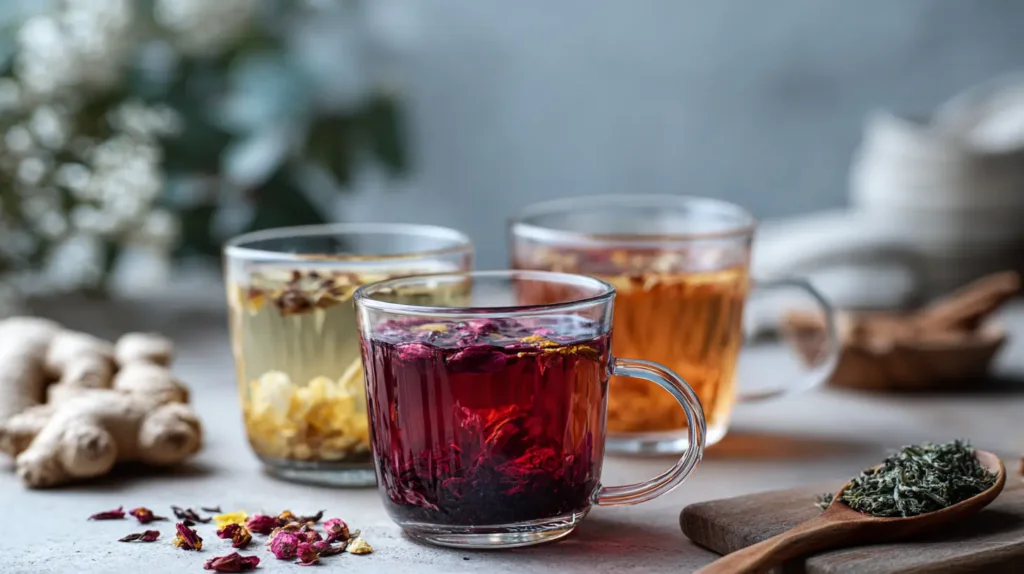
Herbal teas are caffeine-free infusions made from plants other than traditional tea leaves. Common examples include hibiscus, chamomile, peppermint, ginger, and rooibos.
Their composition and potential effects vary considerably from one plant to another, so “herbal tea” should not be treated as a single health category.
Explore our herbal teas guide or try these cold brew herbal tea recipes.
Hydration Drinks
Water remains the basic beverage for everyday hydration. Flavored water, unsweetened infused drinks, and other low-sugar beverages can provide alternatives for people who prefer more flavor.
How much fluid someone needs varies according to factors such as activity, environment and diet. See how much water you need daily for more information.
Electrolyte Drinks
Electrolyte drinks contain minerals such as sodium and potassium. They can be useful in situations involving meaningful fluid and electrolyte losses, but they are not automatically necessary for ordinary daily hydration.
Some commercial versions also contain substantial amounts of added sugar. If you’re comparing options, see our guide to electrolyte drinks without sugar.
Functional Drinks
Functional drinks are beverages marketed or formulated for a particular purpose beyond basic hydration. This broad category can include caffeinated drinks, adaptogenic beverages, prebiotic drinks, protein drinks and other products containing added functional ingredients.
Claims vary widely between products, so the ingredient list and evidence behind a particular ingredient matter more than the word “functional” on the label.
Hydration and Electrolyte Drinks
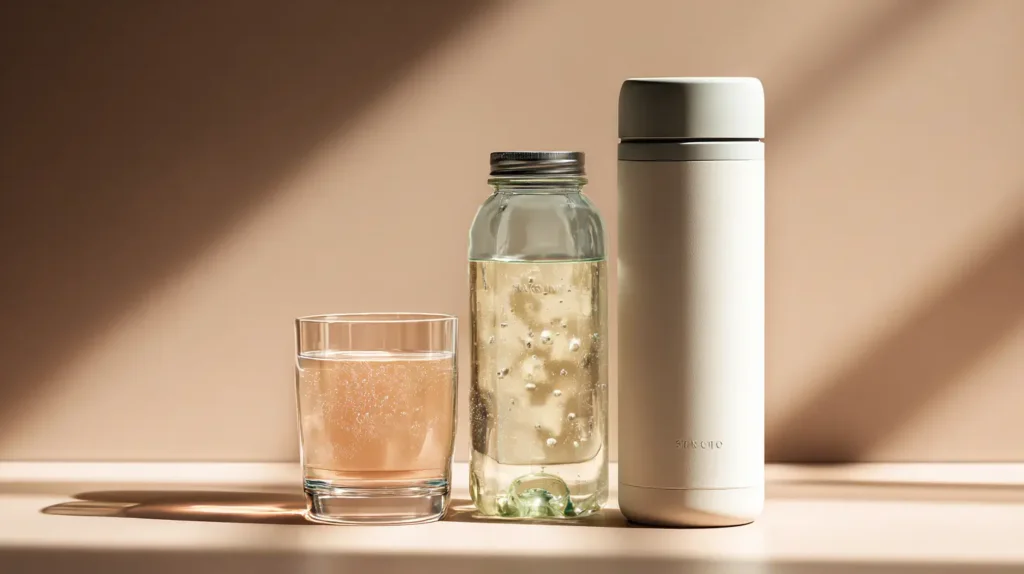
Hydration is one of the simplest reasons to think carefully about beverage choices. For most everyday situations, water can cover basic hydration needs, while other unsweetened beverages can also contribute to fluid intake.
Electrolytes such as sodium and potassium help regulate fluid balance and perform important functions in the body. However, that does not mean everyone needs an electrolyte drink every day.
Electrolyte beverages may be more relevant when fluid and electrolytes have been lost through prolonged exercise, heavy sweating or certain illnesses. Individual needs can vary considerably.
For ordinary daily drinking, check the label before assuming an electrolyte beverage is healthier than water. Pay particular attention to added sugar, sodium and serving size.
You can explore electrolyte drinks without sugar or our homemade electrolyte drink without sugar for more information.
What Are Functional Drinks?

Functional drinks are beverages promoted for purposes beyond basic hydration. Depending on the product, they may contain caffeine, protein, fiber, probiotics or prebiotics, electrolytes, botanical extracts, vitamins, or other added ingredients.
This is a very broad category, and the presence of a “functional” ingredient does not necessarily mean a drink provides a meaningful health benefit.
Caffeinated Functional Drinks
Coffee, tea, matcha and some commercial functional beverages contain caffeine. Caffeine can increase alertness, but sensitivity varies and consuming it too late in the day can interfere with sleep for some people.
Caffeine-Free Options
People who want to reduce caffeine can choose from herbal teas, flavored water and other caffeine-free beverages. These may be particularly useful later in the day for people who are sensitive to caffeine.
See our guide to the best caffeine-free drinks for more options.
Other Functional Ingredients
Products may also contain ingredients marketed for digestion, relaxation, energy or other purposes. Evidence can differ substantially between ingredients, and research on a concentrated ingredient or supplement does not necessarily prove that a commercial drink containing it provides the same effect.
How to Choose Wellness Drinks
Instead of trying to create a complicated drink routine, start by considering what you actually need from a beverage.
For everyday hydration: Start with water and other unsweetened beverages.
For a caffeine-free option: Consider herbal teas such as hibiscus, chamomile, peppermint or rooibos.
After significant sweating or prolonged exercise: An electrolyte beverage may sometimes be useful depending on the circumstances.
For energy or alertness: Coffee, tea and other caffeinated beverages are options, but consider your caffeine tolerance and the time of day.
To replace sugary drinks: Unsweetened tea, infused water and other low-sugar beverages can help reduce added-sugar intake.
Most importantly, read the ingredient list rather than relying on words such as “wellness,” “detox,” “natural,” or “functional.”
If you prefer organizing beverages around different parts of the day, see our daily wellness drink routine.
Common Mistakes to Avoid With Wellness Drinks
Assuming “Natural” Means Better
Natural ingredients can still have biological effects, interact with medications, or be inappropriate for certain people. Evaluate the individual ingredient rather than relying on marketing language.
Ignoring Added Sugar
A drink marketed for hydration, energy or wellness can still contain a significant amount of added sugar. Check the nutrition label and serving size when comparing packaged drinks.
Using Electrolytes When You Don’t Need Them
Electrolyte drinks can be useful in certain circumstances, but more electrolytes are not automatically better. Everyday hydration needs are different from the needs created by prolonged exercise or substantial fluid loss.
Treating Wellness Drinks as Meal Replacements
Most wellness drinks are not nutritionally equivalent to a balanced meal. Unless a product is specifically formulated as a meal replacement, beverages should generally complement rather than replace food.
Expecting a Drink to “Detox” the Body
Be skeptical of beverages promising to flush toxins, melt fat, reset metabolism or produce rapid health transformations. These claims often go beyond what research on the ingredients can support.
FAQs About Wellness Drinks
What counts as a wellness drink?
“Wellness drink” is a broad marketing and lifestyle term rather than a formal nutritional category. It can include herbal teas, hydration drinks, electrolyte beverages and products containing functional ingredients.
Are wellness drinks actually healthy?
It depends on the drink. An unsweetened herbal tea and a high-sugar functional beverage can both be marketed as wellness drinks while having very different nutritional profiles. Ingredients, added sugar, caffeine and serving size matter more than the label.
Can I drink wellness drinks every day?
That depends on the ingredients. Water and many unsweetened beverages can fit into everyday routines, while drinks containing substantial caffeine, electrolytes, botanical extracts or other active ingredients may require more consideration.
Do I need electrolyte drinks every day?
Most people do not need a special electrolyte beverage simply because they are going through a normal day. Needs can increase with substantial sweating, prolonged physical activity or other situations involving significant fluid and electrolyte loss.
Are wellness drinks better than water?
Not necessarily. Water remains an effective choice for everyday hydration. Other drinks may provide flavor, caffeine, electrolytes or other ingredients, but that does not make them universally better for hydration.
Can wellness drinks help with weight loss?
No wellness drink should be expected to cause meaningful weight loss on its own. Replacing high-calorie sugary beverages with unsweetened or lower-calorie options can reduce calorie intake, but that is different from a drink directly burning fat.
What should I look for when buying a wellness drink?
Check the ingredient list, added sugar, calories, caffeine, sodium and serving size. If the product makes a specific health claim, consider whether that claim is supported by evidence rather than relying on terms such as “detox,” “cleanse,” or “natural.”
Final Thoughts
Wellness drinks are a broad category, not a guarantee of better health. Herbal teas, hydration drinks, electrolyte beverages and functional drinks can all have a place in a balanced diet, but their value depends on their ingredients and how they are used.
For everyday choices, prioritize adequate hydration, moderate added sugar, appropriate caffeine intake, and drinks you genuinely enjoy. When a beverage contains concentrated botanical extracts or makes strong health claims, look beyond the marketing and consider the evidence behind the ingredients.
A wellness drink does not need to be complicated or trendy to be useful. In many cases, water, unsweetened tea or another simple beverage may be all you need.