
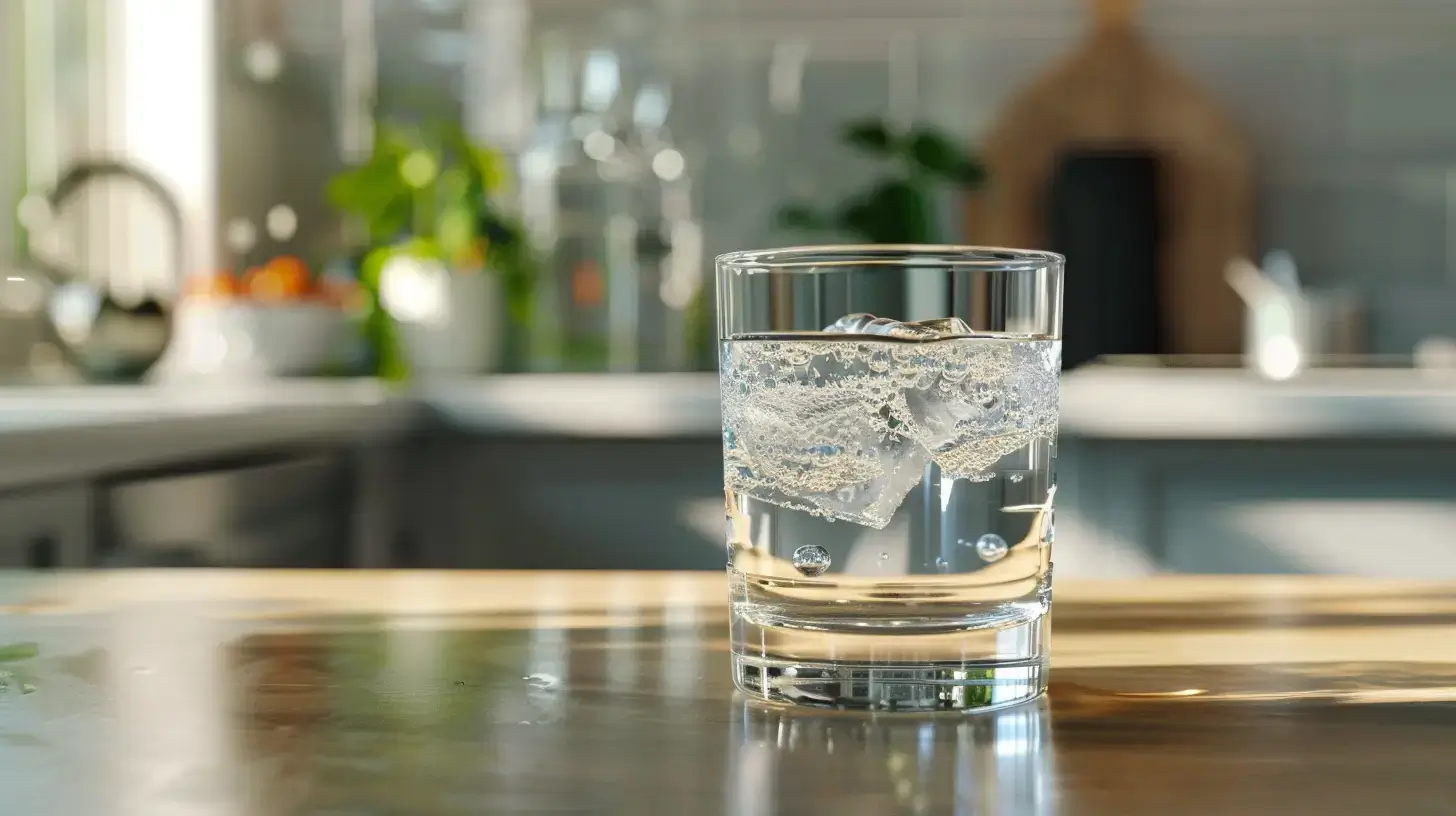
Electrolyte drinks without sugar provide minerals such as sodium and potassium without the added sugars found in many traditional sports drinks.
But “sugar-free” does not automatically mean healthier. Some products contain sweeteners, very high amounts of sodium, or ingredients you may not need for everyday hydration. And for many people going through a normal day, plain water and a balanced diet are enough.
So what should you actually look for?
This guide compares the main types of sugar-free electrolyte drinks, explains the ingredients that matter, and shows how to choose an option based on activity, sweating, added sugar, sweeteners, and your individual needs.
For a broader look at hydration beverages, see our guide to wellness drinks.
What Are Electrolyte Drinks Without Sugar?
Electrolytes are electrically charged minerals involved in important processes such as fluid balance, nerve signaling and muscle function.
Common electrolytes include:
- Sodium
- Potassium
- Magnesium
- Calcium
- Chloride
An electrolyte drink without sugar contains one or more of these minerals without added sugars such as sucrose, glucose or fructose.
However, “zero sugar” and “unsweetened” are not necessarily the same thing.
A zero-sugar product may still contain non-sugar sweeteners. If you specifically want an electrolyte drink without sugar or artificial sweeteners, check the ingredient list rather than relying only on the nutrition panel.
Do You Actually Need an Electrolyte Drink?
Not everyone needs electrolyte drinks every day.
For ordinary daily hydration, water and a balanced diet are often sufficient.
Electrolyte replacement becomes more relevant when meaningful amounts of fluid and electrolytes are lost, such as during prolonged exercise, heavy sweating, hot conditions, vomiting or diarrhea.
Needs vary considerably depending on the situation.
That distinction matters because adding more electrolytes is not automatically better hydration.
If you’re unsure how ordinary fluid intake fits into the picture, see how much water you need daily.
Best Types of Electrolyte Drinks Without Sugar
There isn’t one universally healthiest electrolyte drink. The better choice depends on why you need it and what you want to avoid.
1. Unsweetened Electrolyte Powders
Unflavored electrolyte powders can be one of the simplest choices for people who specifically want to avoid both sugar and sweet taste.
Look for products that clearly disclose the amount of sodium and other electrolytes per serving.
Best suited for: people who want control over ingredients and concentration.
Check for: sodium amount, potassium, magnesium, serving size and additional ingredients.
2. Zero-Sugar Electrolyte Packets
Single-serving packets are convenient for work, travel and exercise.
However, many zero-sugar packets use non-sugar sweeteners to create a sweet flavor.
That isn’t necessarily a problem for everyone, but people specifically looking for electrolyte drinks without sugar or artificial sweeteners should read the ingredient list carefully.
Best suited for: convenience and portability.
3. Ready-to-Drink Zero-Sugar Electrolyte Beverages
Bottled electrolyte beverages require no preparation and can be useful when convenience matters.
Their formulations vary substantially. Compare the electrolyte amounts and ingredients instead of assuming products with similar front-label claims are equivalent.
Best suited for: travel, workouts and situations where mixing a powder is inconvenient.
4. Electrolyte Water
Some bottled waters contain added electrolytes.
These products can provide minerals without sugar, although electrolyte concentrations can differ significantly between brands.
Best suited for: people looking for a simple ready-to-drink option rather than a concentrated electrolyte formula.
5. Homemade Sugar-Free Electrolyte Drinks
Making your own beverage provides more control over ingredients, but mineral amounts still matter.
Rather than turning this article into another recipe page, we’ve created a separate guide for that purpose:
homemade electrolyte drink without sugar.
How to Find the Healthiest Electrolyte Drink Without Added Sugar
Instead of looking for a single “healthiest” brand, compare these characteristics.
Added Sugar
Check the nutrition label for added sugars and the ingredient list for sugar-containing ingredients.
A product labeled no added sugar may differ from one labeled zero sugar, so read the complete label.
Sodium
Sodium is an important electrolyte lost in sweat, but the appropriate amount depends on the situation.
A high-sodium product designed for substantial sweat losses may not be necessary for someone simply sitting at a desk.
People who have been advised to limit sodium should follow guidance appropriate to their medical situation.
Potassium and Magnesium
These minerals have important physiological roles, but a product does not automatically become healthier because it contains more of them.
Compare the amounts per serving rather than simply counting how many minerals appear on the front of the package.
Sweeteners
If you specifically want a product without sugar and without artificial or other non-sugar sweeteners, check the ingredient list.
Possible sweeteners vary by product and can include sucralose, acesulfame potassium, stevia or other ingredients.
“Sugar-free” alone does not tell you whether a beverage is unsweetened.
Serving Size
Compare products using the actual serving size.
One packet, scoop or bottle may contain substantially different amounts of sodium and other electrolytes from another.
Popular Sugar-Free Electrolyte Options: What to Compare
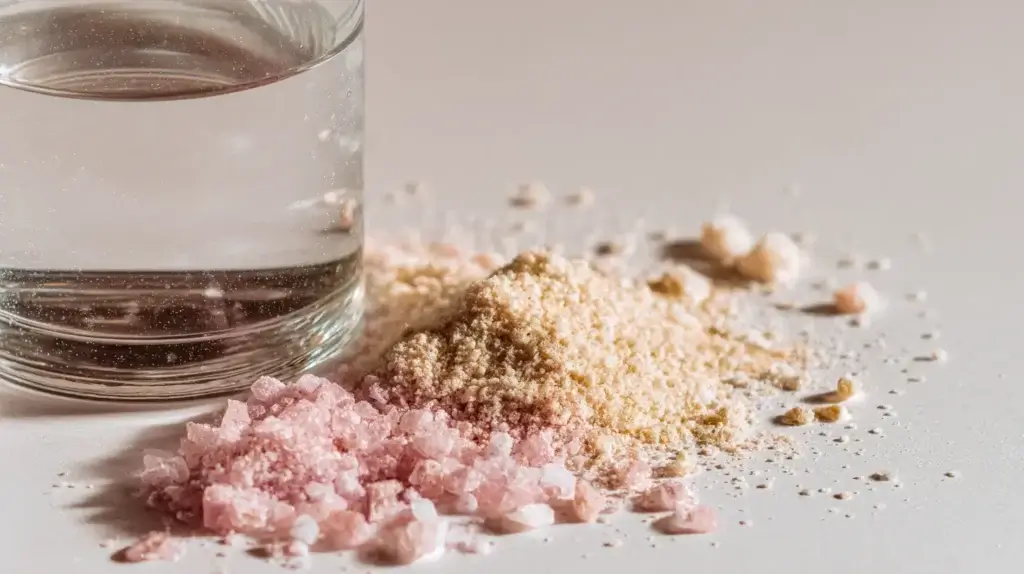
Several well-known brands sell electrolyte products with little or no sugar, but formulas can change over time.
Rather than ranking them as universally “healthiest,” compare the current nutrition and ingredient labels.
LMNT
LMNT is known for electrolyte packets with relatively high sodium content and offers unflavored as well as flavored formulations.
The higher sodium level may be relevant for people with substantial sweat losses, but it does not make the product automatically appropriate for everyone.
Check the current formulation and serving information before choosing it.
Liquid I.V.
Liquid I.V. sells multiple hydration formulas, including sugar-free products.
Because formulations differ, check the specific product rather than assuming every Liquid I.V. product is sugar-free or has the same ingredients.
Pay attention to sodium, sweeteners and serving size.
Pedialyte
Pedialyte also offers multiple formulations, including products marketed with reduced or no sugar.
These products are formulated for hydration rather than simply everyday flavored water, so choose the specific formulation according to the situation and label directions.
Again, ingredients differ between versions.
Other Powders and Packets
Many other electrolyte powders are available.
Instead of selecting solely by brand recognition, compare:
- Added sugar
- Sodium per serving
- Potassium and magnesium
- Sweeteners
- Serving size
- Other added ingredients
Product formulations can change, so the package label is more reliable than an old online comparison.
Electrolyte Drinks Without Sugar or Artificial Sweeteners
This is slightly different from simply searching for a “zero sugar” product.
A beverage can contain zero grams of sugar while still tasting sweet because it contains another sweetener.
If you want neither sugar nor sweeteners, look specifically for terms such as unflavored or unsweetened, then verify the ingredient list.
An unflavored mineral or electrolyte powder may be easier to find than a flavored ready-to-drink beverage that meets both requirements.
However, “unflavored” does not automatically mean the product contains nothing except electrolytes, so the ingredient list still matters.
Electrolyte Powder vs. Ready-to-Drink Beverages
Neither format is universally better.
Powders are portable, can be less expensive per serving, and sometimes allow you to control concentration.
Ready-to-drink beverages are convenient and require no preparation.
The more important comparison is the actual formulation.
For example, a bottled beverage could contain fewer electrolytes than a powder serving, while another product could contain substantially more sodium. Compare labels according to your reason for using the drink.
Sugar-Free Electrolyte Drinks and Diabetes
Removing added sugar can be useful when someone is trying to limit sugar intake, but that does not automatically make every sugar-free electrolyte product appropriate for every person with diabetes.
Individual dietary needs, medications and health conditions vary.
Some products also contain carbohydrates or other ingredients despite being marketed around reduced sugar.
If you have diabetes and want more specific guidance, see our separate article on sugar-free electrolyte drinks for diabetics.
For personalized advice, particularly when illness or significant dehydration is involved, consult an appropriate healthcare professional.
What About Electrolytes for Fasting or Keto?

Sugar-free electrolyte products are popular among people following low-carbohydrate diets or fasting routines.
However, whether a particular beverage fits a fast depends on what the person means by fasting and the ingredients in the product.
Do not assume that every product labeled “zero sugar” automatically meets every fasting protocol.
For keto diets, electrolyte needs can also vary according to diet, activity, health and other factors.
Choose based on the actual formulation rather than assuming a product is necessary simply because it is marketed for keto or fasting.
Homemade vs. Store-Bought Electrolyte Drinks
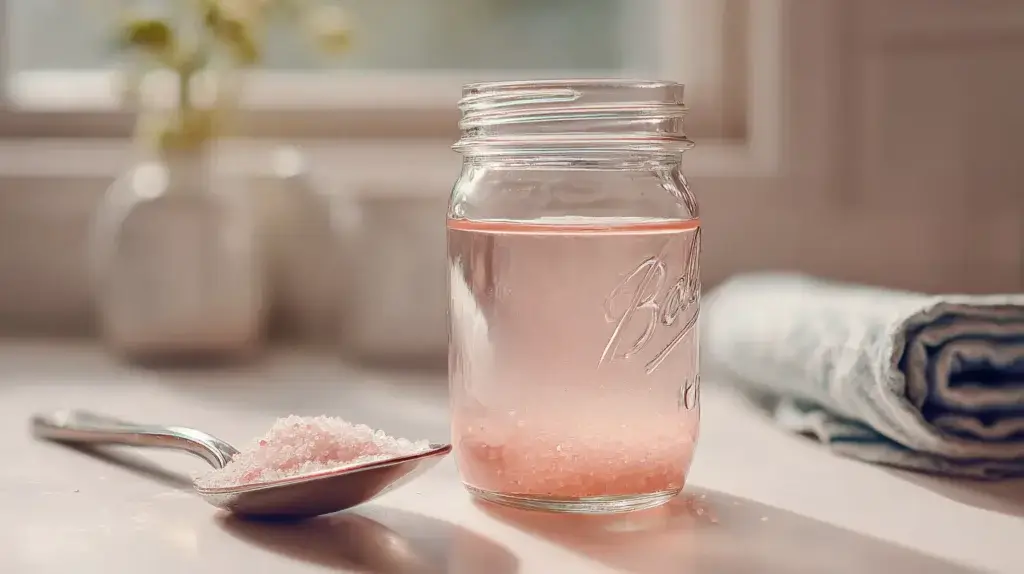
Both have advantages.
A store-bought product provides a nutrition label and a consistent formulation, while a homemade beverage gives you control over the ingredients.
The disadvantage of homemade recipes is that adding minerals such as potassium or magnesium without understanding appropriate amounts can be problematic.
For that reason, avoid casually increasing mineral quantities because “more electrolytes” sounds healthier.
For the actual recipe, use our homemade electrolyte drink without sugar guide.
When Might Sugar-Free Electrolytes Be Useful?
Situations where electrolyte replacement may be relevant include:
- Prolonged or intense exercise
- Heavy sweating
- Hot environments
- Certain illnesses involving fluid loss
- Situations where a healthcare professional has recommended electrolyte replacement
For routine daily hydration without substantial fluid loss, an electrolyte drink may not provide an advantage over water and an adequate diet.
Common Mistakes When Choosing Electrolyte Drinks
Assuming Zero Sugar Means Unsweetened
Always check the ingredients if avoiding sweeteners matters to you.
Choosing the Highest Electrolyte Amount
More sodium, potassium or magnesium is not automatically better.
Using Electrolytes for Every Drink
Electrolyte beverages generally do not need to replace plain water throughout the day.
Ignoring Medical Considerations
People with certain kidney, heart or blood-pressure conditions may need to pay particular attention to sodium, potassium or fluid intake.
Follow individualized medical guidance where appropriate.
Believing “Natural” Means Safer
A product made with “natural” ingredients can still provide inappropriate amounts of minerals for a particular person.
FAQ: Electrolyte Drinks Without Sugar
What are the best electrolyte drinks without added sugar?
There is no single best product for everyone. Useful options include unsweetened electrolyte powders, zero-sugar packets, electrolyte water and ready-to-drink products. Compare sodium, other electrolytes, sweeteners and serving size according to your needs.
What is the healthiest electrolyte drink without sugar?
For many people, the healthiest choice is simply the one that provides an appropriate amount of electrolytes for the situation without unnecessary added sugar or ingredients. People who do not need electrolyte replacement may be adequately hydrated with water and food.
Are there electrolyte drinks without sugar or artificial sweeteners?
Yes. Unflavored or unsweetened electrolyte powders and some mineral/electrolyte waters may contain neither added sugar nor sweeteners. Always verify the current ingredient list.
Can you get electrolytes without drinking sugar?
Yes. Electrolytes themselves are minerals and do not inherently require sugar. However, carbohydrates can play a useful role in some sports and medical rehydration situations, so sugar-free is not automatically superior in every circumstance.
Are sugar-free electrolyte drinks better than water?
Not necessarily. Water is appropriate for much everyday hydration. Electrolyte beverages become more relevant when significant electrolytes have been lost or when there is another specific reason for replacing them.
Can I drink sugar-free electrolytes every day?
That depends on the formulation, your diet, activity and health. Some products contain substantial sodium or other minerals. Daily use is not automatically necessary simply because a drink contains no sugar.
Do sugar-free electrolyte drinks contain calories?
Some have very few or no calories, while others contain additional ingredients that contribute calories. Check the nutrition label of the specific product.
Final Thoughts
Electrolyte drinks without sugar can be useful when you need to replace fluids and minerals without adding substantial amounts of sugar.
But the word “sugar-free” should not be the only criterion.
Compare sodium and other electrolytes, serving size, sweeteners and additional ingredients, and consider why you need an electrolyte beverage in the first place.
For ordinary daily hydration, water remains a simple choice. When electrolyte replacement makes sense, choose a formulation that matches the situation rather than automatically selecting the product with the most minerals or the strongest wellness claims.
Print
Electrolyte Drinks Without Sugar: Healthy Hydration Without the Crash
Stay hydrated and energized with this clean, sugar-free DIY electrolyte drink — perfect for fasting, keto, and low-carb lifestyles.
- Total Time: 5 minutes
- Yield: 1 serving 1x
Ingredients
- 2 cups filtered water
- 1/4 teaspoon pink salt
- 1/8 teaspoon magnesium powder (optional)
- 1/8 teaspoon potassium chloride powder (optional)
- Fresh lemon juice (optional, a few drops only — omit for strict fasting)
- All ingredients are optional except water and salt. No sugar, no sweeteners.
Instructions
- Pour the filtered water into a glass or jar.
- Add the pink salt and stir until fully dissolved.
- If using, add magnesium and potassium powder. Mix well.
- Taste and adjust mineral amounts slightly if needed.
- Drink immediately or store in the refrigerator for up to 24 hours.
Notes
This electrolyte drink contains no sugar and no artificial sweeteners. Ideal for fasting, keto, diabetics, and low-carb lifestyles. If you are sensitive to minerals, start with smaller amounts. Do not exceed recommended daily intake of potassium or magnesium.
- Prep Time: 5 minutes
- Cook Time: 0 minutes
Nutrition
- Serving Size: 1 serving
- Calories: 0
- Sugar: 0g
- Sodium: 300–400mg
- Fat: 0g
- Saturated Fat: 0g
- Unsaturated Fat: 0g
- Trans Fat: 0g
- Carbohydrates: 0g
- Fiber: 0g
- Protein: 0g
- Cholesterol: 0mg
Keywords: electrolyte drink, sugar-free hydration, DIY electrolyte, fasting drink, keto electrolyte