

Staying hydrated is important for everyone, including people with diabetes. But choosing an electrolyte drink can be confusing when products vary widely in sugar, carbohydrates, sodium, potassium and sweeteners.
A “zero sugar” label does not automatically make one electrolyte drink the right choice for every person with diabetes. Individual needs can differ depending on activity, sweating, medications, kidney function and other health factors.
This guide explains what to look for on electrolyte drink labels, when sugar-free options may be useful, and when additional medical guidance may be appropriate.
If you’re looking for options regardless of diabetes, see our guide to electrolyte drinks without sugar.
Do People With Diabetes Need Electrolyte Drinks?

Not necessarily.
For routine daily hydration, many people can meet their fluid and electrolyte needs through water and food. Electrolyte drinks become more relevant when fluid and mineral losses increase, such as during prolonged exercise, heavy sweating or hot weather.
Diabetes can also complicate hydration in some circumstances. High blood glucose can increase urination and fluid loss, for example.
However, persistent thirst or frequent urination should not simply be treated by drinking more electrolytes. They can also be signs that blood glucose needs attention.
What to Look for in a Sugar-Free Electrolyte Drink
Instead of looking for one universally “best” product, compare the nutrition label and ingredient list.
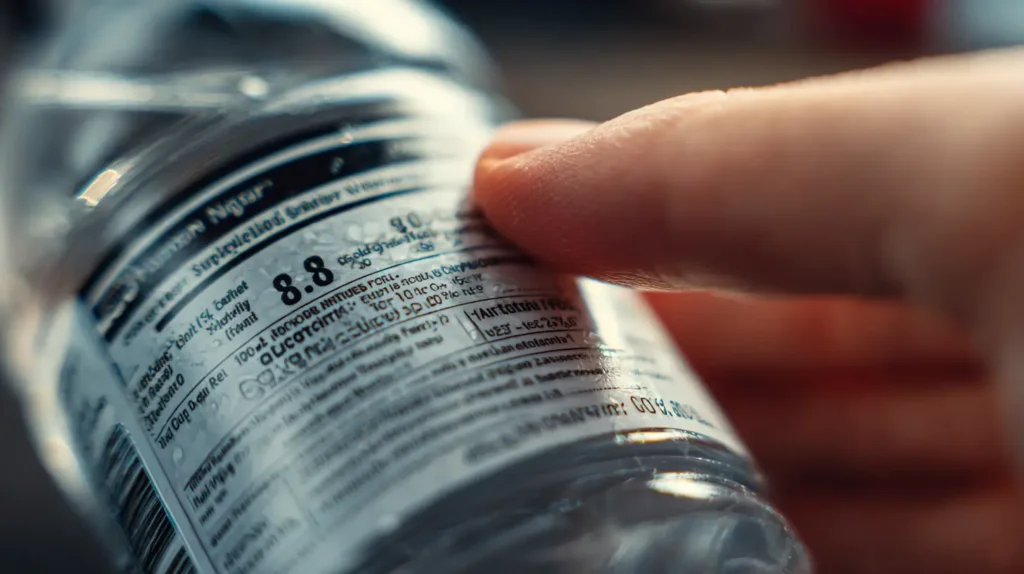
Added Sugar and Total Carbohydrates
Start by checking both added sugar and total carbohydrate.
A product labeled “sugar-free” may use alternative sweeteners or contain other carbohydrate-containing ingredients. The nutrition label provides more useful information than relying on front-of-package marketing alone.
People who monitor carbohydrate intake should consider the entire serving rather than focusing only on the word “sugar.”
What About Artificial and Non-Sugar Sweeteners?
Sugar-free electrolyte drinks may use sweeteners such as sucralose, aspartame, acesulfame potassium, stevia or other sugar substitutes.
These ingredients differ from added sugars and generally contribute little or no carbohydrate in the amounts used in beverages.
Rather than assuming that every sweetener is harmful or beneficial, consider the nutrition label, your individual tolerance and any guidance you have received from your healthcare team.
An unsweetened electrolyte product is also an option for people who simply prefer to avoid sweeteners.
Are Zero-Sugar Sports Drinks Okay for People With Diabetes?
Some can fit into a person’s diet, but “zero sugar” should not be the only criterion.
Check:
- Total carbohydrate per serving
- Serving size
- Sodium and other electrolytes
- Sweeteners
- Any other ingredients relevant to your individual health needs
A zero-sugar sports drink is also not automatically necessary for everyday hydration. If you have not been exercising heavily or losing substantial fluid through sweat, plain water may be sufficient.

What About Coconut Water?
Coconut water contains potassium and other minerals, but it also naturally contains carbohydrate and sugar.
Therefore, unsweetened coconut water is not the same thing as a sugar-free electrolyte drink.
If you monitor carbohydrate intake, check the nutrition label and serving size rather than assuming that a “natural” drink has no effect on carbohydrate intake.
Learn more in our guide to coconut water and electrolytes.
Homemade vs. Store-Bought Electrolyte Drinks
Homemade and commercial electrolyte drinks serve different preferences.
A homemade drink gives you control over the ingredients, while packaged products can provide clearly labeled amounts of sodium and other electrolytes.
Neither option is automatically healthier simply because it is homemade or commercially prepared.
If you want to make one yourself, use our dedicated homemade electrolyte drink without sugar recipe rather than improvising concentrated amounts of sodium, potassium or magnesium.
When Extra Caution Is Important
eople with diabetes should be especially cautious about changing electrolyte intake if they also have kidney disease, heart disease, high blood pressure, fluid restrictions or take medications that affect sodium or potassium.
Vomiting, diarrhea or significant dehydration also requires a different approach from ordinary exercise hydration. A standard sugar-free sports drink or homemade electrolyte beverage should not automatically be substituted for a properly formulated oral rehydration solution.
Seek medical guidance for severe or persistent dehydration, significant blood glucose abnormalities, confusion, inability to keep fluids down or other concerning symptoms.
Frequently Asked Questions
What is the best sugar-free electrolyte drink for diabetics?
There is no single electrolyte drink that is best for everyone with diabetes. Compare total carbohydrates, added sugar, sodium, potassium, sweeteners and serving size, while considering your individual health needs and medications.
Can people with diabetes drink zero-sugar electrolyte drinks?
Some zero-sugar electrolyte drinks can fit into a diabetes-friendly eating pattern. Check the complete nutrition label rather than relying only on the “zero sugar” claim.
Do people with diabetes need electrolyte drinks every day?
Not necessarily. For many people, water and a balanced diet are sufficient for everyday hydration. Electrolyte beverages may become more useful with prolonged exercise, substantial sweating or other situations involving increased fluid and electrolyte losses.
Can electrolyte drinks raise blood sugar?
Drinks containing carbohydrates can affect blood glucose. Sugar-free products generally contain little or no sugar, but formulations vary, so check total carbohydrate and serving size.
Are electrolyte drinks safe with kidney disease?
Kidney disease can affect how the body handles minerals such as potassium and sodium. People with kidney disease should follow individualized medical advice rather than selecting an electrolyte drink based solely on its sugar content.
Final Thoughts
Sugar-free electrolyte drinks can be useful in certain situations, but diabetes does not automatically mean you need an electrolyte beverage every day.
Look beyond the “zero sugar” label. Check carbohydrates, serving size, sodium, potassium and sweeteners, and consider your individual health needs.
For general product-selection guidance, see electrolyte drinks without sugar. If you prefer to make your own, see our homemade electrolyte drink without sugar.