
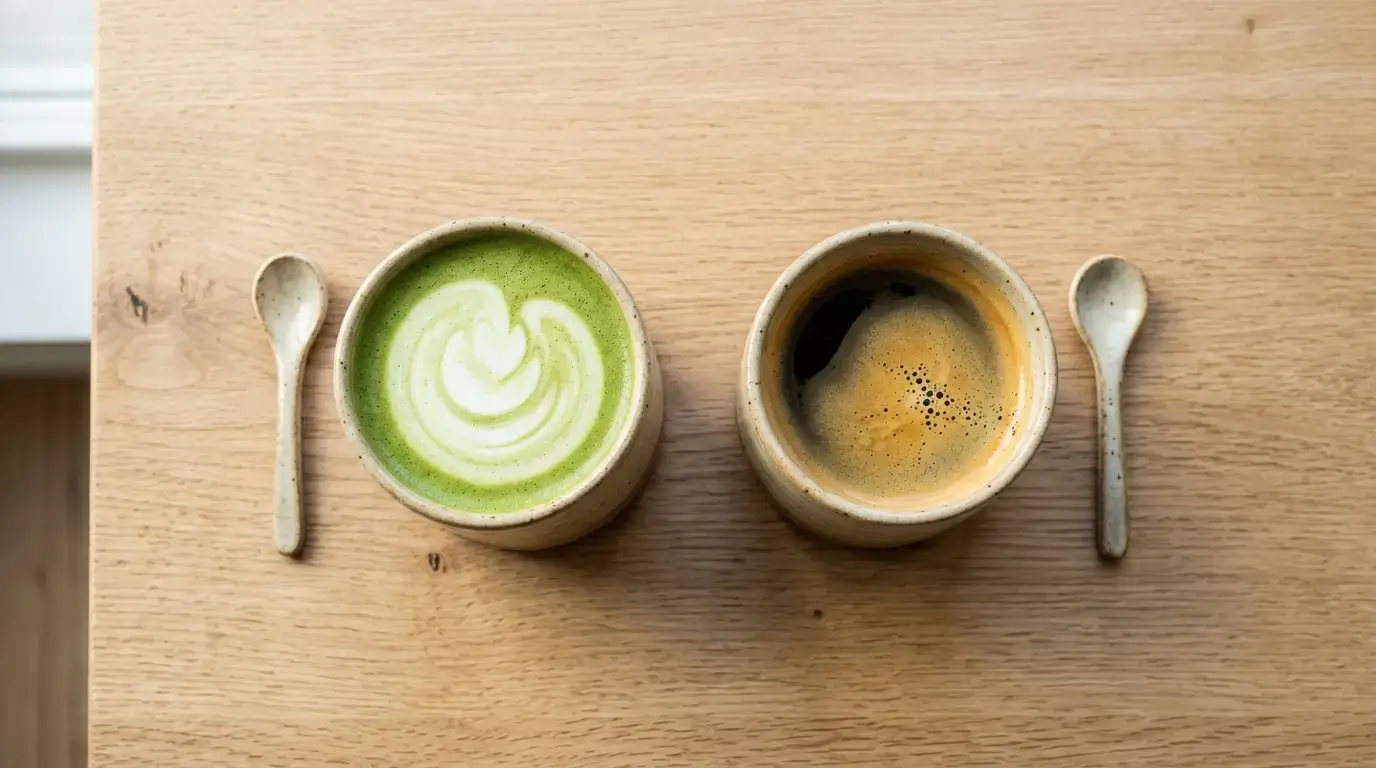
Matcha and coffee are two popular ways to start the day, and both contain caffeine. But they differ consider
ably in how they’re made, the plant compounds they provide, their typical caffeine content and how people may respond to them.
So, is matcha better than coffee?
There isn’t one answer for everyone.
Coffee has a much larger body of research behind it and usually provides more caffeine per serving. Matcha contains caffeine too, but it also provides tea compounds such as catechins and L-theanine.
If you’re deciding between the two, the most useful comparison isn’t simply which drink is “healthier.” It’s how they differ in caffeine, potential benefits, anxiety and jitters, digestion, side effects and personal tolerance.
What’s the Difference Between Matcha and Coffee?
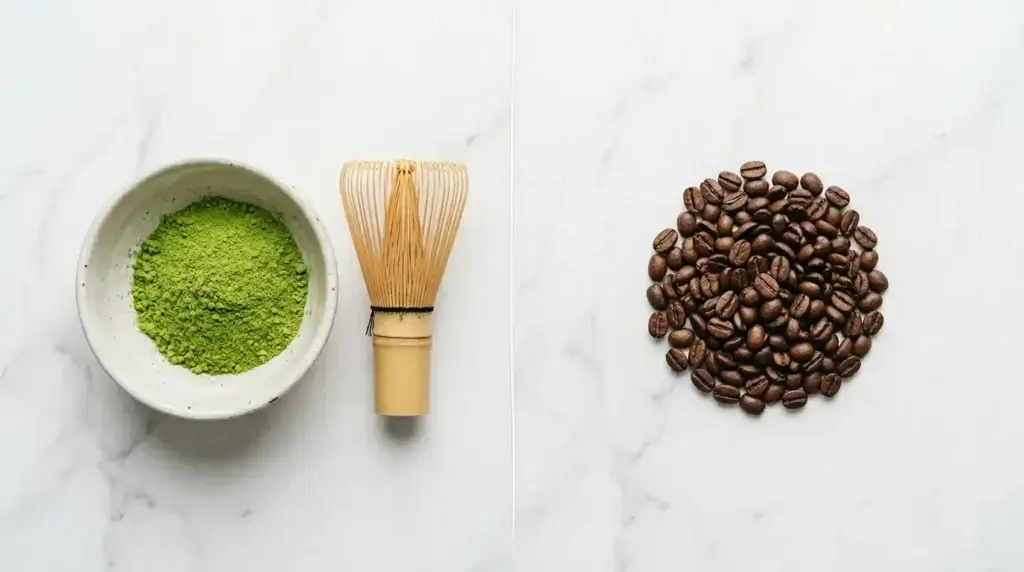
Coffee is made from roasted coffee beans, while matcha is made from finely ground green tea leaves from the Camellia sinensis plant.
With traditional green tea, the leaves are steeped in water and removed.
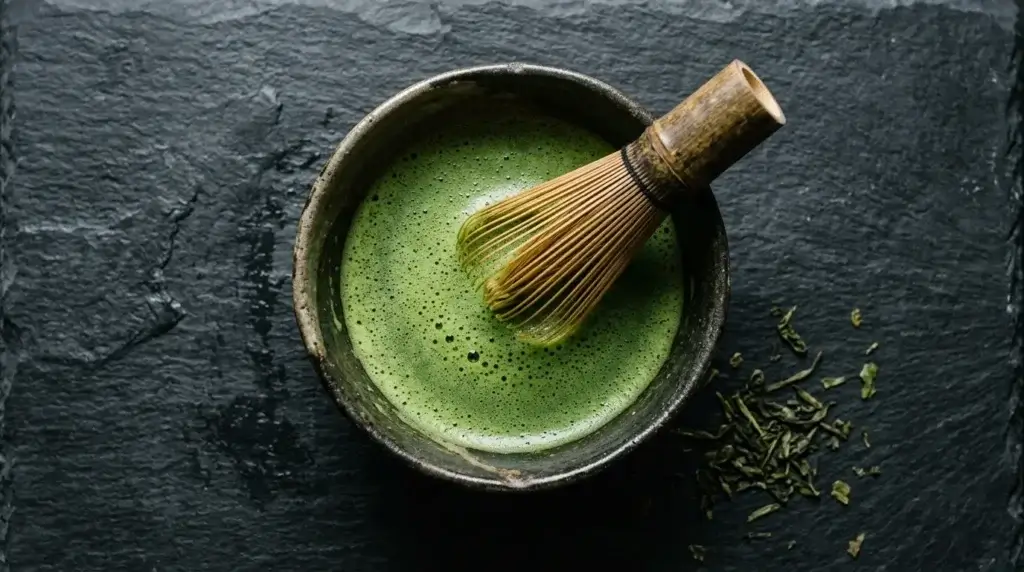
With matcha, the powdered tea is mixed directly into water, so you consume the leaf material itself.
Both drinks contain caffeine, but their other compounds differ.
Coffee contains compounds including chlorogenic acids and other polyphenols.
Matcha contains tea catechins, including EGCG, as well as L-theanine.
These differences are more useful than treating one beverage as universally superior to the other.
Matcha vs Coffee Caffeine
One of the biggest differences is caffeine.
The exact amount varies considerably according to serving size, preparation method, coffee bean, matcha quantity and product.
A typical cup of brewed coffee often contains more caffeine than a serving of matcha, although there can be considerable overlap.
| Beverage | Typical caffeine pattern |
|---|---|
| Matcha | Moderate; varies with amount of powder |
| Brewed coffee | Usually higher per typical cup |
| Espresso | Concentrated, but served in a smaller volume |
| Decaf coffee | Much lower, but not always completely caffeine-free |
Because caffeine amounts vary so much, checking the serving size or product information is more useful than assuming every cup contains a fixed amount.
Does Matcha Have Caffeine?
Yes.
Matcha is not caffeine-free.
That’s particularly important for people who are sensitive to caffeine, pregnant, taking certain medications or trying to reduce their total caffeine intake.
Does a Matcha Latte Have Caffeine?
Yes.
A matcha latte normally contains caffeine because matcha itself contains caffeine.
The amount depends primarily on how much matcha powder is used.
Milk or plant-based milk doesn’t remove the caffeine.
Why Does Matcha Feel Different From Coffee?
Many people describe matcha as producing a different subjective experience from coffee.
One possible reason is L-theanine.
L-theanine is an amino acid naturally present in tea. Research has examined combinations of caffeine and L-theanine in relation to attention and cognitive performance.
However, this doesn’t mean that L-theanine completely changes caffeine absorption or guarantees “calm energy.”
People respond differently to caffeine regardless of whether it comes from coffee, tea or matcha.
Factors such as:
- caffeine amount,
- caffeine tolerance,
- sleep,
- medications,
- genetics,
- serving size,
- and whether other caffeinated drinks are consumed
can all affect the experience.
Matcha vs Coffee for Anxiety
This is particularly important because caffeine can worsen anxiety symptoms in some people.
Coffee often contains more caffeine per typical serving than matcha. Therefore, switching to a lower-caffeine drink may reduce caffeine-related symptoms for some people.
But that doesn’t mean matcha is an anxiety treatment.
Matcha still contains caffeine and can still cause symptoms such as:
- nervousness,
- restlessness,
- shakiness,
- increased heart rate,
- or difficulty sleeping
in people who are sensitive to caffeine.
Is Matcha Better Than Coffee for Anxiety?
Possibly for some people, particularly when the serving provides less caffeine than their usual coffee.
Matcha also contains L-theanine, which has been studied alongside caffeine for effects on attention and aspects of mood.
However, evidence doesn’t support saying that matcha prevents anxiety or neutralizes caffeine.
Someone with an anxiety disorder shouldn’t rely on switching beverages as a treatment.
If caffeine consistently worsens symptoms, reducing overall caffeine intake may be more important than simply choosing matcha instead of coffee.
Matcha vs Coffee for Jitters
The same principle applies to jitters.
Caffeine itself can contribute to shakiness, palpitations or nervousness.
If your normal coffee contains substantially more caffeine than your matcha, you may feel fewer stimulant effects after switching.
But serving size matters.
A strong matcha prepared with more powder can still contain a meaningful amount of caffeine.
So the better question isn’t:
“Does matcha cause fewer jitters?”
but:
“How much caffeine am I actually consuming from each drink?”
Matcha vs Coffee: Health Benefits
Both beverages contain biologically active plant compounds and have been studied for potential health effects.
However, the strength and type of evidence differ.
Potential Benefits of Coffee
Coffee is one of the most extensively studied beverages.
Observational research has found associations between coffee consumption and several long-term health outcomes.
Coffee also provides caffeine, which can temporarily improve alertness and aspects of physical performance.
But observational associations don’t prove that coffee itself prevents disease.
Potential Benefits of Matcha
Matcha contains compounds also found in green tea, including catechins such as EGCG.
Tea catechins have been widely studied for their antioxidant and other biological properties.
Matcha also contains L-theanine and caffeine.
However, research specifically on matcha is smaller than the broader body of research on green tea.
Claims that matcha “detoxifies” the body or prevents disease go beyond what current evidence can establish.
Which Has More Antioxidants: Matcha or Coffee?
Both contain antioxidant compounds, but they’re different compounds.
Matcha is particularly known for catechins such as EGCG.
Coffee contains chlorogenic acids and other polyphenols.
Trying to declare one drink the antioxidant “winner” based on a single laboratory measurement isn’t especially useful.
The amount consumed, preparation method, diet and overall lifestyle matter more than simply comparing one antioxidant number.
Matcha vs Coffee for Weight Loss
Neither matcha nor coffee should be considered a weight-loss treatment.
Caffeine can temporarily influence energy expenditure, and compounds in green tea have also been studied in relation to metabolism.
But any effect is generally small compared with overall calorie intake, dietary pattern, physical activity, sleep and other factors affecting body weight.
Adding sugar, syrups, cream or high-calorie toppings can also substantially change the nutritional profile of either drink.
So switching from coffee to matcha—or vice versa—is unlikely to produce meaningful weight loss by itself.
Matcha vs Coffee for Acid Reflux
This is another area where individual tolerance matters.
Coffee can trigger reflux symptoms in some people, but not everyone with GERD needs to avoid coffee.
Matcha contains caffeine too, so it isn’t automatically reflux-friendly.
If one beverage consistently causes heartburn, consider:
- reducing the serving size,
- reducing caffeine,
- avoiding large amounts close to bedtime,
- and observing your individual triggers.
Don’t assume that matcha is “alkaline” and therefore automatically safer for acid reflux.
Matcha vs Coffee for Digestion
Coffee can stimulate bowel activity in some people.
For some, that’s welcome; for others it may cause urgency or discomfort.
Matcha can also cause digestive discomfort in some people, particularly when consumed in larger amounts or on an empty stomach.
Neither beverage is universally better for gut health.
If you’re interested in other beverage options, see our best drinks for gut health guide.
Matcha vs Green Tea
Matcha and green tea come from the same plant, Camellia sinensis, but they’re prepared differently.
Traditional green tea is made by steeping leaves in water and then removing them.
Matcha is powdered tea that is whisked into liquid, so the leaf material is consumed.
As a result, matcha can provide more concentrated amounts of certain tea compounds per serving.
But that doesn’t mean a cup of matcha is automatically healthier.
Regular green tea can still be part of a healthy dietary pattern and typically contains less caffeine than matcha.
Matcha vs Coffee for Focus
Both drinks contain caffeine, which can temporarily improve alertness.
Matcha also provides L-theanine.
Research examining caffeine combined with L-theanine suggests that the combination may affect certain measures of attention and cognitive performance.
However, that doesn’t mean everyone will concentrate better with matcha.
Someone who tolerates coffee well may find coffee equally useful for alertness.
Sleep quality, caffeine tolerance and total caffeine intake can have a much larger effect on concentration than the choice between the two beverages.
Matcha vs Coffee Before Exercise
Caffeine has substantial research behind its effects on exercise performance.
Coffee can be a convenient source of caffeine, although the amount varies by preparation.
Matcha also contains caffeine and could therefore provide some stimulant effect.
However, it shouldn’t automatically be considered superior for exercise because it contains additional tea compounds.
The most important factors are caffeine amount, individual tolerance and whether consuming caffeine fits your health circumstances.
Matcha vs Coffee Side Effects
Both can cause caffeine-related side effects.
Possible symptoms include:
- difficulty sleeping,
- nervousness,
- restlessness,
- increased heart rate,
- digestive discomfort,
- headaches,
- and increased urination.
People vary greatly in caffeine sensitivity.
Consuming several caffeinated drinks during the day can also make it easy to underestimate total caffeine intake.
Matcha and Coffee During Pregnancy
Both matcha and coffee contribute to daily caffeine intake.
Pregnancy recommendations generally involve limiting total caffeine rather than focusing exclusively on one beverage.
Because caffeine can also come from tea, chocolate, energy drinks, soda and some medications, the total from all sources matters.
Pregnant people should follow guidance from their healthcare professional regarding caffeine intake.
Can You Drink Matcha and Coffee on the Same Day?
Yes, many people can consume both, but total caffeine matters.
There is no special benefit to combining them.
If you already consume several caffeinated beverages, adding matcha to coffee can increase your total caffeine exposure rather than replace it.
People who experience insomnia, anxiety, palpitations or other caffeine-related symptoms may benefit from reducing total intake.
How to Switch From Coffee to Matcha
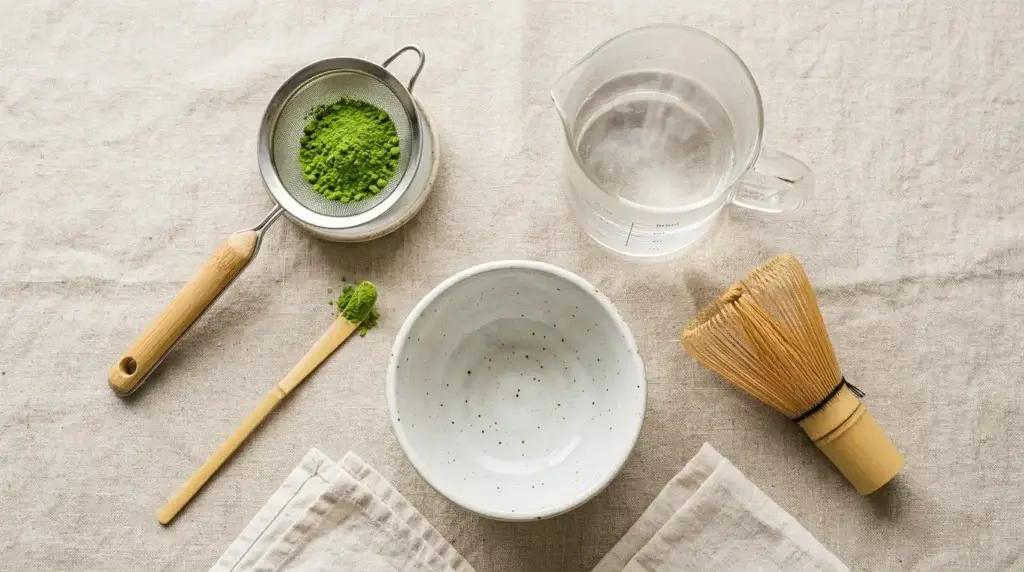
If you consume a substantial amount of caffeine every day, suddenly stopping can cause temporary withdrawal symptoms such as headaches, fatigue or irritability.
You don’t need a complicated three-week schedule.
A simpler approach is to gradually replace some of your regular coffee with a lower-caffeine beverage.
For example, you could replace one daily coffee with matcha and see how you tolerate the change.
If your primary goal is reducing caffeine substantially, decaffeinated coffee or caffeine-free beverages may reduce intake more than switching to matcha.
Which Should You Choose: Matcha or Coffee?
Choose according to your preferences rather than assuming one is universally healthier.
Matcha may appeal to you if:
- you enjoy its flavor,
- you want tea catechins and L-theanine,
- your serving contains less caffeine than your normal coffee,
- or you simply want an alternative to coffee.
Coffee may appeal to you if:
- you prefer its flavor,
- you want a higher-caffeine beverage,
- you enjoy the brewing ritual,
- or you tolerate coffee without unwanted effects.
And if you’re sensitive to caffeine, neither drink necessarily needs to be your default. Decaf coffee, herbal tea and other caffeine-free options are available too.
You can explore our best caffeine-free drinks for alternatives.
Frequently Asked Questions
Is matcha better than coffee for anxiety?
Not necessarily. Matcha often contains less caffeine than a typical cup of coffee and also contains L-theanine, so some people may prefer it. However, matcha still contains caffeine and can worsen anxiety symptoms in caffeine-sensitive people.
How much caffeine does matcha have compared with coffee?
The amount varies with serving size and preparation. Matcha generally contains less caffeine than a typical cup of brewed coffee, but it isn’t caffeine-free. Stronger servings can contain substantially more caffeine than weaker ones.
Does a matcha latte have caffeine?
Yes. Matcha naturally contains caffeine. The amount in a latte depends primarily on how much matcha powder is used.
Is matcha healthier than coffee?
Neither is universally healthier. Both contain different plant compounds and both can fit into a balanced diet. Coffee has a particularly large body of observational research, while matcha provides tea catechins and L-theanine.
Is matcha better than coffee for acid reflux?
Not necessarily. Some people tolerate matcha better than coffee, but matcha still contains caffeine and can cause symptoms in sensitive individuals. Personal triggers are important.
Does matcha give you energy without a crash?
Matcha contains caffeine and can increase alertness. Some people describe its effects differently from coffee, but there isn’t a guaranteed “crash-free” response. Individual caffeine response and dose matter.
Can I drink matcha and coffee on the same day?
Yes, but both contribute to your total caffeine intake. Consider all sources of caffeine, particularly if you experience sleep problems, nervousness or other stimulant-related symptoms.
Which has more caffeine, matcha or coffee?
A typical cup of brewed coffee generally contains more caffeine than a typical serving of matcha, although amounts vary considerably with preparation and serving size.
The Bottom Line
Matcha and coffee can both fit into a healthy diet.
Coffee usually provides more caffeine per typical serving and has a very large body of research behind it.
Matcha provides caffeine along with tea compounds such as EGCG and L-theanine.
The biggest practical difference may simply be how much caffeine you consume and how your body responds to it.
If coffee makes you jittery, switching to a lower-caffeine serving of matcha may be worth trying—but matcha isn’t an anxiety treatment and isn’t automatically healthier.
Likewise, if you enjoy coffee and tolerate it well, there’s no compelling reason to abandon it simply because matcha is currently popular.