
Hibiscus tea is a caffeine-free herbal infusion made from the dried calyces of Hibiscus sabdariffa. Known for its deep red color and tart flavor, it has a long history as a traditional drink and has also become the subject of modern research into its potential health effects.
Among the many benefits attributed to hibiscus tea online, the evidence is not equally strong for every claim. Research on blood pressure is among the most studied areas, while other proposed benefits rely on more limited human evidence or laboratory studies.
In this guide, we’ll separate what research supports from what remains uncertain, while also looking at hydration, antioxidants, weight management, safety, and practical ways to enjoy hibiscus tea.
What Is Hibiscus Tea?
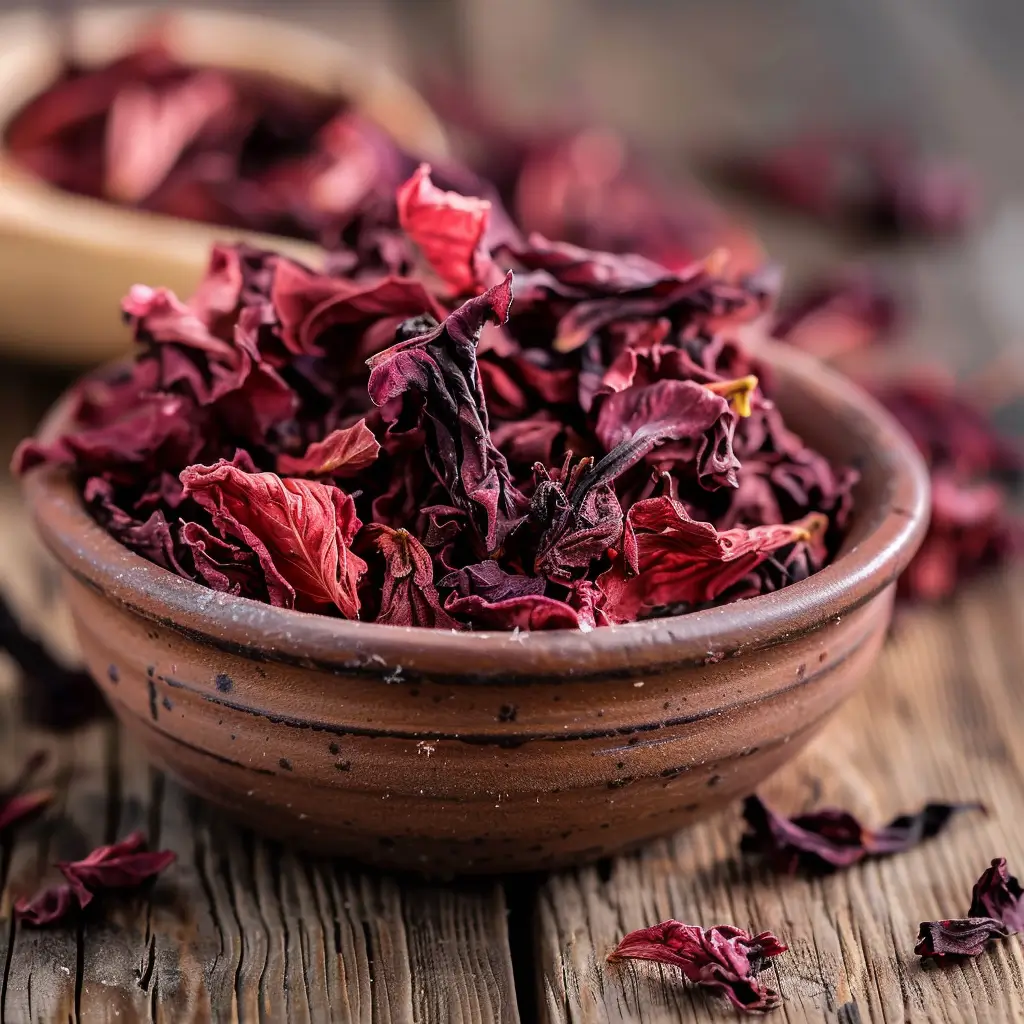
Hibiscus tea is made by steeping the dried calyces (the petal-like structure that holds the flower) of Hibiscus sabdariffa in hot or cold water. It’s naturally caffeine-free and gets its tart, cranberry-like flavor and deep red color from anthocyanins and organic acids (citric, malic, and hibiscus acid).
It’s known by different names depending on the region: karkade in Egypt and Sudan, agua de jamaica in Mexico, bissap in West Africa, and sorrel in the Caribbean.
Hibiscus Tea Benefits: What the Research Actually Shows
Blood Pressure Support
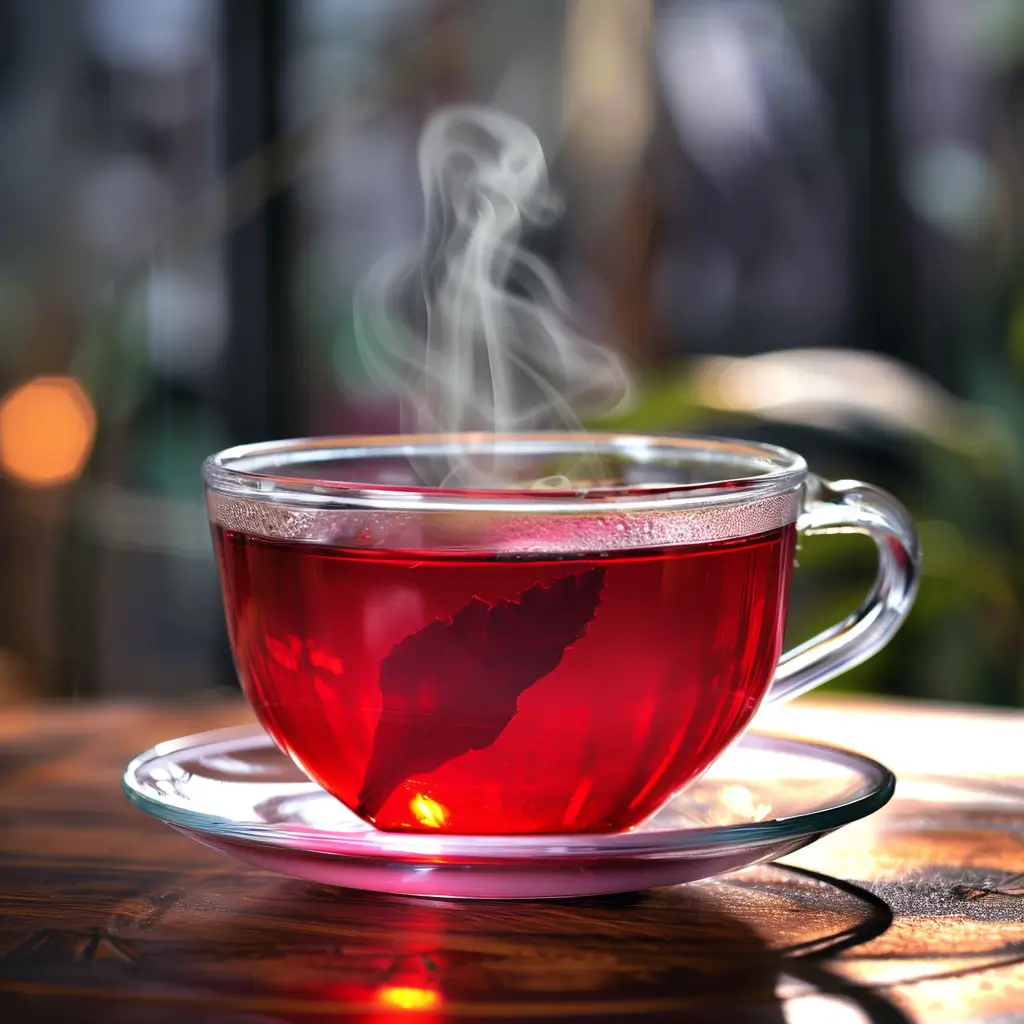
Blood pressure is one of the most studied potential health effects of hibiscus tea. Clinical trials and systematic reviews have reported reductions in blood pressure among some adults who consumed hibiscus preparations regularly.
However, the size of the effect varies between studies. Researchers have used different hibiscus preparations, amounts, study durations, and participant groups, so the findings should not be interpreted as a guaranteed reduction for everyone who drinks hibiscus tea.
Overall, the research suggests that hibiscus may have a modest blood-pressure-lowering effect in some adults, but it should not be considered a treatment for hypertension or a substitute for prescribed medication.
For a detailed look at the evidence, limitations, and safety considerations, see our guide to hibiscus tea and high blood pressure.
Antioxidant Content
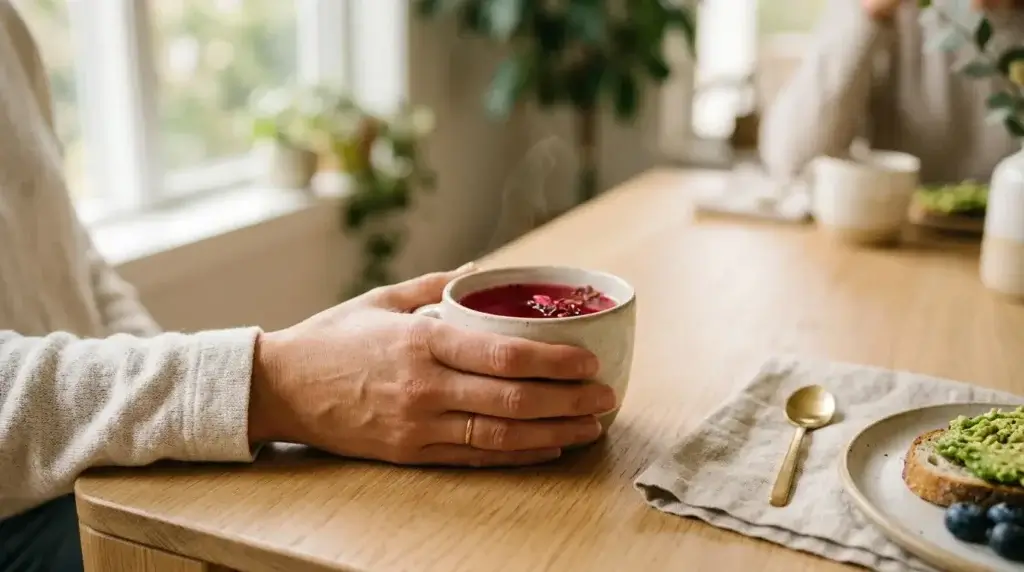
Hibiscus is rich in anthocyanins, the plant pigments responsible for its deep red color. These compounds have antioxidant properties and have been widely studied in laboratory research.
However, antioxidant activity measured in laboratory studies does not automatically translate into specific health outcomes in people. Human evidence for long-term benefits beyond areas such as blood pressure remains more limited.
Hydration, Without the Sugar
Unsweetened hibiscus tea contributes to daily fluid intake and is naturally caffeine-free. It can be a useful alternative to soda, sweetened tea, juice, or other sugary beverages if you enjoy its tart flavor.
Hibiscus tea does not hydrate better than plain water, but choosing an unsweetened drink you enjoy may make it easier to maintain adequate fluid intake.
For more information about daily hydration needs, see how much water you should drink daily.
Weight Management — Indirect, Not a Fat Burner
Hibiscus tea should not be considered a fat-burning or weight-loss drink. Its most practical role in weight management is as an unsweetened, low-calorie alternative to beverages that contain added sugar.
Some research has investigated hibiscus extracts for possible effects on body weight and metabolism, but findings from concentrated extracts should not automatically be applied to ordinary brewed hibiscus tea.
If weight management is your goal, hibiscus tea is better viewed as one small part of an overall eating and lifestyle pattern rather than a standalone weight-loss strategy.
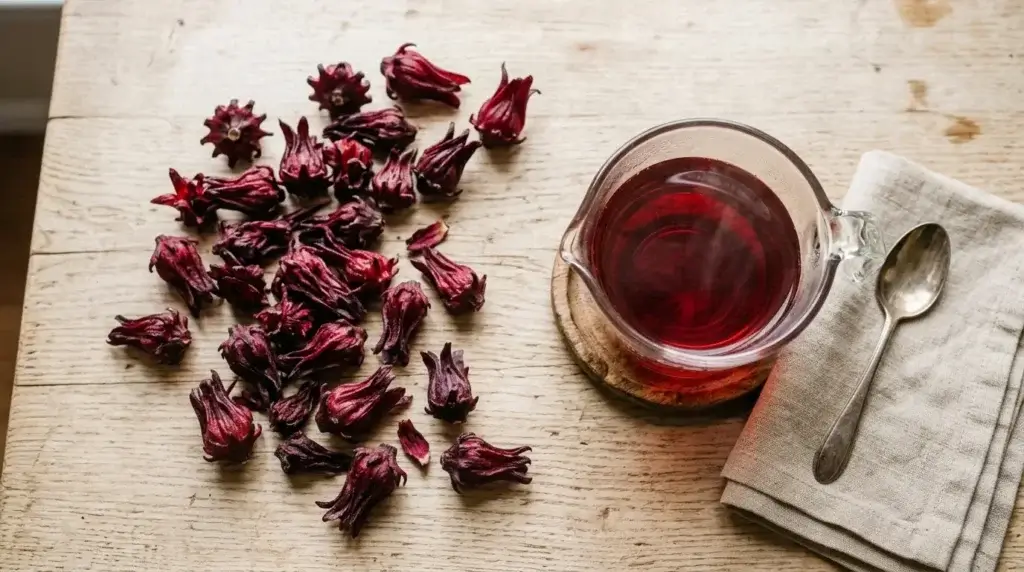
Hibiscus Tea Nutrient Profile
| Component | What to Know |
|---|---|
| Calories | Unsweetened hibiscus tea is naturally very low in calories |
| Anthocyanins | Plant pigments responsible for the deep red color and antioxidant activity |
| Organic acids | Contribute to hibiscus tea’s characteristic tart flavor and acidity |
| Vitamin C | Amounts can vary considerably depending on the hibiscus and preparation method |
| Caffeine | Hibiscus tea is naturally caffeine-free |
The exact composition of brewed hibiscus tea can vary considerably depending on the amount of dried hibiscus used, the variety and quality of the plant material, brewing time, water temperature, and serving size. For this reason, nutritional values for one cup should be treated as estimates rather than fixed amounts.
Is Hibiscus Tea Acidic or Alkaline?
Hibiscus tea is naturally acidic because the plant contains organic acids that contribute to its characteristic tart flavor. However, its exact acidity can vary depending on the concentration of hibiscus, brewing method, steeping time, and other ingredients added to the drink.
For most people, this acidity is not necessarily a problem. However, some people with acid reflux or GERD may find that tart or acidic drinks trigger or worsen their symptoms.
For a closer look at acidity, see is hibiscus tea acidic or alkaline. If reflux is your main concern, see our guide to hibiscus tea and acid reflux.
Hot vs Cold: Does It Change the Benefits?
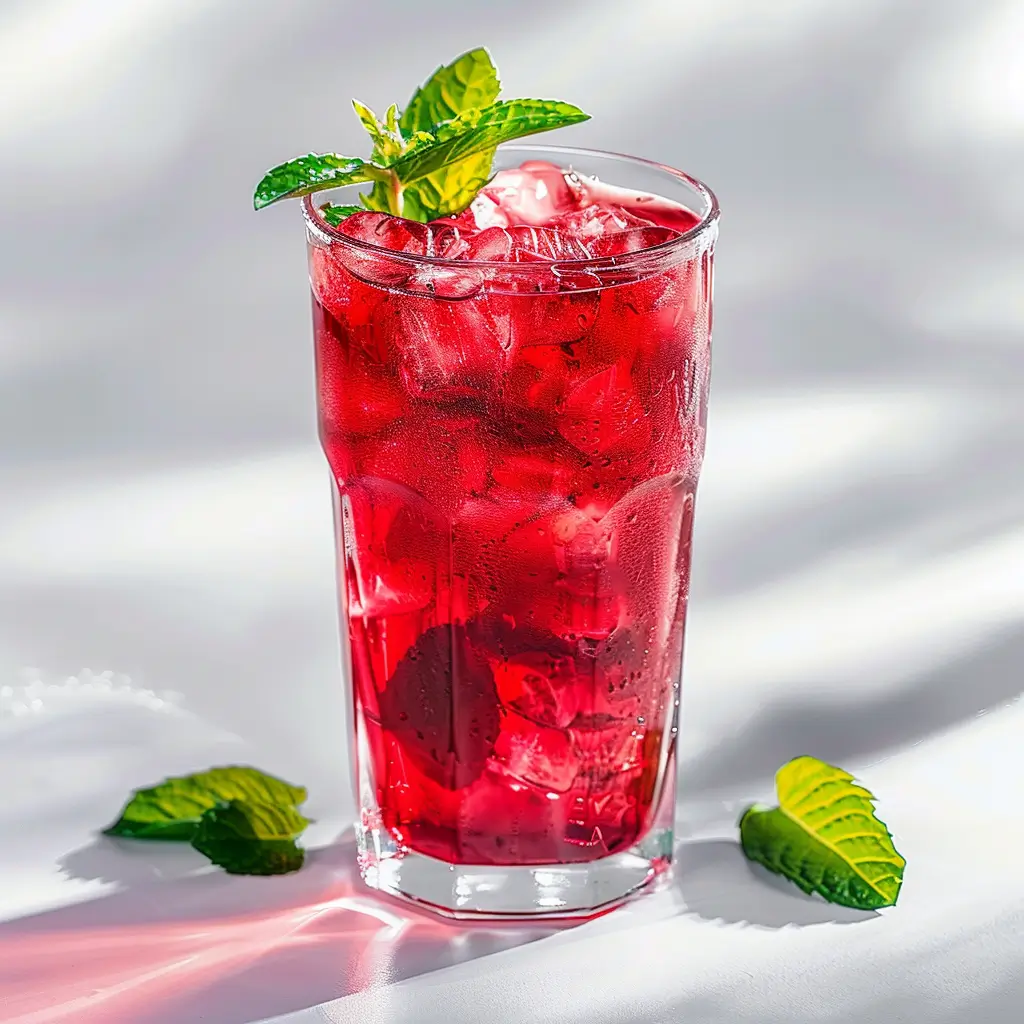
Hibiscus tea can be enjoyed either hot or cold, and both methods produce a flavorful, caffeine-free drink containing plant compounds such as anthocyanins and organic acids.
Brewing temperature and steeping time can influence which compounds are extracted and in what amounts, but there isn’t enough evidence to say that hot or cold hibiscus tea is universally healthier.
For most people, the better choice comes down to taste, preparation preference, and individual tolerance rather than a proven difference in health benefits.
For a detailed comparison, see hibiscus tea hot or cold.
How Much Hibiscus Tea Per Day Is Safe?
There is no single amount of hibiscus tea that is appropriate for everyone. Clinical studies have used different preparations and amounts, while ordinary brewed tea can also vary considerably in strength.
How much is appropriate can depend on factors such as brew strength, individual tolerance, health conditions, and medications. Drinking more does not necessarily provide greater benefits.
If you drink hibiscus tea regularly, especially if you take medication or have an existing health condition, discuss frequent or high intake with a healthcare professional.
For a more detailed discussion of serving amounts and factors to consider, see how much hibiscus tea per day.
Who Should Be Careful With Hibiscus Tea
Hibiscus tea is commonly consumed as a beverage, but certain people may need to be more cautious with regular or concentrated intake.
People taking blood pressure medication: Because hibiscus has been studied for potential blood-pressure-lowering effects, combining it with medication may require additional caution and medical guidance.
People with low blood pressure: If you already tend to have low blood pressure or experience dizziness, regular hibiscus consumption may not be appropriate without discussing it with a healthcare professional.
People with acid reflux or GERD: Hibiscus is naturally tart and acidic, and some people may find that it triggers or worsens reflux symptoms. See our hibiscus tea and acid reflux guide for more information.
Pregnancy and breastfeeding: Safety information for regular or concentrated hibiscus consumption during pregnancy and breastfeeding is limited. Pregnant or breastfeeding people should seek guidance from a qualified healthcare professional before using hibiscus tea regularly.
Anyone with a medical condition or taking medication should avoid using hibiscus tea as a substitute for medical treatment.
Hibiscus Tea vs Green Tea vs Chamomile
| Feature | Hibiscus Tea | Green Tea | Chamomile Tea |
|---|---|---|---|
| Caffeine | Naturally caffeine-free | Contains caffeine | Naturally caffeine-free |
| Notable characteristic | Rich in anthocyanins; studied for blood pressure | Contains catechins and caffeine | Traditionally used as a calming herbal tea |
| Flavor | Tart and fruity | Grassy to slightly bitter | Mild and floral |
| Acidity | Naturally acidic | Varies by preparation | Generally mild |
| Evening use | Caffeine-free, but individual tolerance varies | Caffeine may interfere with sleep in sensitive people | Commonly consumed in the evening |
| Acid reflux | Tartness may trigger symptoms in some people | Individual tolerance varies | Individual tolerance varies |
Each tea has a different composition, and the best choice depends on your preferences, caffeine tolerance, health considerations, and reason for drinking it. None should be considered universally “better” than the others.
How to Make Hibiscus Tea
Making hibiscus tea at home is simple, and you can adjust the strength according to your taste.
Ingredients:
- 1 tablespoon dried hibiscus calyces
- 1 cup hot water
- Honey or another sweetener (optional)
- Lemon (optional)
Instructions:
- Place the dried hibiscus in a cup or teapot.
- Pour hot water over the hibiscus.
- Cover and steep for about 5–10 minutes.
- Strain the tea.
- Taste before adding any sweetener or lemon.
- Serve warm, or let it cool and refrigerate it for iced hibiscus tea.
The amount of hibiscus and steeping time can be adjusted depending on how tart or strong you prefer your tea.
For more preparation ideas, see how to make hibiscus tea or our cold brew herbal tea recipes.
Frequently Asked Questions About Hibiscus Tea
What are the main benefits of hibiscus tea?
Hibiscus tea provides plant compounds such as anthocyanins and is naturally caffeine-free. Its potential effect on blood pressure is one of its most studied benefits. It can also be a useful unsweetened alternative to sugary drinks. Evidence for many other health claims is more limited.
Does hibiscus tea actually lower blood pressure?
Research suggests that regular hibiscus consumption may modestly lower blood pressure in some adults, particularly those with elevated blood pressure. Results vary between studies, and hibiscus tea should not replace prescribed treatment. See our guide to hibiscus tea and high blood pressure
Is hibiscus tea better hot or cold?
Both hot and cold hibiscus tea can be enjoyed as part of a regular diet. Brewing temperature and steeping time can affect extraction, but there isn’t enough evidence to say that one preparation is universally healthier. See our hibiscus tea hot or cold comparison.
How much hibiscus tea can I drink per day?
There is no single amount that is appropriate for everyone. Brew strength, individual tolerance, medications, and health conditions can all matter. Our guide on how much hibiscus tea per day explains these factors in more detail.
Can hibiscus tea replace blood pressure medication?
No. Hibiscus tea should not be used as a replacement for prescribed blood pressure medication. Anyone taking medication for hypertension should discuss regular hibiscus consumption with a healthcare professional.
Is hibiscus tea acidic?
Yes. Hibiscus naturally contains organic acids that give the tea its tart flavor. The exact acidity varies with concentration and preparation. Some people with acid reflux or GERD may find that hibiscus worsens their symptoms. See is hibiscus tea acidic or alkaline for more information.
Does hibiscus tea help with weight loss?
Hibiscus tea is not a fat-burning drink. Unsweetened hibiscus tea can, however, replace higher-calorie sugary beverages. Research involving concentrated hibiscus extracts should not automatically be interpreted as evidence that ordinary brewed tea causes weight loss. See our guide to hibiscus tea for weight loss for a detailed review.
Final Thoughts
Hibiscus tea is a flavorful, caffeine-free herbal drink with a long history of traditional use and a growing body of scientific research. Among its proposed benefits, blood pressure support has received some of the strongest clinical attention, while evidence for many other health claims remains more limited.
Its practical advantages are simpler: unsweetened hibiscus tea contributes to fluid intake, provides plant compounds such as anthocyanins, and can replace beverages containing added sugar.
Hibiscus tea is not a treatment or a shortcut to better health, and individual tolerance matters. If you take medication or have a medical condition, regular or concentrated consumption may warrant professional guidance.
If you’re exploring other caffeine-free options, see our
Print
How to Make Hibiscus Tea (Recipe)
A simple way to prepare hibiscus tea at home, served hot or cold as a refreshing wellness drink.
- Total Time: 10 minutes
- Yield: 1–2 cups 1x
Ingredients
- 1 tablespoon dried hibiscus flowers
- 1 cup hot water
- Optional: honey or lemon
Instructions
- Add dried hibiscus flowers to a cup or teapot.
- Pour hot water over the flowers.
- Cover and steep for 5–10 minutes.
- Strain and serve warm, or let cool and refrigerate for iced tea.
Notes
This tea is naturally caffeine-free and can be enjoyed hot or cold throughout the day.
- Prep Time: 5 minutes
- Cook Time: 0 minutes
- Category: Beverage
- Method: Steeping
- Cuisine: Herbal
Nutrition
- Serving Size: 1 cup
- Calories: 0
- Sugar: 0g
- Sodium: 0mg
- Fat: 0g
- Saturated Fat: 0g
- Unsaturated Fat: 0g
- Trans Fat: 0g
- Carbohydrates: 0g
- Fiber: 0g
- Protein: 0g
- Cholesterol: 0mg
Keywords: hibiscus tea, herbal tea, caffeine-free, iced tea, hot tea