
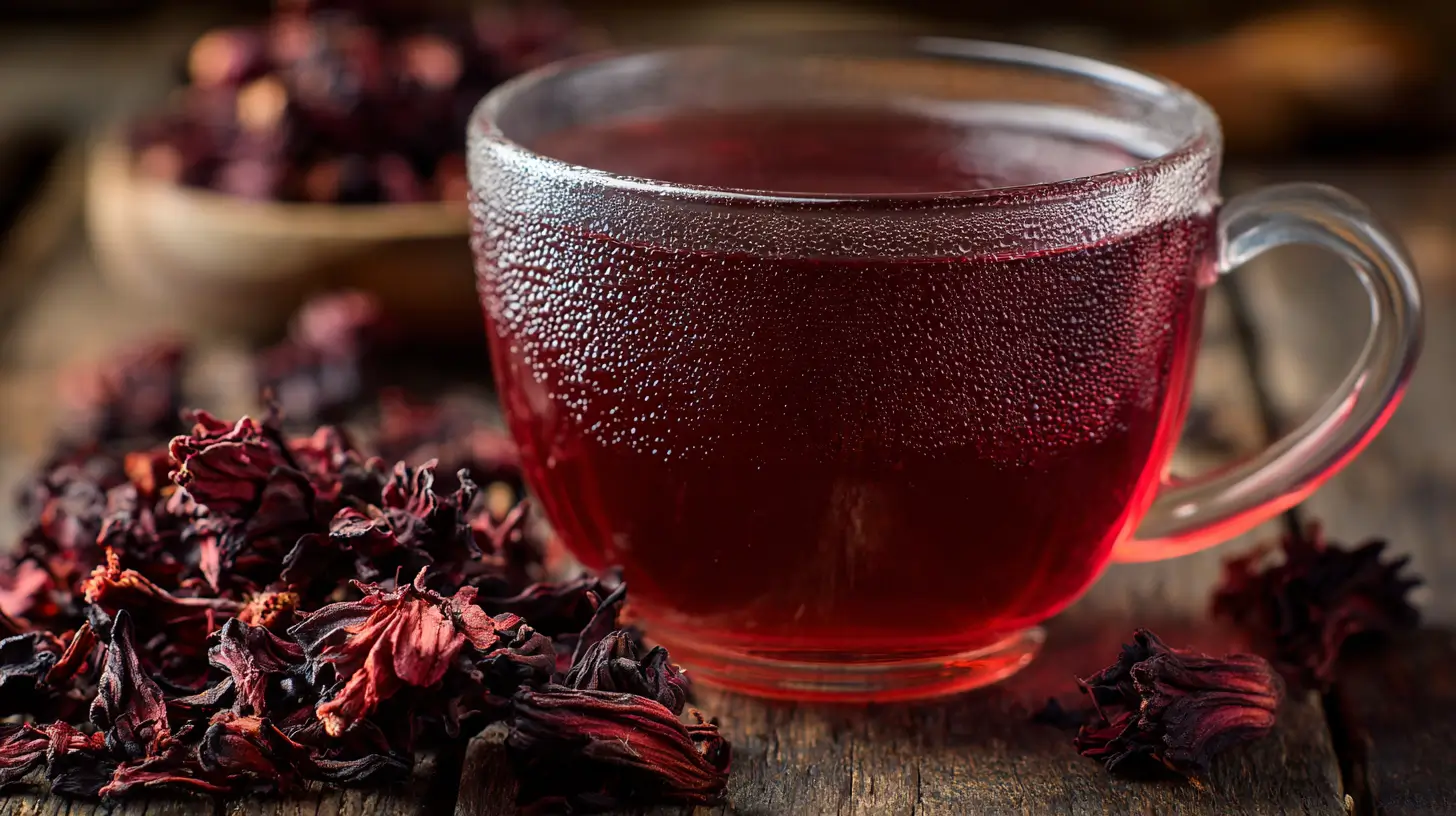
If you enjoy hibiscus tea regularly, you may wonder how much hibiscus tea per day is appropriate. The answer depends on the strength of your tea, your health, and why you’re drinking it.
Quick answer: For most healthy adults, 1–2 cups of hibiscus tea per day is a practical moderate amount. Some people may tolerate up to 3 lightly brewed cups, but more isn’t necessarily better. Stronger hibiscus tea may have a greater effect, particularly on blood pressure, so the number of cups isn’t the only factor that matters.
If you have low blood pressure, take blood pressure medication, are pregnant, or experience dizziness or stomach discomfort after drinking hibiscus tea, it’s best to be more cautious and discuss regular use with a healthcare professional.
In this guide, we’ll look at how much hibiscus tea to drink per day, whether you can drink it every day, what may happen if you drink too much, and how brew strength and serving size affect your daily intake.
How Many Cups of Hibiscus Tea Can You Drink Per Day?
For most healthy adults, 1–2 cups of hibiscus tea per day is a practical moderate amount. Some people may tolerate up to 3 lightly brewed cups, but the ideal amount depends on brew strength, serving size, individual tolerance, and health considerations.
More isn’t necessarily better. Hibiscus contains active plant compounds, and stronger preparations may have more noticeable effects, particularly on blood pressure.
Is 1–2 Cups of Hibiscus Tea a Day Enough?
For general use, 1–2 cups per day is usually plenty. If you’re new to hibiscus tea, starting with one cup allows you to see how your body responds before increasing your intake.
A second cup can be added later in the day if you tolerate it well. Some people may comfortably drink a third cup when the tea is lightly brewed, but there is usually no need to consume large quantities simply to get more potential benefits.
If you want to learn more about what hibiscus tea may offer, see our guide to hibiscus tea benefits.
Strong Brew vs. Light Infusion: Does It Change the Amount?

Yes. Brew strength matters as much as the number of cups.
A mild hibiscus tea made with a smaller amount of dried hibiscus and a shorter steeping time will be less concentrated than a strong infusion made with more hibiscus or steeped for much longer.
This means that three lightly brewed cups are not necessarily equivalent to three highly concentrated cups.
If you drink hibiscus tea regularly, keep the preparation reasonably consistent. This makes it easier to understand how much you’re actually consuming and how your body responds.
For most people, the simplest starting point is 1–2 moderately brewed cups per day, then adjusting the amount or strength based on tolerance.
Is It Safe to Drink Hibiscus Tea Every Day?
For many healthy adults, hibiscus tea can be enjoyed regularly in moderate amounts. Because it is naturally caffeine-free, it can fit easily into a daily routine without adding caffeine to your diet.
However, drinking hibiscus tea every day doesn’t mean you need large amounts. One or two moderately brewed cups per day is a practical approach for many people, while individual tolerance can vary.
Daily Hibiscus Tea Consumption for Healthy Adults
If you tolerate hibiscus tea well, you can make it part of your regular beverage routine. Start with one cup per day, particularly if you’re new to hibiscus, and increase only if you feel comfortable.
Pay attention to how you respond. If you experience dizziness, stomach discomfort, or other unwanted effects, reduce the amount or strength of your tea.
Daily intake may also require more caution if you have low blood pressure, take certain medications, or have another health condition that could be affected by hibiscus.
What Happens If You Drink Too Much Hibiscus Tea?
Drinking more hibiscus tea isn’t necessarily better. Large amounts, especially when strongly brewed, may increase the chance of side effects in some people.
There isn’t one exact number of cups that becomes “too much” for everyone. Your tolerance, brew strength, medications, and blood pressure all matter. If you regularly drink several strong cups per day, pay attention to how your body responds.
Can Hibiscus Tea Lower Blood Pressure Too Much?
Hibiscus has been studied for its potential effect on blood pressure. This is one reason people with low blood pressure or those taking blood pressure medication should be particularly cautious about consuming large amounts regularly.
If you experience dizziness, lightheadedness, weakness, or unusual fatigue after drinking hibiscus tea, reduce your intake and consider discussing regular use with a healthcare professional.
Can Too Much Hibiscus Tea Upset Your Stomach?
Yes, some people may experience digestive discomfort from hibiscus tea, particularly when the tea is strong or consumed in large amounts.
Possible symptoms can include stomach discomfort, nausea, or increased acid-related symptoms. If this happens, try a weaker brew, reduce the amount you drink, or have it with food rather than on an empty stomach.
If acidity is a concern for you, read our guide on whether hibiscus tea is acidic or alkaline.
Can Hibiscus Tea Make You Urinate More?
Some people may notice more frequent urination after drinking hibiscus tea, particularly when consuming several cups or large servings.
This doesn’t mean you need to avoid hibiscus tea, but drinking several cups close together may be uncomfortable. Space your servings throughout the day and continue drinking regular water according to your needs.
The practical takeaway is simple: if increasing your hibiscus tea intake causes unwanted symptoms, more is not better. Reduce the amount or brew strength and see how you respond.
How Much Hibiscus Tea for Different Goals?
How much hibiscus tea you drink may also depend on why you’re drinking it. However, increasing the amount doesn’t necessarily increase the benefits.
For Blood Pressure Support
Hibiscus tea has been studied for its potential effects on blood pressure, but it shouldn’t be treated as a replacement for prescribed blood pressure medication.
If you drink hibiscus tea regularly for this reason, avoid assuming that more cups will produce better results. The amount and preparation used in research can vary, and individual responses differ.
People with low blood pressure or those taking blood pressure medication should discuss regular hibiscus use with a healthcare professional.
For more information, see our guide to hibiscus tea and high blood pressure.
For Hydration
If you enjoy hibiscus tea mainly as a refreshing beverage, 1–2 lightly brewed cups can easily fit into your daily fluid intake.
Some people may enjoy a third light cup, particularly when drinking iced or diluted hibiscus tea. Keep in mind that large mugs may contain considerably more than a standard cup.
Hibiscus tea can contribute to your daily fluid intake, but it doesn’t need to replace plain water.
For General Wellness
For general use, 1–2 moderately brewed cups per day is a simple starting point.
You don’t need to drink large quantities to include hibiscus tea in a balanced routine. Consistency, reasonable brew strength, and your individual tolerance matter more than trying to reach a high number of cups.
If you’re new to hibiscus tea, start with one cup and increase only if you tolerate it well.
Who Should Limit or Avoid Hibiscus Tea?
Although hibiscus tea is commonly consumed as a beverage, the general recommendation of 1–2 cups per day may not be appropriate for everyone.
Certain people should be more cautious with regular or concentrated hibiscus tea.
People With Low Blood Pressure
Hibiscus may lower blood pressure in some people. If your blood pressure is already low, drinking hibiscus tea regularly could increase the chance of symptoms such as dizziness or lightheadedness.
If you notice these symptoms, stop or reduce your intake and speak with a healthcare professional.
Pregnancy
Pregnancy requires extra caution with herbal products, including hibiscus.
Because evidence about hibiscus consumption during pregnancy is limited, it’s better to discuss it with a healthcare professional rather than relying on the general daily amounts recommended for healthy adults.
Sensitive Stomach or Acid Reflux
Hibiscus tea is naturally tart and acidic, which may cause discomfort for some people with a sensitive stomach or acid reflux.
If you notice irritation, try a weaker infusion, drink a smaller amount, or have it with food rather than on an empty stomach.
For a closer look at this issue, see our guide to hibiscus tea and acid reflux.
Medication Interactions
If you take prescription medication, particularly medication that affects blood pressure, don’t assume that the general daily amount in this guide automatically applies to you.
Hibiscus may affect blood pressure and could potentially interact with certain medications. Ask a healthcare professional or pharmacist about regular hibiscus tea consumption if you take medication or manage a medical condition.
Does Brew Strength Change How Much Hibiscus Tea You Should Drink?
Yes. When deciding how much hibiscus tea to drink per day, brew strength and serving size matter alongside the number of cups.
Two people may both drink two cups per day but consume very different amounts of hibiscus depending on how the tea is prepared.
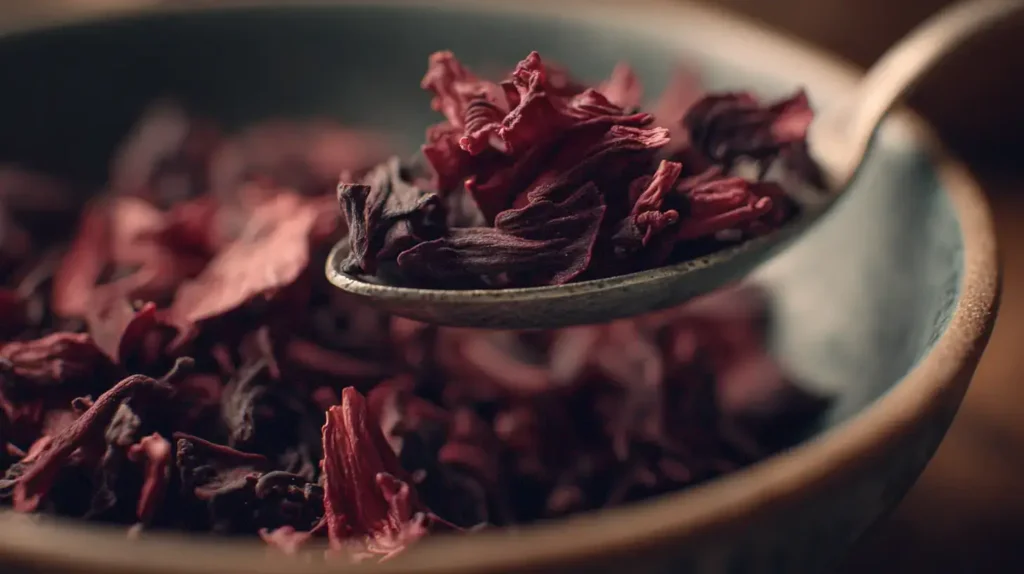
Dried Hibiscus Flowers vs. Tea Bags
Tea bags contain a pre-measured amount of hibiscus, which can make each cup relatively consistent.
With loose dried hibiscus flowers, the strength can vary more because you control how much hibiscus goes into each serving. Adding more flowers or steeping them longer generally produces a stronger infusion.
If you drink hibiscus tea every day, using a consistent amount can help you better understand your intake and tolerance.
Steeping Time and Serving Size
A longer steep generally produces a stronger, more concentrated tea. If you prefer a strong infusion, you may not need as many cups as someone drinking a lighter preparation.
Serving size matters too. A standard cup is about 8 fluid ounces, while many mugs hold 12–16 ounces. Two large mugs can therefore represent considerably more tea than two standard cups.
The simplest approach is to consider three things together: number of cups, brew strength, and serving size rather than focusing only on the number of drinks.
Practical Daily Hibiscus Tea Intake Guide
If you’re not sure how much hibiscus tea to drink per day, start conservatively and adjust according to your tolerance, brew strength, and health situation.
For many healthy adults, 1–2 moderately brewed cups per day is a simple starting point. If you’re new to hibiscus tea, begin with one cup and see how you respond before increasing the amount.
Quick Daily Intake Guide
| Goal | Practical Amount | Brew Strength |
|---|---|---|
| General wellness | 1–2 cups | Moderate |
| Hydration | 1–2 cups | Light to moderate |
| Occasional refreshing drink | 1–3 cups | Light |
| New to hibiscus tea | Start with 1 cup | Light to moderate |
These amounts are general guidance for healthy adults, not medical dosing recommendations.
If you experience dizziness, stomach discomfort, or other unwanted effects, reduce the amount or strength. People with low blood pressure, those taking medications, and pregnant individuals should seek individualized guidance rather than relying on this table.
Space Your Cups Throughout the Day
If you drink more than one cup, you don’t need to consume them all at once. Spreading them throughout the day can make it easier to monitor how your body responds.
For example, you might have one cup earlier in the day and another later rather than drinking several servings close together.
If you want specific guidance about morning, afternoon, or evening use, see our guide to the best time to drink hibiscus tea.
Frequently Asked Questions
How much hibiscus tea can I drink a day?
For many healthy adults, 1–2 moderately brewed cups per day is a practical amount. Some people may tolerate up to 3 lightly brewed cups, but brew strength, serving size, health conditions, and individual tolerance all matter.
Can I drink hibiscus tea every day?
Many healthy adults can include hibiscus tea in their regular routine in moderate amounts. If you’re new to it, start with one cup and pay attention to how you feel before increasing your intake.
How many cups of hibiscus tea is too much?
There isn’t one exact number that is too much for everyone. Drinking several strong or concentrated cups may increase the chance of unwanted effects such as dizziness or stomach discomfort. If you notice symptoms, reduce the amount or strength.
Is 2 cups of hibiscus tea a day too much?
For many healthy adults, two moderately brewed cups per day can fit within a reasonable daily intake. However, people with low blood pressure, those taking certain medications, pregnant individuals, or anyone who experiences unwanted effects should seek individualized guidance.
Can drinking too much hibiscus tea lower blood pressure?
Hibiscus has been studied for its potential blood-pressure-lowering effects. People who already have low blood pressure or take blood pressure medication should be particularly cautious with regular or concentrated hibiscus tea and discuss its use with a healthcare professional.
How much hibiscus tea should a beginner drink?
If you’re new to hibiscus tea, start with one lightly or moderately brewed cup per day. This allows you to see how your body responds before deciding whether to add another cup.
Does a stronger hibiscus tea count as more?
Brew strength matters. A tea made with more dried hibiscus or steeped for longer will generally be more concentrated than a light infusion. That’s why daily intake should be considered in terms of cups, serving size, and brew strength, not cup count alone.
Conclusion: How Much Hibiscus Tea Per Day?
For many healthy adults, 1–2 moderately brewed cups of hibiscus tea per day is a practical amount. Some people may tolerate up to 3 lightly brewed cups, but more isn’t necessarily better.
Brew strength and serving size matter just as much as the number of cups. If you’re new to hibiscus tea, start with one cup and adjust gradually based on how you feel.
People with low blood pressure, those taking certain medications, pregnant individuals, or anyone who experiences dizziness or digestive discomfort should be more cautious and seek individualized guidance when appropriate.
Ultimately, the right amount of hibiscus tea is the amount that fits comfortably into your routine without causing unwanted effects.