

Is hibiscus tea good for acid reflux? Generally, no. Hibiscus tea is naturally acidic, so it may trigger or worsen acid reflux, heartburn, or GERD symptoms in some people.
Quick answer: If you have acid reflux, hibiscus tea may be more likely to irritate symptoms because of its natural acidity. People with mild, occasional reflux may still tolerate a small amount, while those with frequent GERD or active heartburn may prefer to avoid it.
Hibiscus tea does not cause acid reflux in everyone, and individual triggers vary. How strongly you brew it, how much you drink, and when you drink it may also affect how well you tolerate it.
Below, we’ll look at whether hibiscus tea can cause acid reflux or heartburn, what matters for people with GERD, and what to do if hibiscus tea triggers your symptoms.
Is Hibiscus Tea Good or Bad for Acid Reflux?
Hibiscus tea is not usually the best choice for people with acid reflux because it is naturally acidic. However, that does not mean it will trigger symptoms in everyone.
Some people with mild or occasional reflux may tolerate hibiscus tea without discomfort, while others may notice heartburn or irritation even after a small amount. Your individual triggers, the strength of the tea, and when you drink it all matter.
Can Hibiscus Tea Cause Acid Reflux?
Hibiscus tea does not necessarily cause acid reflux, but it may trigger or worsen symptoms in people who are already prone to reflux.
Acidic drinks can irritate a sensitive esophagus, especially during an active reflux episode. If you notice burning, regurgitation, or a sour taste after drinking hibiscus tea, it may be one of your personal triggers.
Can Hibiscus Tea Cause Heartburn?
Yes, hibiscus tea may trigger heartburn in some people, particularly those who are sensitive to acidic foods and drinks.
If hibiscus tea repeatedly causes a burning sensation in your chest or throat, reduce the amount, try a weaker brew, or stop drinking it and see whether your symptoms improve.
Is Hibiscus Tea Good for GERD?
Hibiscus tea is not considered a treatment for GERD. Because it is acidic, some people with GERD may find that it aggravates their symptoms.
People with frequent GERD symptoms or an irritated esophagus may be better off avoiding hibiscus tea during flare-ups. If symptoms are persistent, severe, or occur regularly, discuss them with a healthcare professional.
Why Can Hibiscus Tea Trigger Acid Reflux?
The main reason hibiscus tea may trigger reflux symptoms is its natural acidity. Acidic drinks do not necessarily cause GERD, but they can irritate an already sensitive esophagus and make symptoms such as heartburn or a sour taste more noticeable.
Individual tolerance varies, which is why one person may drink hibiscus tea without problems while another experiences discomfort.
Is Hibiscus Tea Acidic?
Yes. Hibiscus tea is naturally acidic because hibiscus contains organic acids that give the drink its characteristic tart flavor.
The final acidity can vary depending on factors such as brew strength, steeping time, and preparation method. A stronger, more concentrated cup may be harder for someone with reflux to tolerate than a lighter infusion.
For a detailed explanation, see our guide to whether hibiscus tea is acidic or alkaline.
Who Is More Likely to Experience Symptoms?
Hibiscus tea may be more likely to aggravate symptoms if you:
- Have frequent acid reflux or GERD
- Are already experiencing heartburn or a reflux flare-up
- Have an irritated or inflamed esophagus
- Drink a strong or concentrated hibiscus tea
- Drink a large amount at once
- Notice that acidic foods and drinks are personal reflux triggers
If you have mild or occasional reflux, your tolerance may be different. Start with a small, weaker serving and pay attention to how your body responds.
For general serving guidance, see how much hibiscus tea per day.
How to Drink Hibiscus Tea If You Have Acid Reflux
If hibiscus tea does not consistently trigger your reflux, you may still be able to enjoy it occasionally. The key is to start with a small amount and pay attention to your symptoms rather than assuming that one preparation method will work for everyone.
If hibiscus tea repeatedly causes heartburn, regurgitation, or throat irritation, avoiding it may be the better option.

Drink It With or After Food
If hibiscus tea bothers you on an empty stomach, try drinking it with or after a meal instead.
Individual reflux triggers vary, so there is no guarantee that drinking hibiscus tea with food will prevent symptoms. However, changing the timing can help you determine whether it is better tolerated as part of a meal rather than on its own.
Try a Weaker Brew
A strong, concentrated hibiscus tea may be harder to tolerate if acidic drinks trigger your symptoms.
Try using less hibiscus and more water, or shorten the steeping time to make a milder infusion. Start with a small serving rather than a large glass and see how your body responds.
Avoid It Close to Bedtime
If you experience nighttime reflux, avoid drinking hibiscus tea close to bedtime.
Lying down soon after eating or drinking can make reflux symptoms more noticeable for some people. Try having your tea earlier in the day and avoid it if you notice that evening consumption consistently triggers symptoms.
For evening alternatives, see our guide to the best drinks for better sleep.
Hot vs. Cold Hibiscus Tea for Acid Reflux
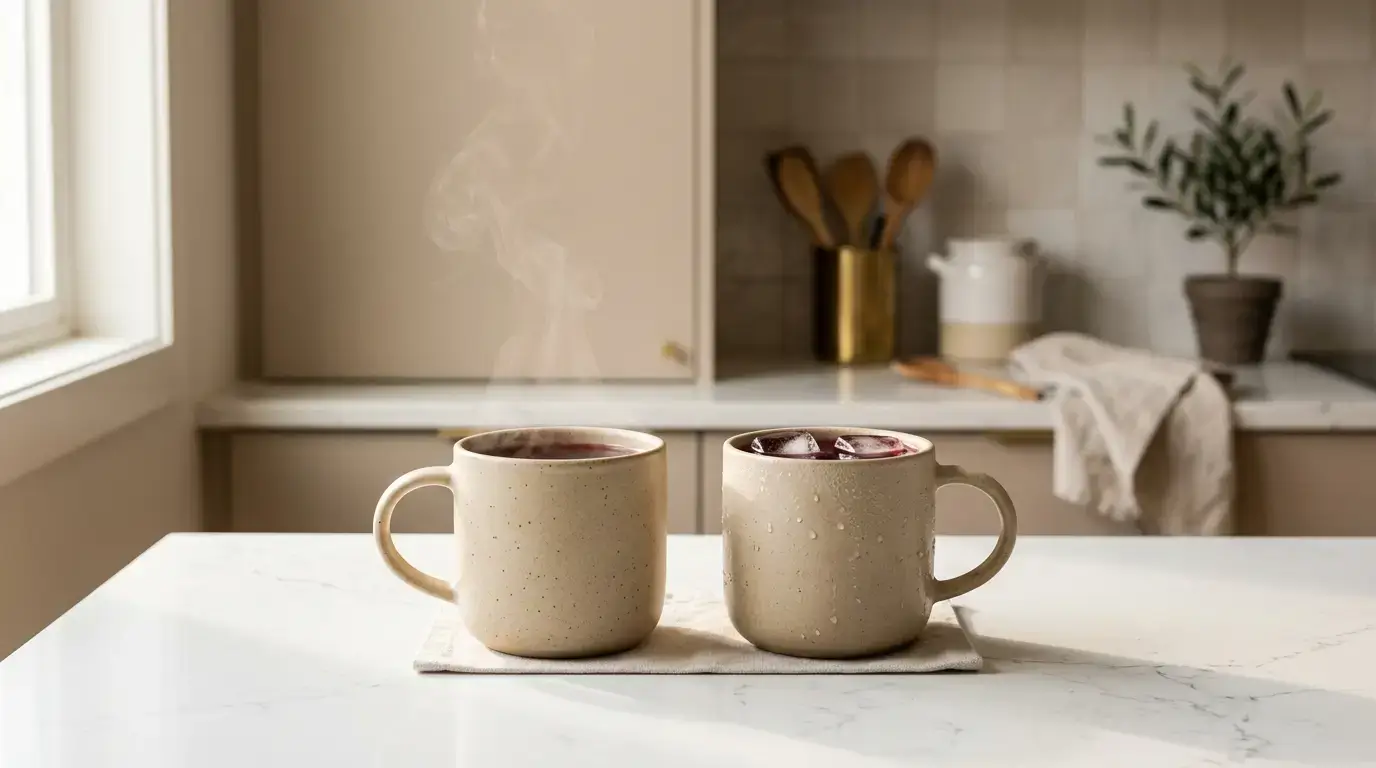
If hibiscus tea triggers your acid reflux, switching from hot to cold tea may not be enough to prevent symptoms. Hibiscus remains naturally acidic whether it is served hot, chilled, or prepared as a cold brew.
Some people may find a milder or more diluted cold hibiscus tea easier to tolerate, but individual responses vary. The concentration of the tea, serving size, and your personal reflux triggers may matter more than temperature alone.
If you want to compare the two preparation methods more generally, see our guide to hibiscus tea hot or cold.
Practical tip: If you want to test hibiscus tea despite having occasional reflux, start with a small, weak serving and monitor your symptoms. If either hot or cold hibiscus consistently causes heartburn, it is better to avoid it.
How Much Hibiscus Tea Can You Drink With Acid Reflux?
There is no established amount of hibiscus tea that is considered safe for everyone with acid reflux or GERD. Tolerance varies from person to person, and even a small amount may trigger heartburn in someone who is sensitive to acidic drinks.
If you have occasional reflux and want to drink hibiscus tea, start with a small, weak serving and monitor how you feel. Avoid increasing the amount if you notice burning, regurgitation, throat irritation, or other reflux symptoms.
If hibiscus tea consistently triggers symptoms, reducing the amount may not be enough — avoiding it may be the better option.
People with frequent GERD symptoms, active heartburn, or esophageal irritation should discuss persistent symptoms with a healthcare professional rather than relying on a specific “safe” amount of hibiscus tea.
For general intake recommendations for people without reflux-specific concerns, see how much hibiscus tea per day.
Hibiscus Tea and GERD: When Should You Avoid It?
If you have GERD, you do not necessarily need to avoid hibiscus tea permanently. However, it may be best to stop drinking it if you notice that it reliably triggers heartburn, regurgitation, throat irritation, or other reflux symptoms.
Consider avoiding hibiscus tea when:
- You are experiencing an active GERD or heartburn flare-up
- Hibiscus tea repeatedly triggers symptoms after you drink it
- Acidic foods and drinks are known personal triggers
- You have ongoing difficulty swallowing or persistent throat or chest discomfort
- Your healthcare professional has advised you to limit acidic beverages
Hibiscus tea is not a treatment for GERD, even though it contains plant compounds that have been studied for other potential health effects. You can learn more about those separately in our guide to hibiscus tea benefits.
If reflux symptoms occur frequently, become severe, or do not improve, seek medical advice rather than trying to manage them with herbal tea alone.
Better Alternatives to Hibiscus Tea for Acid Reflux
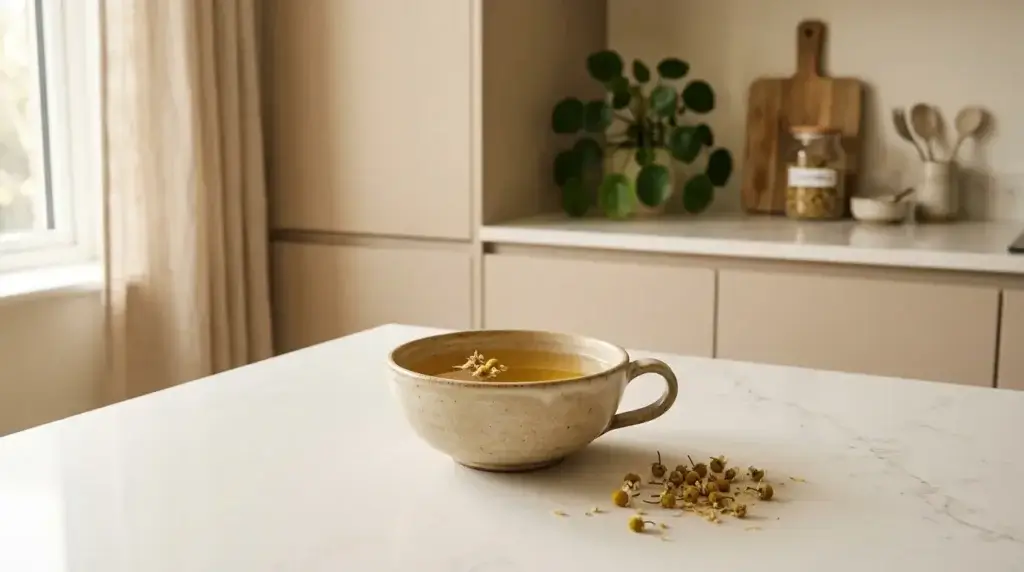
If hibiscus tea consistently triggers heartburn or reflux, you may prefer a milder, caffeine-free herbal drink. However, no herbal tea is guaranteed to be reflux-friendly for everyone, so pay attention to your individual triggers.
Chamomile Tea
Chamomile tea has a mild flavor and is naturally caffeine-free, making it a popular alternative to tart drinks such as hibiscus tea.
If you tolerate chamomile well, it can be an especially convenient choice in the evening. Learn more in our guide to chamomile tea benefits.
Ginger Tea
Ginger tea is another caffeine-free option, but tolerance varies. Some people enjoy it for digestive comfort, while stronger ginger preparations may cause heartburn or stomach irritation in others.
If you want to try it, start with a mild preparation. See our guide to ginger tea benefits and the best time to drink ginger tea.
Other Herbal Teas
You can also experiment with other caffeine-free herbal teas and keep track of which ones you tolerate best.
Because reflux triggers differ from person to person, choose drinks based on your symptoms rather than assuming that a tea is safe simply because it is herbal.
For more options, see our complete herbal teas guide.
Frequently Asked Questions
Is hibiscus tea good for acid reflux?
Hibiscus tea is not a proven remedy for acid reflux. Because it is naturally acidic, it may worsen heartburn or reflux symptoms in some people. Others with mild, occasional reflux may tolerate a small, weak serving without symptoms.
Can hibiscus tea cause acid reflux?
Hibiscus tea does not necessarily cause acid reflux, but it may trigger or worsen symptoms in people who are sensitive to acidic drinks. If you consistently experience reflux after drinking it, hibiscus tea may be one of your personal triggers.
Can hibiscus tea cause heartburn?
Yes, hibiscus tea may trigger heartburn in some people, particularly those who already experience reflux or are sensitive to acidic foods and drinks.
Is hibiscus tea good for GERD?
Hibiscus tea is not a treatment for GERD. Some people with GERD may find that its acidity aggravates their symptoms, while others may tolerate it. If it repeatedly triggers heartburn or regurgitation, it is better to avoid it.
Is hibiscus tea bad for acid reflux?
It can be for some people. Hibiscus tea is naturally acidic, so it may irritate an already sensitive esophagus or aggravate existing reflux symptoms. Individual tolerance varies.
Can I drink hibiscus tea if I have acid reflux?
Possibly, if your reflux is mild and hibiscus tea does not trigger symptoms. Start with a small, weak serving and monitor how you feel. If heartburn, regurgitation, or throat irritation occurs, stop drinking it.
Is hibiscus tea acidic?
Yes. Hibiscus tea is naturally acidic because hibiscus contains organic acids that give it its tart flavor. The exact acidity varies with the concentration, steeping time, and preparation method. Read more about whether hibiscus tea is acidic or alkaline
Is hot or cold hibiscus tea better for acid reflux?
Neither is guaranteed to be better for acid reflux. Hibiscus remains acidic whether served hot or cold. Some people may tolerate a weaker or more diluted preparation better, so your individual response matters more than temperature alone.
Does hibiscus tea help with acid reflux?
There is not enough evidence to recommend hibiscus tea as a treatment for acid reflux or GERD. If you have frequent reflux, focus on identifying your personal triggers and seek medical advice when symptoms are persistent or severe.
Conclusion: Is Hibiscus Tea Good for Acid Reflux?
Hibiscus tea is not generally considered a remedy for acid reflux or GERD. Because it is naturally acidic, it may trigger or worsen heartburn and reflux symptoms in some people, while others may tolerate it without problems.
If you have occasional reflux and want to drink hibiscus tea, start with a small, weak serving and pay attention to how your body responds. Avoid it if it consistently causes heartburn, regurgitation, or throat irritation.
For people with frequent or persistent GERD symptoms, identifying personal triggers and getting appropriate medical advice is more important than trying to find a specific way to prepare hibiscus tea.
For more information about potential adverse effects and precautions, see our guide to hibiscus tea side effects.
1 thought on “Hibiscus Tea Good for Acid Reflux? GERD & Heartburn Guide”