

Protein coffee—often called proffee—combines coffee with a source of protein such as protein powder, a ready-to-drink protein shake, high-protein milk, or collagen peptides.
It has become popular as a convenient way to add protein to a morning routine without preparing a separate shake.
But protein coffee isn’t a magic energy drink, fat burner, or complete breakfast by default. Its nutritional value depends on what you put in it, how much protein you actually need, the caffeine content, and what the rest of your diet looks like.
Below, you’ll learn what protein coffee is, its potential benefits and limitations, which protein options work well in coffee, and four easy recipes to try at home.
What Is Protein Coffee?
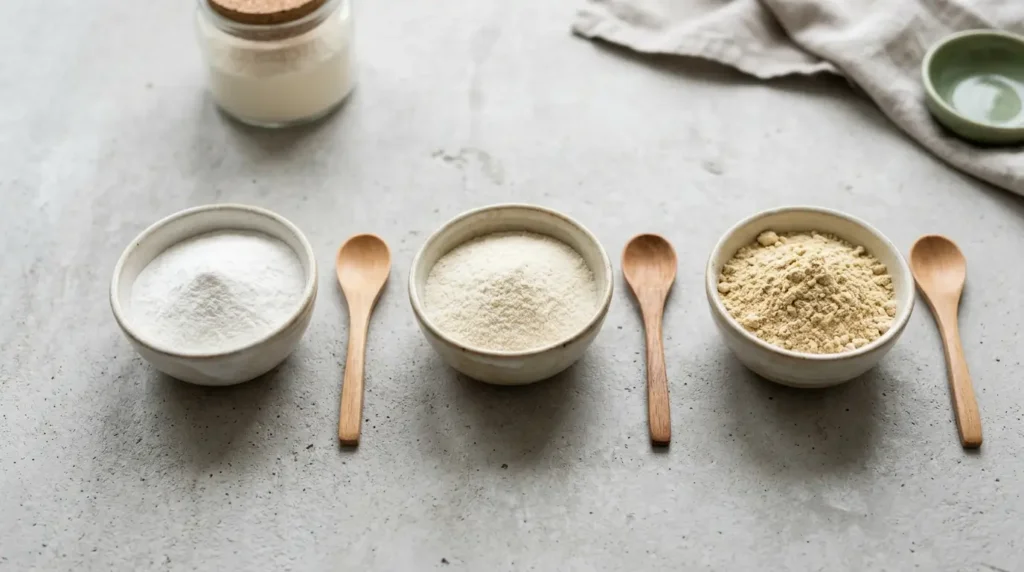
Protein coffee is simply coffee combined with a protein source.
You can make it several ways:
- Add protein powder to coffee.
- Combine cold brew with a prepared protein shake.
- Use higher-protein milk in a latte.
- Add collagen peptides to coffee.
- Buy a ready-to-drink coffee beverage that contains added protein.
The nickname “proffee” comes from combining the words protein and coffee.
There isn’t one official recipe or required amount of protein. The nutritional profile can vary considerably depending on the ingredients.
Is Protein Coffee Actually Good for You?
Protein coffee can be a convenient way to increase protein intake, particularly for someone whose normal morning routine contains little protein.
But the benefits primarily come from the protein and coffee themselves, not from a special interaction created by mixing them together.
Protein is needed for functions including building and maintaining body tissues, while caffeine can temporarily increase alertness.
Whether protein coffee is a useful choice for you depends on your overall diet and individual needs.
It should also be viewed as a beverage—not automatically as a substitute for a balanced breakfast containing a wider range of nutrients.
Potential Benefits of Protein Coffee
1. An Easy Way to Add Protein
Convenience is probably the strongest argument for protein coffee.
If you already drink coffee every morning, adding an appropriate protein source can increase the protein content of something you’re already consuming.
That can be particularly useful when time is limited.
However, more protein isn’t automatically better. Your overall daily protein needs depend on factors such as body size, age, activity level and health.
2. Protein May Help With Satiety
Protein-containing foods and drinks can contribute to fullness.
That means a protein coffee may be more satisfying than plain coffee alone, particularly if it contains a meaningful amount of protein.
But responses vary, and a beverage may not be as satisfying as a complete meal containing protein along with fiber, healthy fats and other nutrients.
Protein coffee shouldn’t therefore be presented as a guaranteed way to stop cravings or prevent snacking.
3. It Can Contribute to Daily Protein Intake
Protein provides amino acids that the body uses to build and maintain tissues, including muscle.
For someone who struggles to consume enough protein through meals, protein coffee can be one convenient source.
For people who already consume enough protein, however, adding protein powder to coffee isn’t necessarily beneficial.
4. It Can Replace Some Sugary Coffee Additions
A homemade protein coffee can sometimes be used instead of heavily sweetened syrups or creamers.
But don’t assume every protein coffee is low in sugar or calories.
Flavored protein powders, bottled shakes and ready-to-drink protein coffees can contain added sugars, sweeteners and other ingredients.
Check the nutrition label if those factors matter to you.
Protein Coffee vs Regular Coffee
Regular black coffee contains very little protein.
Protein coffee adds a protein-containing ingredient, so the nutritional profile changes substantially.
| Regular Coffee | Protein Coffee |
|---|---|
| Very little protein | Can provide protein |
| Contains caffeine unless decaf | Usually contains caffeine unless made with decaf |
| Very few calories when black | Calories depend on protein and other ingredients |
| Primarily a beverage | May be more filling |
| Simple ingredient profile | Varies considerably by recipe |
Neither is automatically “better.”
If you simply enjoy black coffee and already get enough protein from food, there’s no requirement to turn your coffee into a protein drink.
How Much Protein Should You Put in Coffee?
There is no universal amount that everyone should add.
Protein requirements differ according to factors such as age, body size, activity level, pregnancy, health and overall diet.
Rather than aiming for an arbitrary amount because a social-media recipe recommends it, check the serving size and protein content of the product you’re using and consider it as part of your total daily intake.
Some commercial powders provide around 20 to 30 grams per serving, but that doesn’t mean everyone needs a full serving in their coffee.
Which Protein Works Best in Coffee?
Different protein sources behave differently when mixed with coffee.
Whey Protein
Whey is a complete protein containing all essential amino acids.
It can work in both hot and iced protein coffee, although some powders can become lumpy when added directly to very hot liquid.
Mixing the powder with a small amount of cool milk or water first can make preparation easier.
People with milk allergies should avoid whey. Those with lactose intolerance should check the specific product because lactose content varies.
Collagen Peptides
Collagen peptides are popular in coffee because many products dissolve relatively easily.
However, collagen shouldn’t be treated as nutritionally identical to whey, milk, soy or other complete proteins.
Collagen has a different amino-acid profile and is not considered a complete protein.
If you’re using protein coffee specifically to increase overall dietary protein quality, that’s worth considering.
Plant-Based Protein
Plant-based powders can also work.
Common options include:
- Soy protein
- Pea protein
- Rice protein
- Plant-protein blends
Texture and flavor vary substantially between products.
Some are easier to use in iced or blended coffee because blending can reduce grittiness.
High-Protein Milk
You don’t necessarily need protein powder.
Using dairy milk or a higher-protein milk product can add protein while keeping the recipe simple.
Plant-based milks vary widely in protein content, so check the nutrition label rather than assuming they’re nutritionally equivalent.
How to Keep Protein Powder From Clumping in Coffee
This is one of the most common problems when making protein coffee.
Putting a scoop of powder directly into very hot coffee can produce lumps with some products.
Try this method instead:
- Put the protein powder in a separate cup.
- Add a small amount of cool or lukewarm milk or water.
- Stir, shake or froth until smooth.
- Slowly add the coffee while mixing.
A handheld milk frother can make this easier.
Iced coffee is another simple option because many protein powders are easier to incorporate into cold liquids.
Always follow the preparation instructions on the specific protein product you’re using.
4 Easy Protein Coffee Recipes
1. Classic Iced Protein Coffee
This is one of the simplest ways to make protein coffee because you don’t have to worry about adding powder directly to hot coffee.

Ingredients
- 200 ml cold brew or chilled coffee
- 1 serving vanilla protein powder
- 150 ml milk or plant-based milk
- Ice
- Cinnamon, optional
Instructions
- Mix the protein powder with the milk until smooth.
- Fill a glass with ice.
- Pour in the cold coffee.
- Add the protein mixture.
- Stir and serve.
Tip: Check the nutrition label of your protein powder if you want to know the actual protein and calorie content. These vary considerably between brands.
2. Hot Collagen Coffee
Collagen peptides can be convenient for people who prefer hot coffee.

Ingredients
- 240 ml brewed coffee
- 1 serving unflavored collagen peptides
- Milk, optional
- Cinnamon, optional
Instructions
- Prepare your coffee normally.
- Add the collagen according to the product directions.
- Stir or froth until dissolved.
- Add milk or cinnamon if desired.
Remember that collagen is not a complete protein, so consider the rest of your diet when choosing your protein sources.
3. Iced Protein Mocha
Chocolate protein powder pairs naturally with coffee.

Ingredients
- 1–2 shots espresso, cooled
- 1 serving chocolate protein powder
- 200 ml milk or plant-based milk
- 1 teaspoon unsweetened cocoa powder
- Ice
Instructions
- Mix the protein powder with the milk.
- Add the cocoa and mix again.
- Fill a glass with ice.
- Add the cooled espresso.
- Pour in the protein mixture and stir.
For a sweeter drink, choose your sweetener according to your preferences rather than assuming protein powder requires additional sugar.
4. Iced Matcha Protein Latte
Protein drinks don’t have to contain coffee.
This version combines matcha with a protein source.
Ingredients
- 1 teaspoon matcha
- 60 ml warm water
- 1 serving vanilla plant-based or other suitable protein powder
- 200 ml milk or plant-based milk
- Ice
Instructions
- Whisk the matcha into the warm water.
- Mix the protein powder separately with the milk.
- Fill a glass with ice.
- Pour in the protein milk.
- Add the matcha and stir.
If you’re deciding between the two caffeinated drinks, see our matcha vs coffee guide.
Is Protein Coffee a Good Breakfast?
Protein coffee can provide more nutrition than plain coffee, but that doesn’t automatically make it a complete breakfast.
A balanced meal can provide nutrients that a coffee-and-protein-powder combination may lack, including fiber, vitamins, minerals and healthy fats.
For example, protein coffee could accompany foods such as fruit, oats, whole grains, yogurt, eggs, nuts or seeds depending on your preferences and dietary needs.
If protein coffee is occasionally useful on a busy morning, that’s different from assuming it should routinely replace food.
Registered dietitians similarly caution that protein coffee shouldn’t automatically be considered equivalent to a nutritious meal.
Is Protein Coffee Good for Weight Loss?
Protein coffee itself does not burn body fat.
Protein can contribute to satiety, and replacing a high-calorie sugary coffee beverage with a lower-calorie alternative may reduce calorie intake.
But whether that contributes to weight loss depends on your overall diet and energy intake over time, not on adding protein powder to coffee.
Coffee itself doesn’t have magical fat-burning properties either.
So avoid treating “proffee” as a weight-loss hack.
Is Protein Coffee Good Before or After a Workout?
Protein and caffeine have different roles.
Protein contributes amino acids needed for muscle maintenance and repair, while caffeine can affect alertness and exercise performance.
That doesn’t mean they must be consumed together or at one exact time.
Your total dietary pattern and overall protein intake remain important.
People who are sensitive to caffeine should also consider the timing of coffee, particularly later in the day.
Does Caffeine Stop Protein Absorption?
There is no good reason for most healthy people to assume that drinking coffee with protein makes the protein nutritionally useless.
Your body can still digest dietary protein.
The more practical considerations are the amount of caffeine you’re consuming, your total protein intake, the ingredients in the product and how well you tolerate the combination.
Can You Drink Protein Coffee Every Day?
For many people, protein coffee can fit into an overall balanced diet, but “every day” doesn’t automatically mean “appropriate for everyone.”
Consider:
- How much caffeine you’re consuming from all sources.
- Whether you actually need supplemental protein.
- Added sugar and other ingredients.
- How protein coffee fits into your meals.
- How your body responds to caffeine.
People with medical conditions affecting protein, fluid or electrolyte management should follow individualized medical advice rather than relying on a general protein-coffee recommendation.
What Should You Look for in Protein Powder?
The best choice depends on your dietary needs and preferences.
Consider:
Protein per serving: Check the actual amount rather than relying on front-label claims.
Added sugar: Some flavored powders contain considerably more than others.
Ingredients: Compare products if you have allergies, intolerances or digestive sensitivities.
Protein source: Whey, soy, pea, rice and collagen aren’t nutritionally identical.
Serving size: A scoop isn’t standardized across all brands.
Protein powders can be convenient, but whole foods generally provide a broader range of nutrients.
Who Should Be More Careful With Protein Coffee?
Protein coffee isn’t appropriate in exactly the same way for everyone.
Extra care may be appropriate if:
- You have been advised to limit or closely manage protein intake.
- You have a milk or other ingredient allergy.
- Caffeine causes palpitations, anxiety, digestive symptoms or sleep problems.
- You’re pregnant and monitoring caffeine intake.
- You’re taking medications or managing a condition for which your clinician has given specific dietary instructions.
In these situations, personalized advice from an appropriate healthcare professional is more useful than a generic serving recommendation.
Frequently Asked Questions
What is protein coffee?
Protein coffee, or proffee, is coffee combined with a protein source such as protein powder, a protein shake or higher-protein milk.
Is protein coffee healthy?
It can fit into a balanced diet, but its nutritional quality depends on the ingredients, portion size, caffeine content and your overall diet. It shouldn’t automatically be considered a complete meal.
What protein powder is best for coffee?
There isn’t one best protein for everyone. Whey, plant-based proteins and collagen behave differently and have different nutritional characteristics. Choose according to your dietary needs and how you plan to prepare the drink.
Can you put protein powder in hot coffee?
Many protein powders can be used with coffee, but some become lumpy when mixed directly into very hot liquid. Mixing the powder with a small amount of cooler liquid first often improves the texture.
Does protein coffee help with weight loss?
Protein coffee isn’t a fat-burning drink. Protein may contribute to satiety, and replacing a higher-calorie beverage could reduce calorie intake, but weight change depends on the broader diet and lifestyle.
Can protein coffee replace breakfast?
It can be convenient when you’re short on time, but coffee plus protein powder doesn’t necessarily provide the variety of nutrients found in a balanced meal.
The Bottom Line
Protein coffee is a simple idea: combine coffee with a source of protein.
Its biggest advantage is convenience.
It can help increase protein intake and may make a coffee drink more filling, but there’s nothing uniquely therapeutic about combining caffeine and protein.
Choose ingredients according to your needs, pay attention to caffeine and added sugars, and don’t assume that more protein is always better.
If you enjoy protein coffee, one of the four recipes above can be an easy way to make it at home. If you already get enough protein and prefer your coffee plain, there’s no nutritional requirement to change it.
For more coffee-related reading, compare matcha vs coffee or explore our mushroom coffee guide.