
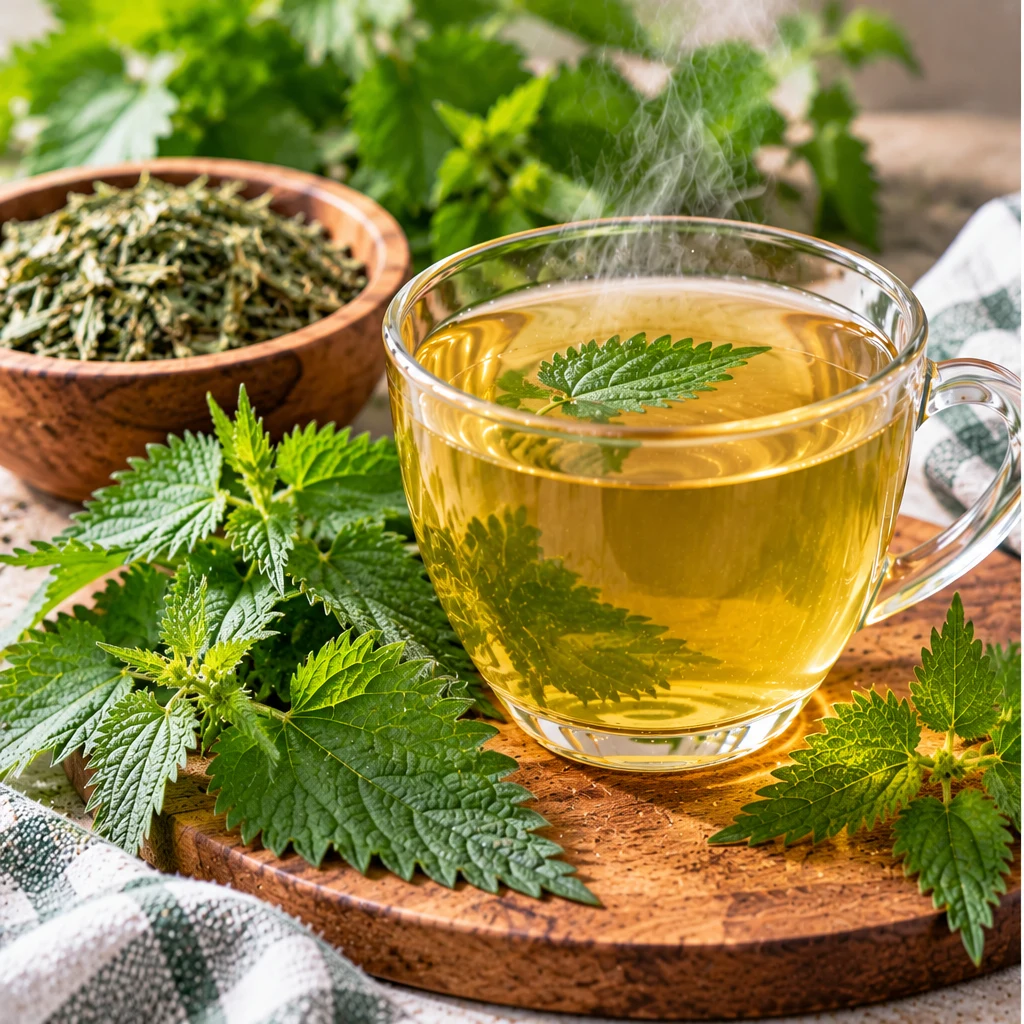
Nettle tea is a caffeine-free herbal infusion made from the leaves of stinging nettle, Urtica dioica. It has a green, earthy flavor and is commonly searched for in relation to allergies, inflammation, iron, urinary health, and general wellness. Research on nettle is interesting, but many studies use extracts or supplements rather than ordinary tea, so the drink should not be presented as a proven treatment for a medical condition.
Search interest around nettle tea is concentrated around “nettle tea benefits,” “nettle leaf tea,” “stinging nettle tea,” “nettle tea side effects,” “nettle tea pregnancy,” and “does nettle tea have caffeine.” This guide keeps those related intents together on one page so the site does not need several competing articles about the same plant.
For home preparation, use food-grade dried nettle leaf or commercially prepared tea bags. Fresh stinging nettles require careful handling because the fine hairs on raw leaves can sting skin.
Easy nettle tea recipe
This simple recipe makes about two cups. Dried nettle leaf is the easiest option because it is widely sold for tea and does not have the same stinging surface as fresh raw leaves.
Ingredients
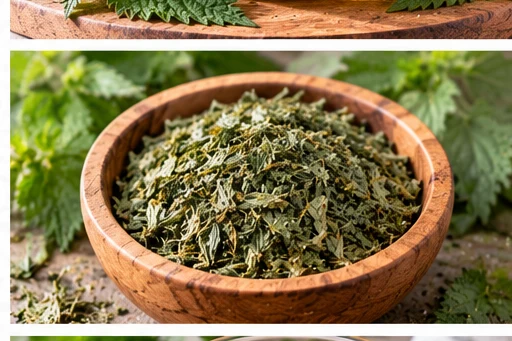
- 2 tablespoons dried food-grade nettle leaf
- 2 cups (480 ml) hot drinking water
- 1 teaspoon honey, optional
- 1 teaspoon fresh lemon juice, optional
Instructions
- Place the dried nettle leaf in a teapot or heatproof jug.
- Pour 2 cups of hot water over the herb.
- Cover and steep for 5 to 10 minutes.
- Strain through a fine mesh strainer.
- Taste the tea plain before adding anything else.
- Add honey or lemon if desired and serve warm.
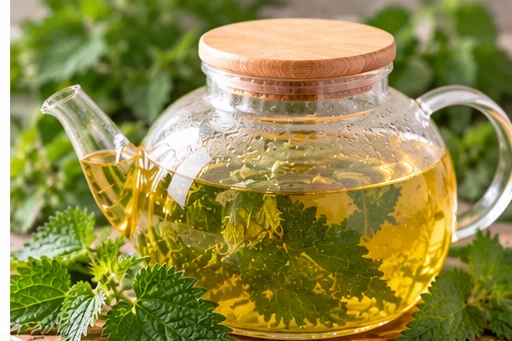
The finished tea should be green-gold with a mild earthy aroma. If it tastes too strong or grassy, shorten the steep or dilute the cup with a little hot water.
What is nettle tea?
Nettle tea is made from the leaves of stinging nettle, usually Urtica dioica. The plant grows widely in Europe, North America, and other temperate regions and is well known for the tiny hairs on fresh leaves and stems that can cause a temporary burning or stinging sensation on contact.
Once nettle leaves are dried, cooked, or infused, those stinging hairs are no longer the same handling concern. That is why dried nettle leaf is the preferred option for a simple home tea recipe.
Nettle has a long history of food and herbal use. Young cooked nettle leaves have also been eaten as a leafy green in some traditional cuisines.
Nettle tea benefits: what does the research support?
Nettle contains polyphenols, flavonoids, carotenoids, vitamins, minerals, and other plant compounds. Researchers have investigated nettle extracts for effects related to inflammation, blood sugar, blood pressure, urinary symptoms, and allergies.
The key limitation is that many studies use concentrated nettle extracts or capsules rather than ordinary brewed tea. That means results from those studies cannot automatically be applied to a cup made with two tablespoons of dried leaves.
The most accurate description is that nettle is a nutrient-containing plant with a long traditional history and some promising research, but nettle tea itself is not a proven treatment for allergies, arthritis, diabetes, high blood pressure, urinary problems, or anemia.
Stinging nettle tea benefits
“Stinging nettle tea” and “nettle leaf tea” generally refer to the same type of infusion when the ingredient is Urtica dioica leaf. The word “stinging” describes the fresh plant, not the taste of the brewed tea.
Potentially useful qualities of the drink include being naturally caffeine-free, low in calories when unsweetened, and easy to prepare without added sugar. These are practical beverage benefits rather than therapeutic claims.
If you like mild herbal infusions, nettle can fit into the same caffeine-free rotation as our oatstraw tea, chamomile tea, and dandelion herbal tea.
Nettle tea for allergies
Nettle is often promoted for seasonal allergies because laboratory research suggests certain nettle compounds may influence inflammatory pathways and histamine-related processes. However, human evidence is limited and mixed.
A small clinical trial using freeze-dried nettle for allergic rhinitis reported some symptom improvement, but the result does not establish that nettle tea works the same way or replaces antihistamine treatment.
If seasonal allergies are mild, a warm herbal drink may feel soothing. If you have asthma, severe allergic symptoms, facial swelling, wheezing, or difficulty breathing, seek appropriate medical care rather than relying on tea.
Nettle tea and inflammation
Nettle extracts have been studied for anti-inflammatory activity in laboratory and animal models. That helps explain why nettle is often discussed in relation to joint discomfort and inflammatory conditions.
Still, there is not enough evidence to recommend nettle tea as a treatment for arthritis, autoimmune disease, or chronic inflammation. Herbal teas can be part of a normal diet, but they should not replace evidence-based care.
Nettle tea and iron
Nettle leaves contain iron along with other minerals, which is why nettle tea is sometimes promoted for anemia. The problem is that the amount of iron extracted into a normal cup of tea is not standardized and may be much lower than people assume.
For iron-deficiency anemia, the important steps are confirming the diagnosis, finding the cause, and using an appropriate iron strategy. Nettle tea should not replace iron-rich foods, prescribed supplements, or medical evaluation when anemia is suspected.
Symptoms such as unusual fatigue, shortness of breath, paleness, dizziness, or a racing heartbeat deserve proper assessment rather than self-treatment with herbal tea.
Is nettle tea a diuretic?
Nettle has traditionally been described as mildly diuretic, meaning it may increase urine output. That traditional use is one reason nettle is often linked to “detox,” kidney, and urinary claims.
More urination is not the same as detoxification or fat loss. Your kidneys already regulate fluid and waste. Increasing urine output can also affect hydration and electrolyte balance, especially if combined with prescription diuretics.
If you take a water pill or have kidney, heart, or fluid-balance issues, ask a clinician or pharmacist before using nettle regularly.
Nettle tea and urinary health
Nettle root extracts have been studied for urinary symptoms related to benign prostate enlargement. That is different from nettle leaf tea, which is the beverage on this page.
Do not assume that nettle leaf tea treats urinary tract infections, kidney stones, prostate disease, or urinary retention. Painful urination, fever, blood in urine, severe flank pain, or inability to urinate requires medical attention.
Nettle tea and blood sugar
Some clinical and preclinical studies have investigated nettle preparations for blood-sugar effects. Results suggest the plant may influence glucose metabolism, but formulations and doses vary widely.
If you take insulin or diabetes medication, regular or concentrated nettle products could complicate glucose management. A normal cup of tea is not the same as a supplement, but caution is still sensible if you plan to drink it often.
Nettle tea and blood pressure
Nettle has also been studied for possible blood-pressure effects. Most evidence is not strong enough to use nettle tea as a hypertension treatment.
If you already take blood-pressure medication, especially if you are prone to dizziness or low blood pressure, discuss regular herbal use with a clinician or pharmacist.
Does nettle tea have caffeine?
Plain nettle tea is naturally caffeine-free because it is made from nettle leaves rather than true tea leaves, coffee, cacao, or yerba mate.
Commercial blends can be different. Read the ingredient list if you specifically want a caffeine-free drink.
What does nettle tea taste like?
Nettle tea has a mild green, earthy, grassy flavor. Some people compare it to spinach or other leafy greens, though the brewed tea is much lighter than cooked vegetables.
Lemon can make the flavor brighter. Honey softens the earthy notes. If the tea tastes too strong, use less nettle or shorten the steep next time.
Nettle tea side effects
Nettle tea is generally well tolerated in food-like amounts, but side effects are possible. These may include digestive upset, nausea, diarrhea, sweating, skin reaction, or changes in urination.
Fresh raw nettle can sting the skin. Wear gloves if harvesting it yourself, and make sure the plant is correctly identified and free from contamination.
Stop using nettle and seek medical help for severe allergic symptoms such as throat swelling, difficulty breathing, faintness, or widespread hives.
Nettle tea medication interactions
Nettle may interact with medications that affect blood pressure, blood sugar, fluid balance, or blood clotting. It may also interact with sedatives or other herbal products depending on the formulation.
Use extra caution if you take diuretics, diabetes medication, blood-pressure medication, anticoagulants, lithium, or medicines with a narrow therapeutic range. A pharmacist can help assess whether regular nettle use is appropriate.
Nettle tea during pregnancy
Pregnancy is one of the most important caution areas for nettle. Herbal references differ in how they discuss nettle leaf, and high-quality safety data for regular medicinal use are limited.
Because of that uncertainty, avoid assuming nettle tea is automatically safe in pregnancy. Ask your prenatal care professional before using it regularly, especially in concentrated amounts or as part of a multi-herb pregnancy blend.
Nettle tea while breastfeeding
Direct safety data during breastfeeding are also limited. If you plan to drink nettle frequently while breastfeeding, ask a healthcare professional, especially if you or your baby have allergies or you take medication.
Fresh vs dried nettle for tea
Dried nettle is the simplest choice for home tea because it is easy to measure and does not require handling stinging fresh leaves.
If you use fresh nettle, wear gloves and use only correctly identified young leaves from a clean area away from roads, pesticides, pet waste, or industrial contamination. Cooking or steeping neutralizes the sting.
For most readers, commercially packaged dried nettle leaf is the safer and easier option.
How to make iced nettle tea
Brew and strain the tea as usual, then cool it promptly and refrigerate. Serve over ice with optional lemon or mint.
If you want a more colorful caffeine-free iced drink, compare it with our butterfly pea flower tea or omija tea.
Is nettle tea good for weight loss?
Nettle tea is not a proven fat-loss treatment. Unsweetened nettle tea is low in calories, so it can replace a sugary drink, but that is different from causing weight loss by itself.
Any short-term change on the scale from increased urination would reflect fluid change rather than body-fat loss.
How much nettle tea should you drink?
There is no universally established evidence-based daily dose for nettle tea. For ordinary beverage use, start with one small cup and see how you tolerate it.
If you plan to drink nettle several times a day or use concentrated extracts, discuss it with a clinician or pharmacist, especially if you take medication or have kidney, blood-pressure, or blood-sugar concerns.
Best time to drink nettle tea
There is no medically required time. Because nettle tea is caffeine-free, it can be used during the day or evening.
If it increases urination for you, avoid drinking a large cup right before bed.
How to buy nettle tea
Look for dried Urtica dioica leaf sold specifically for food or tea use. The package should identify the plant and ideally include brewing instructions.
Avoid loose material with no botanical name, no food-use labeling, unusual odor, or visible moisture. Reputable tea and herb suppliers should provide clear product information.
How to store dried nettle and brewed tea
Keep dried nettle in a tightly closed container away from moisture, heat, and direct light. Discard it if it becomes damp, moldy, or develops an unusual smell.
Store brewed tea covered in the refrigerator and make modest batches. Add fresh lemon or herbs only when serving.
Nettle tea vs oatstraw tea
Both are caffeine-free herbal infusions, but they come from different plants and have different traditional uses. Nettle is green, earthy, and often associated with allergy, urinary, and mineral claims. Oatstraw is milder and more often marketed for relaxation and general nourishment.
Our oatstraw tea guide explains the differences between ordinary oatstraw tea and concentrated oat extracts.
Common nettle tea mistakes
Handling fresh nettle with bare hands
Raw fresh nettle can sting. Wear gloves when harvesting or preparing it.
Assuming nettle tea treats anemia
Nettle contains iron, but tea is not a standardized iron treatment. Confirm iron deficiency and treat the cause appropriately.
Using nettle tea as an allergy medicine
Evidence for allergy relief is limited. Do not replace needed allergy treatment with nettle tea.
Ignoring medication interactions
Nettle may affect blood pressure, blood sugar, fluid balance, or clotting. Regular use deserves extra caution when prescription medicines are involved.
FAQS
What are nettle tea benefits?
Nettle contains plant compounds and nutrients that have been studied for inflammation, allergies, blood sugar, blood pressure, and urinary health. Most evidence involves extracts rather than ordinary tea, so a cup of nettle tea should not be treated as a proven medical therapy.
How do you make nettle tea?
Steep about 2 tablespoons of dried food-grade nettle leaf in 2 cups of hot water for 5 to 10 minutes, then strain. Honey or lemon are optional.
Does nettle tea have caffeine?
No. Plain nettle tea is naturally caffeine-free. Commercial blends may contain caffeinated ingredients, so check the label.
Can nettle tea help with allergies?
Nettle has limited research related to seasonal allergy symptoms, but evidence is not strong enough to use nettle tea as a replacement for proven allergy treatment.
What are nettle tea side effects?
Possible side effects include digestive upset, changes in urination, allergy, or medication interactions. Fresh nettle can also sting the skin.
Is nettle tea safe during pregnancy?
High-quality safety data for regular medicinal use during pregnancy are limited. Ask your prenatal care professional before using nettle tea regularly or in concentrated amounts.