
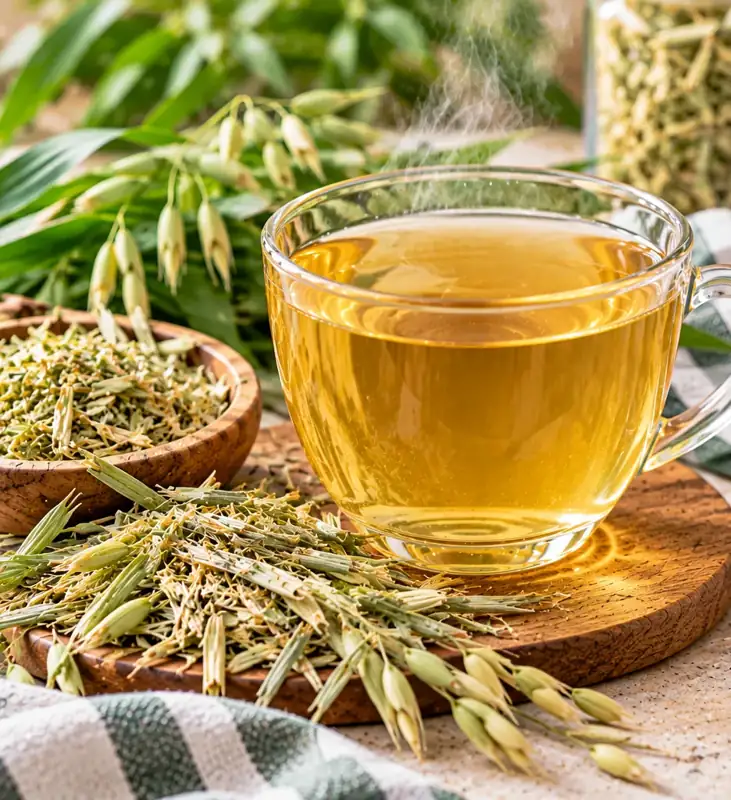
Oatstraw tea is a mild, caffeine-free herbal infusion made from the dried green stems and leaves of the oat plant, Avena sativa. It has a soft, grassy flavor and is commonly used as a relaxing evening drink. Although oatstraw is promoted for stress, sleep, minerals, and nervous-system support, human evidence for the tea itself is limited, so it is best treated as a beverage rather than a proven treatment.
Search interest around oatstraw tea is driven mainly by “oatstraw tea benefits,” “oatstraw benefits,” “oat straw infusion,” and questions about pregnancy, sleep, caffeine, and side effects. This guide keeps those closely related intents together on one page to avoid splitting the topic into several competing articles.
Oatstraw is not the same thing as rolled oats or oatmeal. The tea is made from the aerial parts of the oat plant, usually harvested while the plant is still green. It is also different from concentrated green oat extracts used in some research studies.
Easy oatstraw tea recipe
This simple recipe makes two cups. Use dried oat straw sold specifically for herbal tea or culinary use. If your package gives different brewing directions, follow those first.
Ingredients
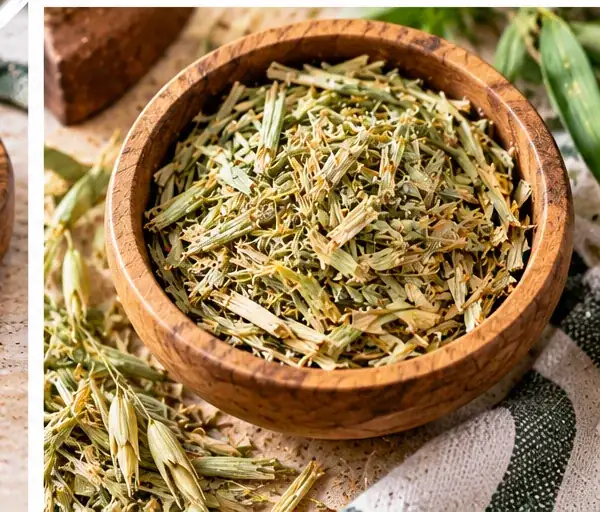
- 2 tablespoons dried food-grade oat straw
- 2 cups (480 ml) hot drinking water
- 1 teaspoon honey, optional
- 1 thin lemon slice, optional
Instructions
- Place the dried oat straw in a teapot or heatproof jug.
- Pour 2 cups of hot water over the herb.
- Cover and steep for 10 to 15 minutes.
- Strain through a fine mesh strainer.
- Taste the tea plain first.
- Add a small amount of honey or lemon only if desired.
- Serve warm, or cool and refrigerate before serving over ice.
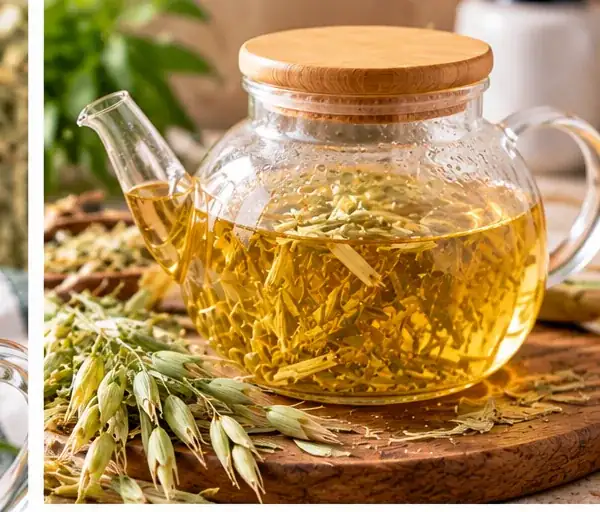
The finished drink should be pale gold to light green-gold with a gentle grassy aroma. If it tastes too strong or hay-like, dilute the cup with a little hot water or shorten the steep next time.
What is oatstraw tea?
Oatstraw tea is an herbal infusion made from the dried stems and leaves of the oat plant, usually Avena sativa. Herbal suppliers may also call the ingredient oat straw, green oat straw, oat herb, or milky oat tops depending on the part and stage of harvest.
The plant is the same species that produces edible oats, but the tea is brewed from the green aerial material rather than from the mature grain. That difference matters when people compare oatstraw tea with oatmeal, oat milk, or oat bran.
Traditional herbal use often describes oatstraw as a nourishing or calming herb. Modern human research, however, has focused more on standardized oat extracts than on ordinary home-brewed tea.
Oatstraw tea benefits: what does research actually show?
Oatstraw contains plant compounds including flavonoids, phenolic acids, saponins, and minerals. These components make the plant interesting from a research perspective, but the amount extracted into a normal cup of tea can differ from the amount used in supplements or laboratory preparations.
A systematic review of randomized trials involving Avena sativa found some evidence that certain oat preparations may influence aspects of cognitive performance. However, the review included only a small number of studies, used different extract doses, and did not establish that oatstraw tea itself improves memory or concentration. The authors called for more high-quality long-term research.
That means it is reasonable to enjoy oatstraw tea as a mild herbal drink, but claims such as “boosts brain power,” “heals the nervous system,” or “treats anxiety” go beyond the evidence available for a normal infusion.
Oatstraw tea for stress and relaxation
Oatstraw is frequently promoted as a relaxing herb or “nervine.” Much of that reputation comes from traditional herbal practice rather than strong clinical trials of the tea itself.
A warm caffeine-free drink can still be useful as part of an evening wind-down routine. The ritual of preparing tea, dimming lights, and slowing down may help create a calmer setting even if the herb itself is not acting like a sedative medicine.
If you want a more familiar evening herbal tea with some human sleep research, compare oatstraw with our chamomile tea guide.
Does oatstraw tea help with sleep?
There is not strong evidence that oatstraw tea directly treats insomnia. Its caffeine-free profile makes it suitable for many evening routines, but that is different from proving a sleep-inducing effect.
If you enjoy the flavor, one small cup in the evening can be a reasonable habit. If drinking fluid right before bed causes frequent nighttime bathroom trips, have the tea earlier rather than immediately before sleep.
Persistent insomnia, loud snoring, breathing pauses, severe daytime sleepiness, or sleep problems lasting for weeks deserve proper assessment rather than repeated herbal self-treatment.
Does oatstraw tea have caffeine?
Plain oatstraw tea is naturally caffeine-free. It is not made from tea leaves, coffee beans, cocoa, or yerba mate.
Commercial blends can be different. A tea labeled “oatstraw blend” may include green tea, black tea, or another caffeinated ingredient, so always read the full ingredient list.
What does oatstraw tea taste like?
Oatstraw tea has a mild grassy, hay-like, slightly sweet flavor. It is much less floral than chamomile and less tart than hibiscus.
If you are used to stronger teas, the first cup may seem subtle. Avoid trying to “fix” that by steeping for an extremely long time. Instead, use a little more herb in the next batch if you want a fuller flavor.
Oatstraw tea vs oatstraw infusion
People often use the terms tea and infusion interchangeably, but in herbal practice an “oatstraw infusion” often means a much longer steep with a larger amount of herb.
A normal cup of oatstraw tea might steep for 10 to 15 minutes. A long herbal infusion may steep for several hours. Longer steeping can extract more soluble compounds, but it also creates a stronger drink and is not automatically better or medically necessary.
If you are new to oatstraw, start with the ordinary tea recipe on this page rather than jumping straight to very concentrated overnight preparations.
Oatstraw tea and minerals
Oatstraw is often marketed as a source of minerals such as calcium, magnesium, and silica. The plant can contain minerals, but the amount that actually moves into a cup of tea depends on the plant material, growing conditions, processing, water, ratio, and steeping time.
For that reason, it is better not to treat oatstraw tea as a reliable replacement for dietary sources of calcium, magnesium, or other nutrients unless a specific product has been tested and labeled with nutritional values.
Oatstraw tea during pregnancy
Pregnancy is a common search related to oatstraw, but good-quality safety data for regular medicinal amounts are limited. An herbal tea made from oat straw is not the same thing as eating oatmeal as part of a normal diet.
If you are pregnant and want to drink oatstraw regularly, especially in large or concentrated amounts, ask your prenatal care professional first. Multi-herb pregnancy teas deserve extra attention because each ingredient has its own safety profile.
Oatstraw tea while breastfeeding
There is also limited direct safety research on regular medicinal use of oatstraw tea while breastfeeding. Occasional food-like use and concentrated herbal preparations are different questions.
If you are breastfeeding and plan to use oatstraw frequently, discuss it with a healthcare professional, especially if you take medication or your baby has food allergies.
Is oatstraw tea gluten-free?
Pure oats do not naturally contain the same gluten proteins found in wheat, barley, and rye. However, oat products are frequently exposed to those grains during growing, transport, storage, or processing.
People with celiac disease should therefore look for oat products specifically labeled gluten-free. The Celiac Disease Foundation notes that most people with celiac disease can tolerate uncontaminated gluten-free oats, although a smaller group may react to avenin, the oat protein.
Because oatstraw tea products are less standardized than common oat foods, anyone who needs strict gluten avoidance should contact the manufacturer or choose a product with appropriate gluten-free labeling rather than assuming every loose herb is safe.
Oat allergy and oatstraw tea
People with an oat allergy should avoid assuming oatstraw is harmless just because it is the stem and leaf rather than the grain. Botanical material from the same plant can still contain proteins capable of triggering reactions in sensitive individuals.
Stop drinking the tea and seek urgent care for severe allergic symptoms such as difficulty breathing, throat swelling, faintness, or widespread hives.
Oatstraw tea side effects
Oatstraw tea is generally mild, but side effects are possible. Some people may notice digestive discomfort, nausea, bloating, or an allergic reaction.
Another practical concern is contamination or misidentification of loose herbs. Buy oatstraw from a reputable food or tea supplier, and avoid products that smell musty, look moldy, or lack clear labeling.
Oatstraw tea medication interactions
There is not enough high-quality interaction research to create a complete medication list for oatstraw tea. That uncertainty is a reason for caution rather than a reason to assume there are no interactions.
If you take prescription medicine and plan to use concentrated oat extracts or large amounts of oatstraw regularly, ask a pharmacist or clinician whether it fits your medication plan.
Can oatstraw tea help with anxiety?
Oatstraw has a traditional reputation as a calming herb, but there is not strong evidence that oatstraw tea treats an anxiety disorder. Research involving oat extracts and cognitive or stress-related outcomes does not directly prove that a cup of tea has the same effect.
A warm caffeine-free drink may still be pleasant during a stressful evening. Persistent or severe anxiety, panic, avoidance, or symptoms interfering with daily life deserve appropriate professional care.
Is oatstraw tea good for weight loss?
Oatstraw tea is not a proven weight-loss treatment. Unsweetened tea is low in calories and may replace a sweet drink, but there is no good evidence that oatstraw itself burns fat or substantially changes metabolism.
If weight management is your goal, the important factor is the overall eating and beverage pattern. Adding large amounts of honey or syrup can also change the calorie content of the drink.
How to make iced oatstraw tea
Brew and strain the tea as usual, cool it promptly, then refrigerate. Serve over ice with optional lemon or mint.
If you want a naturally more colorful iced drink, our butterfly pea flower tea is a caffeine-free alternative that changes from blue toward purple when lemon is added.
How much oatstraw tea should you drink?
There is no established evidence-based therapeutic daily dose for oatstraw tea. For ordinary beverage use, start with one small cup and see how you tolerate it.
Very concentrated infusions, extracts, or multiple large servings should not be treated as automatically safe simply because the herb is natural.
Best time to drink oatstraw tea
There is no required time of day. Because plain oatstraw tea is caffeine-free, many people prefer it in the afternoon or evening.
If you find the grassy flavor refreshing, it can also work as an iced daytime herbal drink. Timing is mostly a matter of preference rather than a medically proven strategy.
How to buy oatstraw tea
Look for dried Avena sativa aerial parts sold specifically for tea or culinary use. The package should identify the plant clearly and ideally give brewing instructions.
Do not assume loose material labeled only “oat herb” is appropriate for every use. Check whether it is intended for human consumption, especially if you are buying from a bulk herb supplier.
How to store dried oatstraw and brewed tea
Keep dried oatstraw in a tightly closed container away from moisture, heat, and direct light. Discard it if it becomes damp, moldy, or develops an unusual odor.
Store brewed tea covered in the refrigerator and make modest batches. Add lemon, mint, or other fresh garnishes only when serving.
Oatstraw tea vs chamomile tea
Both drinks are naturally caffeine-free herbal infusions, but they taste and research differently. Oatstraw is grassy and mild, while chamomile is floral and apple-like.
Chamomile has more direct human research around sleep and relaxation. Oat-related human trials have often used standardized extracts rather than ordinary oatstraw tea. If your main goal is a familiar bedtime drink, our chamomile tea page may be the more relevant comparison.
Common oatstraw tea mistakes
Confusing oatstraw tea with oat milk
Oat milk is made from oat grain and water. Oatstraw tea is brewed from the stems and leaves of the oat plant.
Assuming an overnight infusion is always better
A longer steep is stronger, but stronger is not automatically safer or more useful. Start with a normal cup before experimenting with concentrated infusions.
Ignoring gluten cross-contact
If you need strict gluten avoidance, choose appropriately labeled oat products rather than assuming all oat-derived herbs are free from cross-contact.
Treating oatstraw like a sedative
Oatstraw tea may feel relaxing, but it is not a proven sleeping pill or anxiety treatment.
FAQS
What are oatstraw tea benefits?
Oatstraw is traditionally used as a mild nourishing and relaxing herb. Research on Avena sativa extracts is interesting, but human evidence for ordinary oatstraw tea is limited, so it should not be treated as a proven therapy.
How do you make oatstraw tea?
Steep about 2 tablespoons of dried food-grade oat straw in 2 cups of hot water for 10 to 15 minutes, then strain. Honey or lemon are optional.
Does oatstraw tea have caffeine?
No. Plain oatstraw tea is naturally caffeine-free. Commercial blends can include caffeinated ingredients, so read the label.
Can oatstraw tea help with sleep?
There is not strong evidence that oatstraw tea treats insomnia. It is caffeine-free and may fit comfortably into an evening routine, but it is not a proven sleeping aid.
Is oatstraw tea gluten-free?
Pure oats do not naturally contain wheat, barley, or rye gluten, but oat products can be cross-contaminated during processing. People with celiac disease should look for appropriate gluten-free labeling and consider avenin sensitivity.
Can you drink oatstraw tea during pregnancy?
High-quality safety data for regular medicinal use during pregnancy are limited. If you are pregnant and want to drink oatstraw frequently or in concentrated amounts, ask your prenatal care professional first.
1 thought on “Oatstraw Tea: Benefits, Side Effects and How to Make It”