
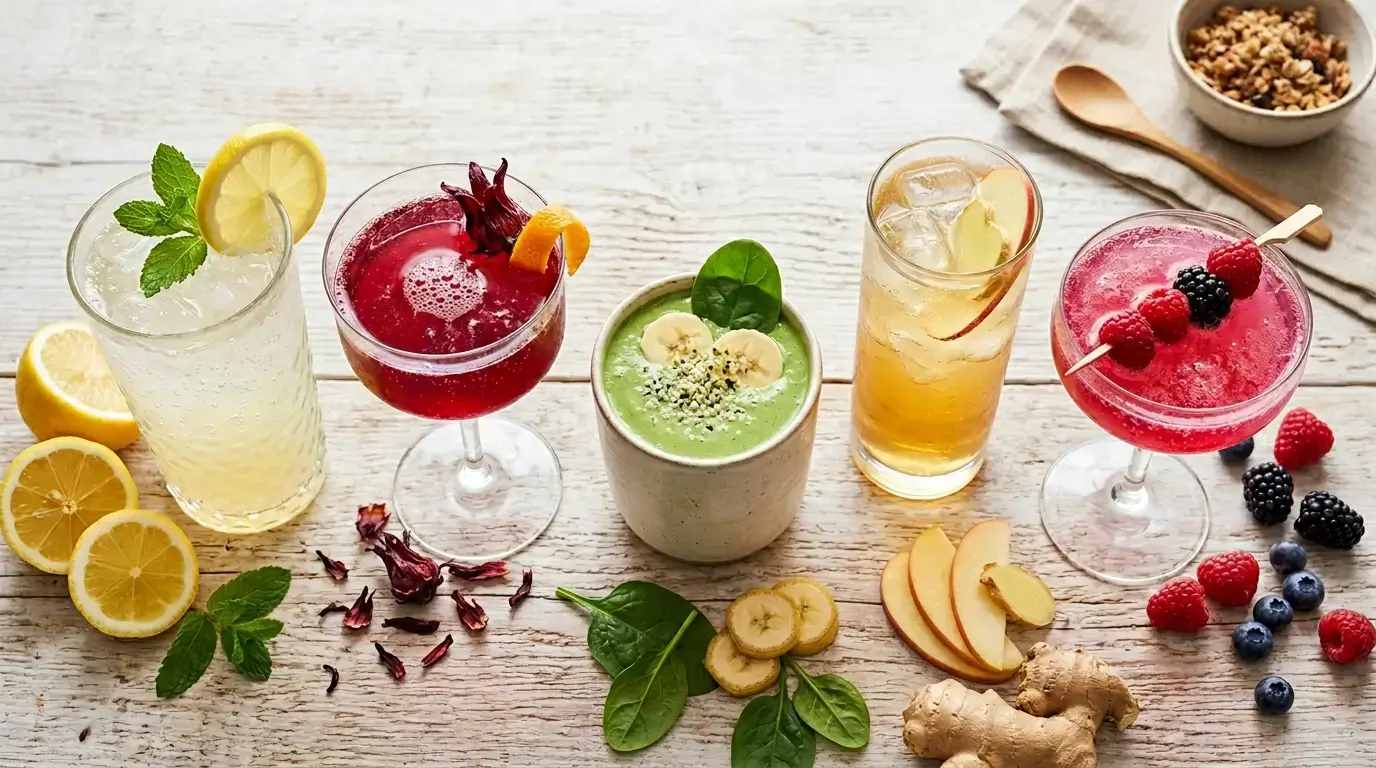
Prebiotic drinks are becoming easier to find, from sparkling beverages with added fiber to powders designed to mix with water.
But the term prebiotic drink can be confusing.
Not every high-fiber beverage is automatically prebiotic, and prebiotics are not the same thing as probiotics. The effects can also vary depending on the ingredient, amount, product, and person consuming it.
This guide explains what prebiotic drinks are, the ingredients you may find in them, how they differ from probiotic and postbiotic drinks, and what to consider before adding one to your routine.
What Is a Prebiotic Drink?
A prebiotic drink is a beverage containing an ingredient that can be used by microorganisms in the body in a way that may provide a health benefit.
Many commercial products use fermentable fibers or carbohydrates such as:
- Inulin
- Fructooligosaccharides (FOS)
- Galactooligosaccharides (GOS)
- Resistant starch
- Certain other fermentable fibers
However, simply adding fiber to a beverage does not automatically prove that the finished product will improve gut health.
The type and amount of ingredient matter, and individual tolerance can vary considerably.
Prebiotics vs. Probiotics vs. Postbiotics
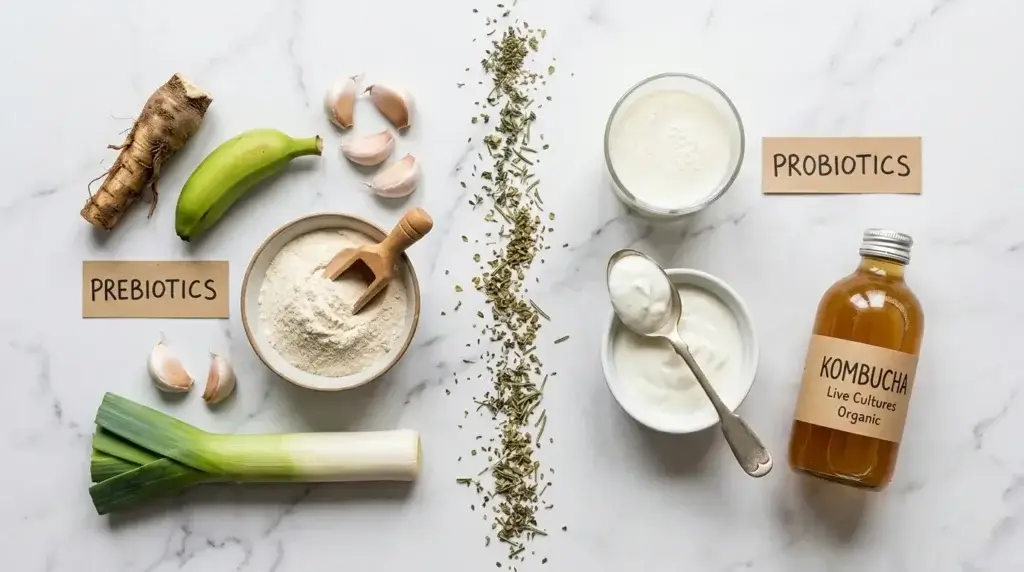
These terms describe different things.
| Type | What It Means | Examples |
|---|---|---|
| Prebiotics | Substances used by microorganisms that may provide a health benefit | Inulin, FOS and certain other fermentable carbohydrates |
| Probiotics | Live microorganisms that may provide a health benefit when consumed in adequate amounts | Specific bacterial or yeast strains used in some foods and supplements |
| Postbiotics | Preparations of inanimate microorganisms and/or their components that may provide a health benefit | Certain specially formulated products |
A fermented beverage is therefore not automatically a probiotic, and a fiber-containing beverage is not necessarily a clinically proven prebiotic product.
For a broader look at beverages and digestion, see our gut health drinks guide.
Common Ingredients in Prebiotic Drinks
Inulin
Inulin is a fermentable carbohydrate found naturally in foods such as chicory root, onions, garlic, and some other plants.
It is also commonly added to packaged foods and beverages to increase fiber content.
Gut microorganisms can ferment inulin, which is one reason it appears frequently in products marketed for digestive or gut health.
However, larger amounts can cause gas, bloating, or abdominal discomfort in some people.
Fructooligosaccharides (FOS)
FOS are fermentable carbohydrates found naturally in certain foods and also used as added ingredients.
Like inulin, they can be fermented by intestinal microorganisms.
Tolerance varies, particularly among people who are sensitive to highly fermentable carbohydrates.
Galactooligosaccharides (GOS)
GOS are another group of carbohydrates used in some prebiotic products.
They have been studied for their effects on the gut microbiota, but that doesn’t mean every GOS-containing drink will produce the same effect in every person.
Resistant Starch
Resistant starch escapes digestion in the small intestine and reaches the large intestine, where it can be fermented by microorganisms.
It occurs naturally in foods including legumes, grains, potatoes, and less-ripe bananas.
Some drink powders and smoothies may contain ingredients that provide resistant starch.
Acacia Fiber
Acacia fiber, sometimes called gum arabic, is another soluble fiber used in certain beverages and supplements.
As with other added fibers, the amount and individual tolerance are important considerations.
What About Apple Cider Vinegar?
Apple cider vinegar frequently appears in drinks marketed for gut health.
However, it shouldn’t automatically be classified as a major source of prebiotic fiber.
Commercial vinegar is primarily a source of acetic acid rather than a substantial serving of dietary fiber.
Claims that apple cider vinegar “feeds good bacteria” or works like inulin should therefore be treated cautiously.
It can also be acidic and may be uncomfortable for people with reflux or sensitive teeth.
What About Ginger?
Ginger can be a useful ingredient in a beverage, but it is not the same thing as a prebiotic fiber.
Ginger has been studied for several digestive applications, particularly certain forms of nausea, but adding ginger to a drink doesn’t automatically turn that beverage into a prebiotic drink.
This distinction is important because many products combine several wellness ingredients and then market the entire mixture as “gut healthy.”
What About Hibiscus?
Hibiscus contains plant compounds such as polyphenols, and researchers continue to investigate interactions between dietary polyphenols and the gut microbiome.
But this is different from saying that ordinary hibiscus tea is equivalent to an established prebiotic fiber such as inulin.
Hibiscus is therefore better viewed as an herbal beverage rather than automatically labeling it a prebiotic drink.
You can learn more in our hibiscus tea benefits guide.
Potential Benefits of Prebiotic Drinks
Research into prebiotics is an active area, particularly around the gut microbiota.
Certain prebiotic ingredients can influence populations or activity of intestinal microorganisms.
But this doesn’t mean every prebiotic drink has been proven to:
- Eliminate bloating
- Treat constipation
- Strengthen immunity
- Improve mood
- Lower blood sugar
- Reduce cholesterol
- Cause weight loss
Those outcomes depend on the specific ingredient, amount, population studied, overall diet, and health condition.
It is therefore more useful to evaluate the actual ingredients in a product than to rely on the words gut health printed on the package.
Can Prebiotic Drinks Cause Gas or Bloating?
Yes.
Fermentable carbohydrates can produce gas as intestinal microorganisms metabolize them.
Some people tolerate these ingredients well, while others experience:
- Gas
- Bloating
- Abdominal discomfort
- Changes in bowel movements
The reaction may depend on the ingredient and amount consumed.
Importantly, uncomfortable symptoms are not proof that a product is “working.”
If a drink repeatedly causes significant discomfort, you do not need to continue consuming it simply because it contains prebiotic ingredients.
Prebiotic Drinks and IBS
People with irritable bowel syndrome may need to be particularly careful with some highly fermentable ingredients.
Certain prebiotic fibers can increase gas and bloating in susceptible people.
That doesn’t mean everyone with IBS must avoid all prebiotics. It means that tolerance and the specific ingredient matter.
People managing IBS or another gastrointestinal condition may benefit from discussing major dietary changes or concentrated fiber products with a qualified healthcare professional.
How to Choose a Prebiotic Drink
Ignore the front-of-package marketing for a moment and read the ingredient list.
1. Identify the Prebiotic Ingredient
Look for the actual ingredient responsible for the prebiotic claim.
This might include inulin, FOS, GOS, resistant starch, or another specific ingredient.
2. Check the Fiber Content
A product labeled “gut friendly” may contain very different amounts and types of fiber from another product carrying similar marketing.
3. Check Added Sugar
Prebiotic and low-sugar are two different claims.
A beverage can contain prebiotic ingredients and still contain added sugar.
4. Look at Sweeteners
Some people tolerate sugar alcohols and other sweeteners well, while others experience gastrointestinal symptoms.
5. Avoid Assuming More Is Better
A drink with a long list of fibers, botanicals, extracts, and functional ingredients is not necessarily better for your digestive system.
Sometimes a simpler product is easier to evaluate and tolerate.
Prebiotic Drink Mixes and Powders
Google searches for prebiotic drink mix often refer to powders designed to dissolve in water.
These products may contain ingredients such as inulin, FOS, resistant starch, or fiber blends.
Before buying one, check:
- The specific fiber or prebiotic ingredient
- Fiber per serving
- Serving instructions
- Added sugars and sweeteners
- Other botanical or functional ingredients
Start by following the manufacturer’s serving directions rather than assuming that adding extra powder will provide additional benefits.
Prebiotic Fiber Drinks
A prebiotic fiber drink is usually a beverage formulated around one or more fermentable fibers.
This can make it different from a general fiber drink.
Not every dietary fiber meets the definition of a prebiotic, although many fibers still have nutritional value.
That distinction is worth remembering when comparing products.
Are Homemade Prebiotic Drinks Possible?

Yes, but the terminology needs to be accurate.
The easiest way to make a simple prebiotic-style drink at home is to use an ingredient that actually provides a recognized fermentable fiber rather than relying on lemon juice, vinegar, ginger, or herbs alone.
For example:
Simple Inulin Fiber Drink
Ingredients
- 1 glass of water
- A measured amount of an inulin product according to its package directions
- Optional flavoring, such as a small amount of lemon if tolerated
Method
Add the inulin according to the manufacturer’s directions and stir thoroughly.
This is intentionally simple.
There is no need to combine five or six “gut health” ingredients in one glass.
People who aren’t accustomed to added fermentable fiber may prefer to introduce it cautiously because tolerance varies.
Prebiotic Drinks vs. Fermented Drinks
These categories are often confused.
Kefir, kombucha, and cultured yogurt drinks are fermented beverages.
A prebiotic drink, by contrast, is defined by its prebiotic ingredient rather than fermentation.
Some commercial beverages can contain both prebiotic ingredients and live microorganisms, but one category doesn’t automatically imply the other.
Do You Need a Prebiotic Drink?
No.
Prebiotic drinks can be convenient, but they are not required for a healthy diet.
Prebiotic compounds and fermentable fibers can also come from foods.
Depending on the individual diet, sources may include foods such as:
- Onions
- Garlic
- Leeks
- Legumes
- Oats
- Certain bananas
- Other fiber-rich plant foods
A drink is simply one possible delivery format.
Who Should Be More Careful?
Consider extra caution with concentrated prebiotic or fiber beverages if you:
- Have IBS or another gastrointestinal condition
- Are following a medically prescribed diet
- Frequently experience significant bloating or abdominal pain
- Have recently had gastrointestinal surgery
- Have difficulty tolerating fermentable fibers
Persistent or severe digestive symptoms deserve proper evaluation rather than simply increasing prebiotic products.
5 Easy Homemade Prebiotic Drinks
Recipe 1 — Classic Prebiotic Lemonade
The simplest starting point. Tastes like sparkling lemonade, delivers 4–6g of prebiotic fiber per glass.
Ingredients (1 serving):
- 300ml sparkling water
- Juice of 1 lemon (about 30ml)
- 1 tsp inulin powder (chicory root fiber)
- 1 tsp raw apple cider vinegar (with the mother)
- 1 tsp raw honey or a few drops of stevia
- Ice
Method:
- Add inulin powder to the lemon juice and stir until fully dissolved — inulin dissolves better in liquid than in water alone.
- Pour into a glass over ice.
- Add apple cider vinegar and sweetener.
- Top with sparkling water and stir gently.
Why it works: Inulin + pectin from lemon + ACV prebiotic compounds = a solid daily dose of three different prebiotic fibers. The sparkling water makes it feel like the prebiotic sodas you’d buy at the store.
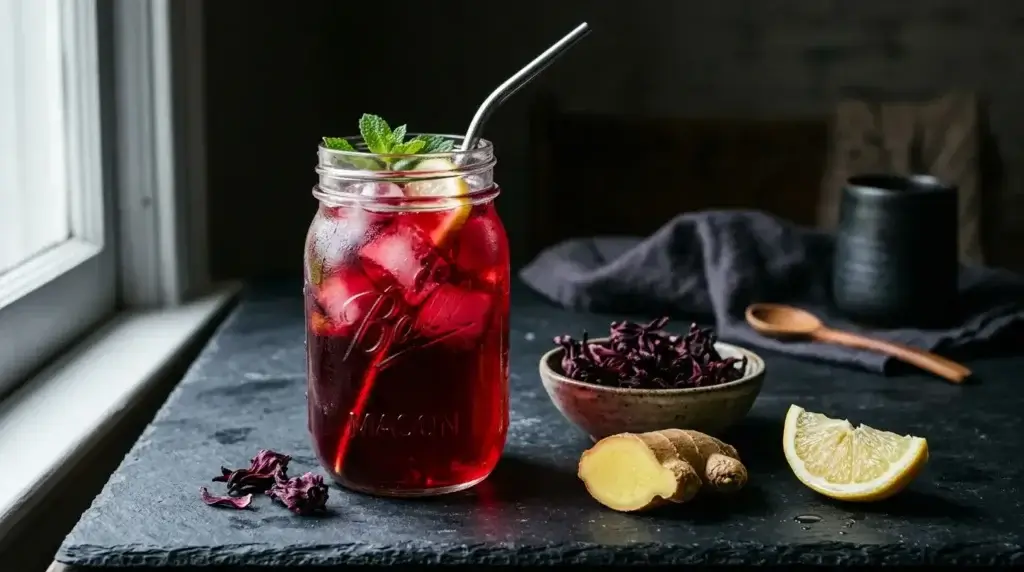
Recipe 2 — Hibiscus Ginger Prebiotic Tonic
A more complex, beautiful deep-red drink. Hibiscus polyphenols + ginger anti-inflammatory + lemon pectin. This one is worth making in batches.
Ingredients (4 servings):
- 500ml water
- 3 tbsp dried hibiscus flowers (or 2 hibiscus tea bags)
- 1 tbsp fresh grated ginger
- 2 tsp inulin powder
- Juice of 1 lemon
- 1 tbsp raw honey
- Sparkling water to top
Method:
- Bring water to just below a boil (80°C). Add hibiscus and ginger. Steep for 10 minutes.
- Strain and let cool to room temperature.
- Stir in inulin powder until dissolved.
- Add lemon juice and honey. Stir well.
- Refrigerate. Serve over ice topped with sparkling water (ratio about 1:1).
Shelf life: 4–5 days in the fridge.
Why it works: Hibiscus polyphenols are fermented by gut bacteria the same way prebiotic fibers are, increasing microbiome diversity. Ginger reduces gut inflammation and improves gastric emptying — helping with bloating. (More on hibiscus benefits: hibiscus tea benefits · best time to drink hibiscus tea)
Recipe 3 — Green Banana Prebiotic Smoothie
Higher fiber, more filling — closer to a mini-meal than a drink. Great as a morning gut-health ritual.
Ingredients (1 serving):
- 1 small green (unripe) banana
- 200ml unsweetened oat milk or almond milk
- 1 tsp green banana powder (optional — for extra resistant starch)
- 1 tsp inulin powder
- ½ tsp cinnamon
- Small knob of fresh ginger (or ¼ tsp ginger powder)
- 1 tsp raw honey
- 3–4 ice cubes
Method:
- Blend all ingredients until completely smooth.
- Pour and drink immediately — resistant starch retrogrades as it cools, becoming even more prebiotic in structure, but the texture changes.
Why it works: Green bananas are one of the highest natural sources of resistant starch (around 12g per 100g). Unlike regular bananas, they’re low in sugar and extremely high in prebiotic fiber. The inulin adds a second prebiotic source. Cinnamon also has mild prebiotic-like effects on gut bacteria.
Recipe 4 — Apple Ginger Gut Tonic (ACV-Based)
Inspired by the “wellness shot” trend, but stretched into a full drink. This is the one for people who want the gut health benefits of apple cider vinegar without the harsh shot format.
Ingredients (1 serving):
- 250ml cold water or coconut water
- 1 tbsp raw apple cider vinegar (with the mother)
- Juice of ½ apple (or 60ml cloudy apple juice — pectin intact)
- 1 tsp fresh grated ginger
- ½ tsp inulin powder
- Pinch of cinnamon
- A few drops of stevia or a small drizzle of honey
- Ice
Method:
- Combine all ingredients in a glass.
- Stir well until inulin is dissolved.
- Serve over ice. Add a thin slice of fresh apple as garnish.
Why it works: Apple pectin is one of the best-documented prebiotic fibers for feeding Bifidobacterium species. ACV adds acetic acid and the pectin from the mother culture. Ginger adds digestive support. This is close to what some expensive “gut health shots” contain — at about 10% of the cost.
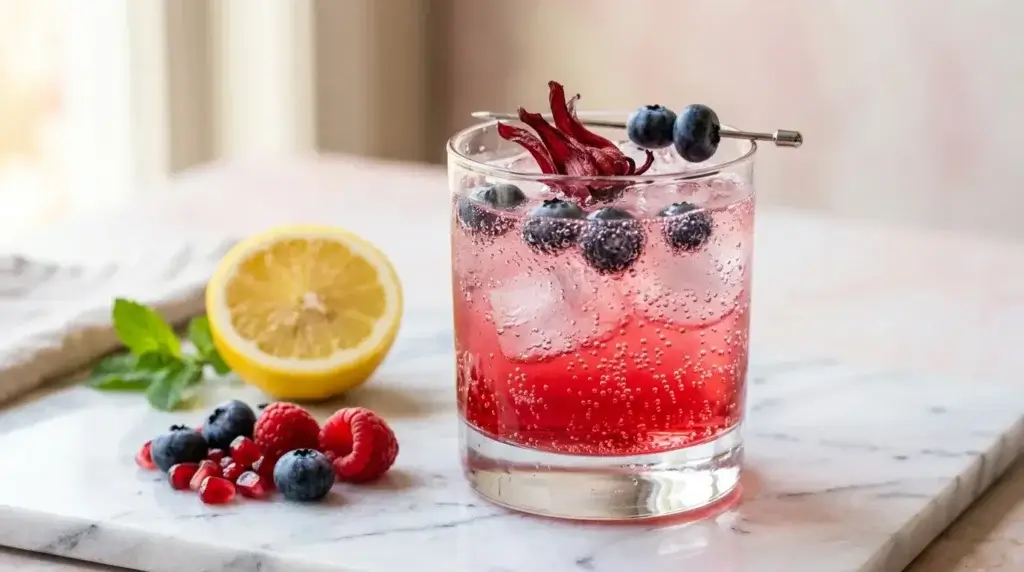
Recipe 5 — Sparkling Prebiotic Berry Lemonade (OLIPOP-style)
The most enjoyable recipe on this list — genuinely tastes like a premium prebiotic soda. Great for people who are transitioning away from regular soda or sugary drinks.
Ingredients (1 serving):
- 200ml sparkling water
- 80ml hibiscus tea (cold, prepared in advance)
- Juice of ½ lemon
- 50ml mixed berry juice (blueberry + pomegranate work best)
- 1 tsp inulin powder
- ½ tsp apple cider vinegar
- A few drops of stevia
Method:
- Make the hibiscus tea base in advance and refrigerate (steep 2 hibiscus tea bags in 500ml hot water for 10 min, cool, strain).
- Mix inulin into the berry juice first — stirs in more easily.
- Combine everything in a glass over ice.
- Top with sparkling water last, stir gently to preserve carbonation.
Why it works: This recipe combines three prebiotic fiber sources (inulin, lemon pectin, berry polyphenols acting as prebiotics) plus the fermentation-supporting acetic acid from ACV. The result is a drink with 4–5g of prebiotic fiber, under 50 calories, and genuinely pleasant to drink.
Homemade vs Store-Bought Prebiotic Drinks
| Homemade | OLIPOP / Poppi | |
|---|---|---|
| Cost per serving | $0.30–0.80 | $2.50–4.00 |
| Fiber per serving | 4–8g (customizable) | 6–9g |
| Sugar | Fully controlled | 2–5g |
| Ingredients | Whole food, fresh | Clean label, but processed |
| Convenience | Needs prep time | Ready immediately |
| Flavor variety | Unlimited | Limited to brand range |
| Best for | Daily habit, budget | Convenience, travel, social situations |
The ideal approach: homemade versions for your daily routine, store-bought when you need convenience. Both count. Don’t let perfect be the enemy of good.
How Much Prebiotic Fiber Do You Actually Need?
Most nutrition research suggests 5–10g of prebiotic fiber per day for meaningful gut health benefits. The average person eating a standard Western diet gets around 1–3g.
Prebiotic drinks can realistically contribute 3–6g per serving. The rest should come from food — garlic, onions, leeks, oats, legumes, slightly underripe bananas.
One important note: if you’re adding prebiotic fiber to your diet rapidly, you may notice temporary gas and bloating for the first 1–2 weeks. This is completely normal — it’s your gut bacteria adjusting to more fiber. Start with smaller doses (1–2g per drink) and increase gradually over 2 weeks.
Who Benefits Most from Prebiotic Drinks?
Prebiotic drinks are particularly valuable for:
- Anyone on or recently off antibiotics — antibiotics wipe out gut bacteria indiscriminately; prebiotics help rebuild microbiome diversity faster
- People with irregular digestion — bloating, constipation, or loose stools often have a microbiome component that prebiotics directly address
- People under chronic stress — stress disrupts the gut microbiome; prebiotics help counteract this
- Anyone transitioning off soda — a sparkling homemade prebiotic drink scratches the carbonation itch without the sugar
- People over 40 — gut microbiome diversity naturally decreases with age; active prebiotic intake helps maintain it
The Verdict
Prebiotic drinks are one of the easiest, most enjoyable ways to meaningfully improve your gut health. The commercial versions are convenient and genuinely well-formulated — but at $3–5 a can, they’re a premium habit. The homemade versions deliver the same core benefits at a fraction of the cost, and you have full control over ingredients, sweetness, and fiber dose.
Start with Recipe 1 (the classic prebiotic lemonade) — it takes under 5 minutes and uses ingredients you likely already have. Make it every morning for two weeks and pay attention to how your digestion feels. Most people notice a real difference within 10–14 days of consistent use.
Your gut is one of the most important systems in your body. Feeding it well doesn’t have to be expensive or complicated.
Related guides: Gut Health Drinks · Hibiscus Tea Benefits · Homemade Electrolyte Drink Without Sugar · Electrolyte Drinks Without Sugar
Frequently Asked Questions
What is the best prebiotic drink for gut health?
The best daily prebiotic drink combines multiple fiber sources — inulin, pectin, and polyphenols — for a broader microbiome effect. A homemade hibiscus ginger prebiotic tonic or a simple inulin-based sparkling lemonade both deliver 4–6g of prebiotic fiber with real, measurable gut health benefits.
Are prebiotic drinks the same as probiotic drinks?
No. Probiotics are live bacteria (found in kombucha, kefir, yogurt). Prebiotics are the fiber that feeds those bacteria. Prebiotic drinks don’t contain live microorganisms — they feed the ones already living in your gut. Both are valuable; they work best together.
Can I drink prebiotic drinks every day?
Yes — that’s the goal. Gut health benefits from prebiotics are cumulative and require consistent intake. Daily consumption of 5–10g of prebiotic fiber, through drinks and food, is the target range for meaningful microbiome improvements.
Do homemade prebiotic drinks work as well as OLIPOP or Poppi?
Yes, if you use quality prebiotic fiber sources (inulin, apple pectin, ACV). Commercial brands are well-formulated, but homemade versions can deliver equal or higher fiber per serving at a much lower cost. The key is actually including a measurable dose of prebiotic fiber — not just "healthy" ingredients that sound prebiotic.
What are the side effects of prebiotic drinks?
The main side effect is temporary gas and bloating during the first 1–2 weeks as your gut bacteria adapt to increased fiber. Start with smaller doses (1–2g per serving) and build up gradually. This adjustment period is a sign the fiber is working — your gut bacteria are actively fermenting it.
When is the best time to drink a prebiotic drink?
Morning on an empty stomach or 30 minutes before a meal are good times — this gives the prebiotic fiber time to reach the colon where the beneficial bacteria live. Consistency matters more than timing though. Any time of day, every day, is better than the perfect time, occasionally.