
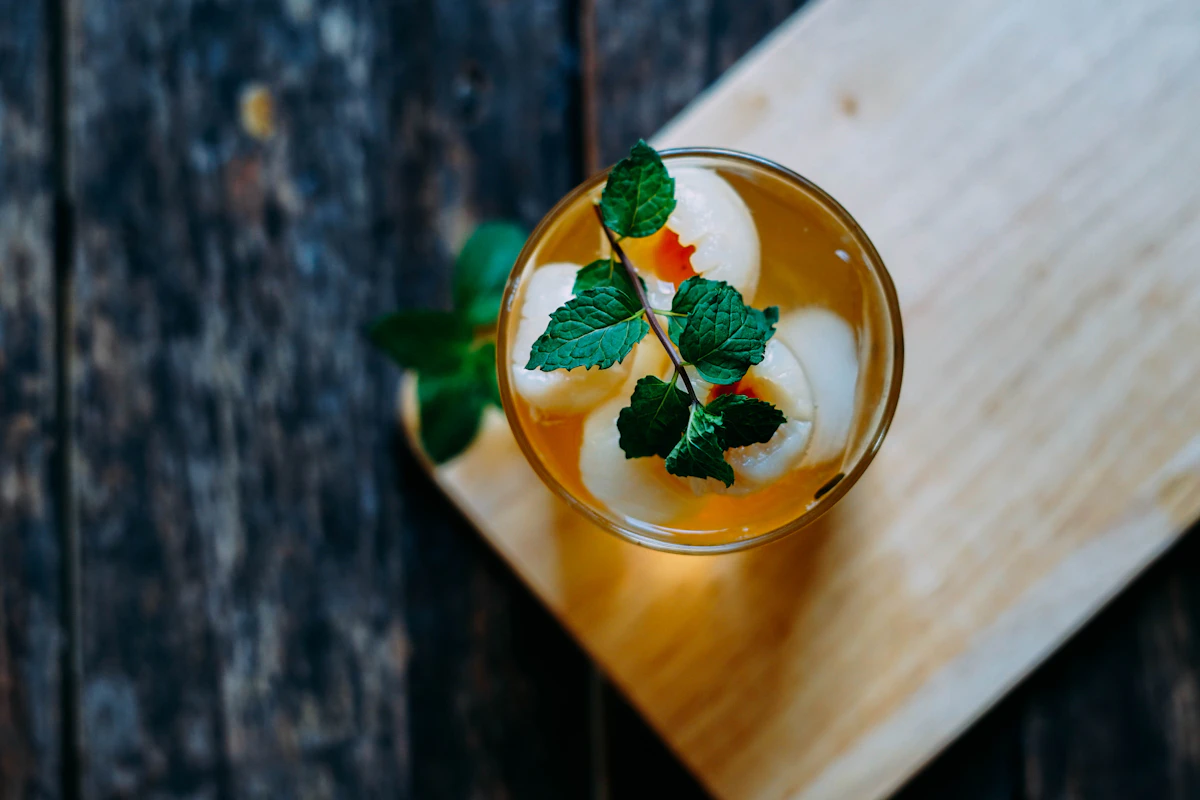
Peach oolong tea is a fragrant blend of partially oxidized oolong tea and peach flavor. You can make it at home with brewed oolong and ripe peach in about 15 minutes, then serve it hot, iced, or as creamy white peach oolong milk tea. This guide covers the recipe, brewing temperatures, caffeine, sweetness, troubleshooting, and the differences between peach oolong and white peach oolong.
What Is Peach Oolong Tea?
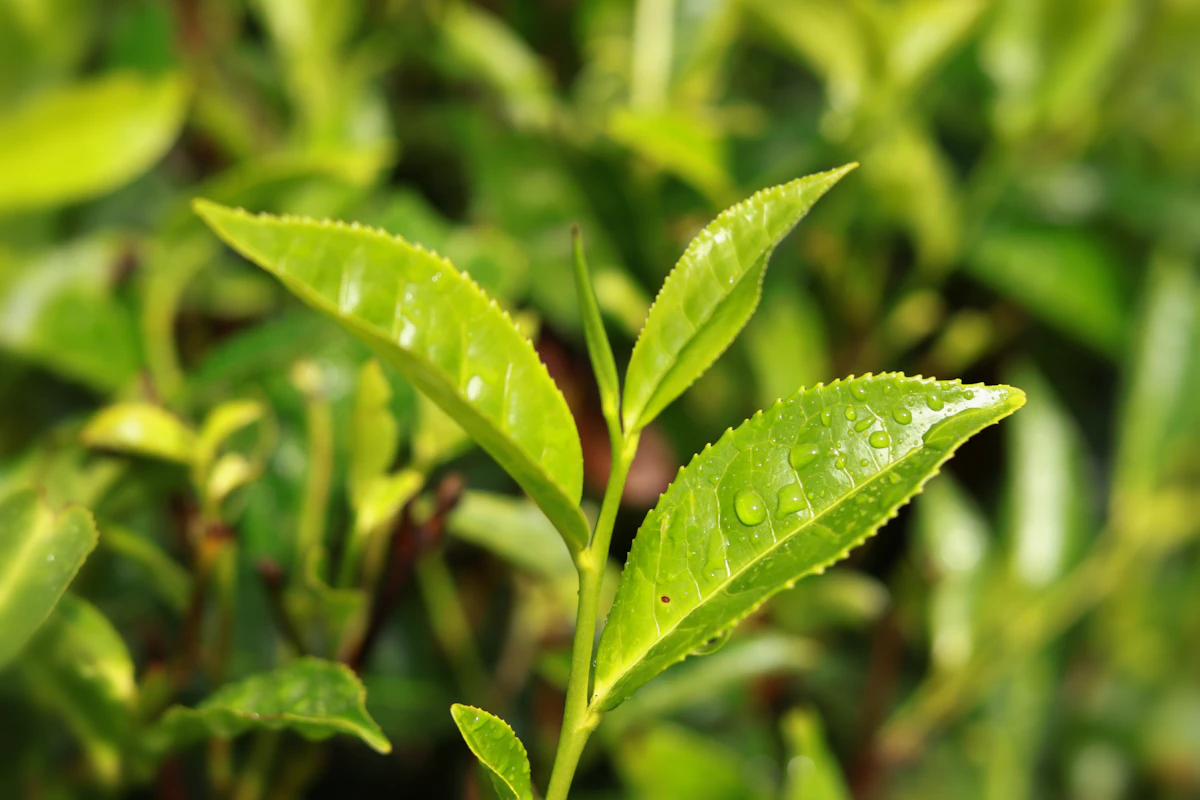
Peach oolong tea is a fruit-flavored tea made with oolong leaves and peach flavor, peach pieces, or fresh peach. Oolong is a partially oxidized tea from the Camellia sinensis plant. It can taste floral, gently roasted, buttery, or toasty depending on the style. Peach adds a fragrant, juicy note that complements rather than replaces the tea.
Some products labeled white peach oolong tea contain peach flavoring and dried fruit, while others use a naturally peach-scented blend. Read the ingredient list: “peach oolong” does not necessarily mean the product contains much real peach. It also is not the same thing as white tea; “white peach” names a peach variety or flavor profile, not the tea-leaf category.
The simplest homemade version combines brewed oolong with ripe peach. For a stronger café-style drink, use a peach concentrate or a little syrup. The goal is balance: a recognizable tea base, a gentle fruit aroma, and sweetness you control.
What Does Peach Oolong Tea Taste Like?
Expect the first impression to be fruity and fragrant, followed by a rounded tea finish. Lightly oxidized oolong often gives peach blends a floral, green, almost orchid-like quality. Darker oolong can add roasted or nutty depth. Fresh peaches taste softer and less candy-like than flavored syrups, so a fresh-fruit recipe may smell subtler than a bottled peach tea.
White peach varieties tend to suggest delicate floral sweetness. Yellow peaches often taste fuller and tangier. Either works; ripeness matters more than color. If your tea tastes bitter, the issue is often over-steeping or water that is too hot for a delicate oolong, not a lack of sugar.
For an easy comparison, think of peach oolong as a lighter, more tea-forward alternative to peach juice. Unlike many bottled fruit drinks, an unsweetened homemade cup does not need added sugar.
Ingredients for Homemade Peach Oolong Tea
For two servings, use 2 teaspoons loose-leaf oolong tea (or 2 tea bags), 2 cups water, 1 ripe peach (about 150 g before removing the pit), 1–2 teaspoons honey or sugar if desired, and ice for the cold version. A few thin peach slices make an attractive garnish. Choose filtered water if your tap water has a strong mineral or chlorine taste.
Which oolong should you buy? A light floral oolong is the easiest match. A medium-roasted oolong also works if you want a deeper flavor. You can use a ready-made peach oolong blend instead of plain oolong; if you do, start with less added fruit because the blend may already be strongly flavored. Avoid assuming all oolongs brew at the same temperature: follow the package if it gives specific instructions.
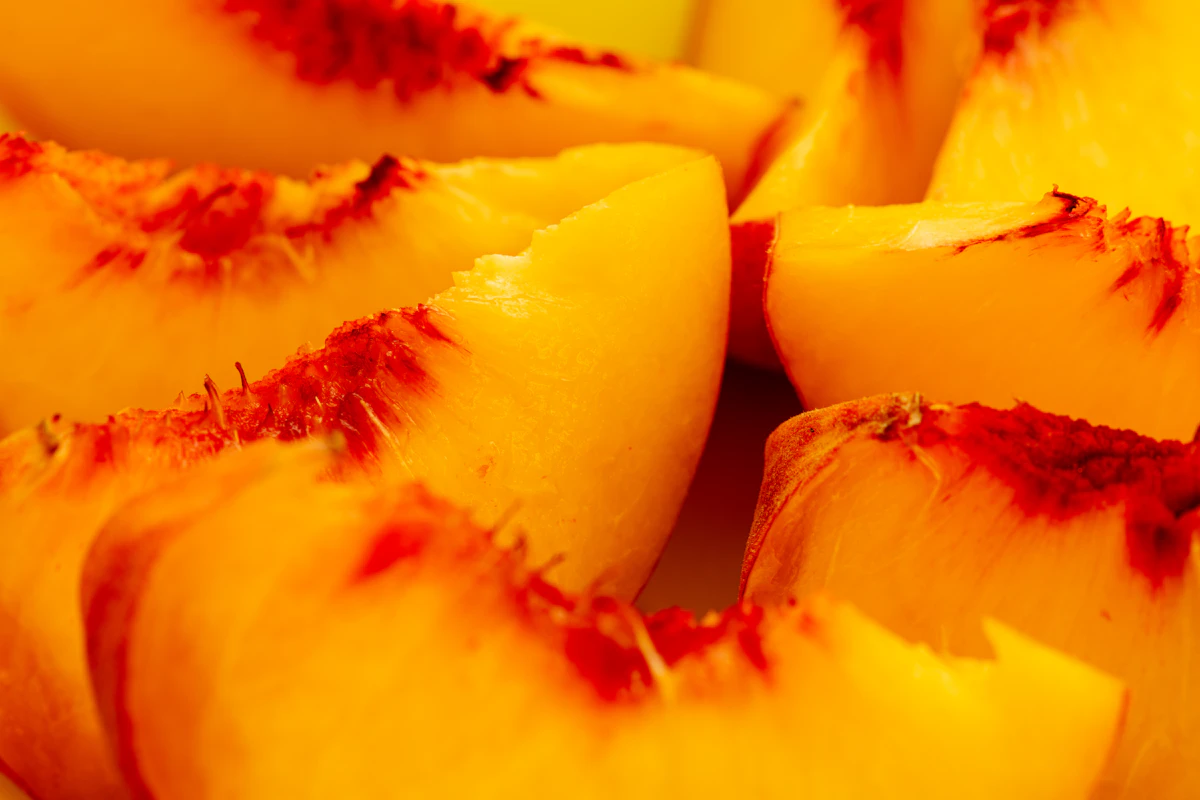
Fresh, frozen, or canned peaches? Fresh ripe fruit has the brightest aroma. Frozen thawed peaches are convenient year-round and work well when mashed. Canned peaches can work too, but drain them first and reduce sweetener if packed in syrup. Peach nectar adds flavor quickly but changes the sugar and calorie content.
Homemade Peach Oolong Tea
Fragrant homemade peach oolong tea with ripe peach and lightly brewed oolong. Serve hot or chilled over ice, with an optional white peach milk tea variation.
- Total Time: 15 minutes
- Yield: 2 cups 1x
Ingredients
- 2 teaspoons loose-leaf oolong tea or 2 tea bags
- 2 cups (480 ml) water
- 1 ripe peach, pitted and sliced
- 1–2 teaspoons honey or sugar, optional
- Ice cubes, for iced tea
- Extra peach slices, optional garnish
Instructions
- Wash and pit the peach. Reserve a few slices and mash the rest with a fork.
- Heat the water to approximately 185–195°F (85–90°C), or follow the oolong package instructions.
- Steep the oolong leaves or tea bags for 3–4 minutes, then strain.
- Stir mashed peach into the warm tea and let stand for 3–5 minutes.
- Strain for a smoother tea, or leave some pulp for texture.
- Taste and add sweetener only if needed.
- Serve warm, or chill promptly and pour over ice. Garnish with peach slices.
Notes
Use ripe peaches for a stronger fruit flavor. Lightly oxidized oolong gives a floral result; roasted oolong tastes deeper. For white peach oolong milk tea, combine ¾ cup cooled strong oolong, 1–2 tablespoons peach purée, and ⅓ cup cold milk; shake with ice. Tea contains caffeine. Refrigerate fruit-added tea and enjoy within 1–2 days for best quality.
- Prep Time: 5 minutes
- Cook Time: 5 minutes
- Category: Drinks
- Method: Steeping
- Cuisine: Tea-inspired
Nutrition
- Serving Size: 1 cup
Keywords: peach oolong tea, white peach oolong tea, iced peach oolong tea, peach oolong milk tea
How to Make Peach Oolong Tea Step by Step
- Prepare the peach. Wash, pit, and slice one ripe peach. Reserve several slices for garnish. Mash the rest with a fork until juicy, or blend briefly with 2 tablespoons water for a smoother drink.
- Heat the water. For a light oolong, start around 185–195°F (85–90°C), unless your tea packaging says otherwise. Avoid prolonged boiling directly on delicate leaves.
- Steep the tea. Add 2 teaspoons loose leaves or 2 tea bags to 2 cups hot water. Steep about 3–4 minutes, taste, then strain. Different oolongs vary, so shorten or extend the steep according to flavor rather than a rigid rule.
- Combine the flavors. Stir the mashed peach into the strained tea. Let stand 3–5 minutes so the fruit aroma infuses. Strain again for a smooth glass or leave the pulp for more texture.
- Adjust sweetness. Taste before adding honey, sugar, or syrup. Ripe peaches may provide enough sweetness on their own. Dissolve honey in warm tea, not a glass full of ice.
- Serve. For hot tea, pour into two cups. For iced peach oolong tea, chill the brewed mixture before pouring over ice; add peach slices just before serving.
Practical tip: If the fruit flavor is faint, add more mashed ripe peach or a small amount of peach purée instead of steeping the leaves longer. Over-steeping can increase bitterness without making the peach more noticeable.
Iced Peach Oolong Tea: The Best Everyday Variation
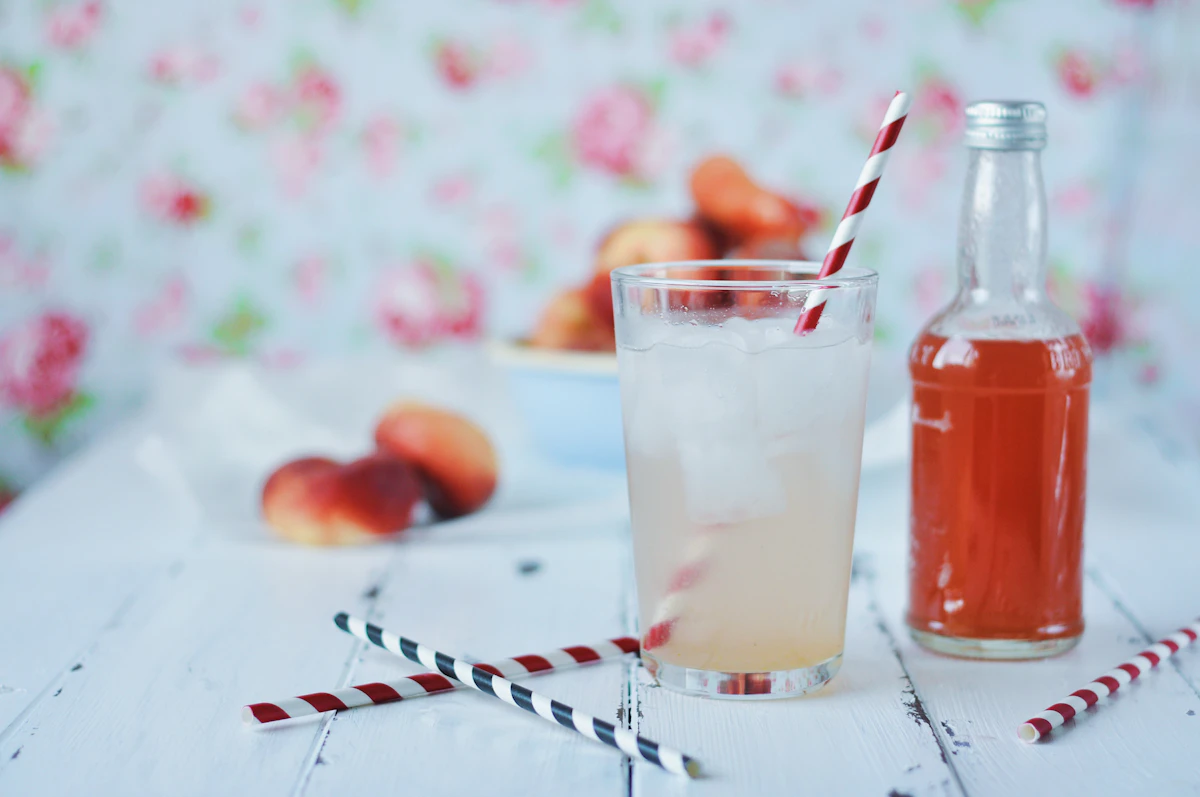
Iced peach oolong tea is especially convenient because you can prepare the tea ahead of time. Brew the tea a little stronger if you expect substantial dilution from ice. Chill it promptly in the refrigerator, then add fruit when serving. A large glass with ice, peach slices, and a sprig of mint makes an attractive presentation, although mint is optional.
For a clear drink, strain the mashed peach through a fine sieve. For a fuller, smoothie-like texture, keep a little fruit pulp. Neither is more authentic: they are simply different serving styles. If you are using a pre-flavored white peach oolong blend, you may prefer to skip extra fruit entirely for a clean, fragrant iced tea.
One mistake is adding ice immediately to very hot tea and expecting a strong final flavor. Rapid dilution can make it watery. Chilling first—or brewing a slightly concentrated base—usually gives a more satisfying cup. If you enjoy experimenting with chilled infusions, our cold brew herbal tea guide explains the general cold-infusion approach, although oolong itself is a true tea rather than an herbal infusion.
White Peach Oolong Milk Tea
White peach oolong milk tea combines a fragrant oolong base with peach flavor and milk. It is creamier and richer than the fruit-only iced tea above. To make one serving, brew ¾ cup (180 ml) strong oolong, cool it, mix in 1–2 tablespoons smooth peach purée or peach syrup, and add ⅓ cup (80 ml) cold milk or an unsweetened plant-based alternative. Shake with ice and pour into a tall glass.
For a more pronounced café-style peach note, use a white-peach-flavored oolong as the base. When using peach jam, dissolve it in a little tea first so it does not form clumps. Add milk only after the tea has cooled. Peach acidity can sometimes cause dairy or certain plant milks to separate, so start with a small amount of fruit and use a cold base.
Milk tea should still taste like tea. If it becomes bland, reduce the milk before increasing sweetener. If you want a light foam topping, see our how to make cold foam guide; it is an optional café-style addition, not a traditional requirement.
Hot Peach Oolong Tea
For a warm version, brew the oolong as directed and add 2–3 tablespoons mashed peach to each cup. Let the peach sit briefly, then strain if desired. The flavor will be gentler than an iced syrup-based drink. A very thin slice of ginger can add warmth, but keep it subtle so it does not overwhelm the oolong.
Warm peach tea is pleasant in cooler weather and can be prepared without milk. Avoid boiling fresh peach together with tea leaves for a long time; this can dull the fruit aroma and make the tea taste harsh. If using a pre-flavored peach oolong bag, you may need nothing more than hot water.
Peach Oolong Tea vs. White Peach Oolong Tea
The terms overlap, but packaging matters. Peach oolong tea is the broad category: oolong paired with peach. White peach oolong tea typically emphasizes a delicate white-peach aroma. It is not automatically made from white tea, and it does not necessarily contain white-peach fruit pieces.
Some brands use natural flavoring, some use fruit pieces, and others use a mixture. There is no single standardized recipe. If you want a real-fruit beverage, make it at home with fresh or frozen peach. If you want a consistent, perfume-like peach aroma, a well-made flavored blend may be easier to use.
Does Peach Oolong Tea Have Caffeine?
Yes. Peach oolong tea normally contains caffeine because oolong comes from the tea plant. Adding peach does not remove the caffeine. The exact amount varies with the leaves, quantity, water temperature, steeping time, and serving size, so a single number cannot reliably describe every cup.
A drink made with an oolong tea bag is not caffeine-free even if it tastes mostly like fruit. A bottled peach beverage labeled “herbal” may be different, so check the ingredients. People sensitive to caffeine may prefer a smaller serving or an earlier drinking time. For a broader explanation of caffeine in true teas, read does green tea have caffeine?
If you want a genuinely caffeine-free peach drink, steep peach pieces with a caffeine-free herbal base instead of oolong. Our caffeine-free drinks guide covers other options.
Calories, Sugar, and Nutrition
Plain brewed oolong contributes very few calories. Fresh peach adds natural sugars and some fruit nutrients; the amount in your finished cup depends on how much fruit pulp you actually consume. Sweetened peach syrup, honey, jam, milk, boba pearls, and flavored creamers can raise the calories considerably.
For a lighter drink, use ripe fruit, omit syrup at first, and choose unsweetened milk if making the creamy variation. “No added sugar” does not mean sugar-free when fruit is present. If you need precise carbohydrate information for medical reasons, calculate it from your actual ingredients and serving sizes rather than relying on a generic tea estimate.
Peach oolong is best enjoyed as a flavorful beverage, not as a detox, fat-burning, or blood-sugar treatment. Evidence about tea polyphenols should not be converted into promises that a particular homemade recipe will produce medical outcomes.
How to Choose the Best Peach Oolong Tea
Start with the tea leaves. A fresh, aromatic oolong should smell pleasant even before brewing, without a stale or dusty note. A lightly oxidized tea gives a more floral drink; a roasted oolong makes a richer base that can stand up to milk. If you buy flavored tea, check whether the peach comes from dried fruit, natural flavoring, or another added flavor.
Tea bags are convenient and can work very well for iced drinks. Loose leaf gives you more control over leaf quantity and re-steeping. Neither is automatically superior: freshness and the blend itself matter. For a first batch, use the manufacturer’s suggested brewing temperature and time, then adjust only one variable at a time.
If you find a flavored blend too perfumed, dilute it with a little plain oolong. If it is too subtle, add peach purée. That approach is more predictable than adding more sugar, which increases sweetness without necessarily improving fruit aroma.
Troubleshooting Common Problems
Why is my peach oolong bitter?
The leaves may have steeped too long, or the water may have been too hot for that oolong. Brew a fresh, shorter infusion and taste before adding peach. Sweetener can mask bitterness, but it will not fix an over-extracted tea base.
Why can’t I taste the peach?
Unripe peaches can be bland, and some lightly flavored blends have more aroma than taste. Use ripe fruit, add a spoonful of peach purée, or try a different blend. If making milk tea, reduce milk so the peach and tea remain noticeable.
Why does my milk tea separate?
Fruit acidity and temperature changes can destabilize dairy or plant milks. Cool the tea first, blend the fruit into the tea, and add cold milk gradually. Separation is not always a safety issue, but discard the drink if ingredients were left unrefrigerated too long.
Why does iced tea taste watery?
Ice melts and dilutes the drink. Chill the tea before serving, use a slightly stronger brew, or freeze a little brewed tea into cubes. Avoid steeping tea indefinitely to compensate; a stronger leaf-to-water ratio is often a better adjustment.
Make-Ahead, Storage, and Food Safety
For best flavor, refrigerate brewed tea promptly in a clean covered container and use within about 2–3 days. Fruit-added tea is best enjoyed sooner because fresh peach changes texture and flavor after sitting. Keep the drink refrigerated at 40°F (4°C) or below and do not leave perishable milk tea at room temperature for extended periods.
Store sliced peaches separately if preparing for guests. Add them just before serving for a brighter appearance. Milk tea is best made fresh; shake before drinking if the ingredients settle. If the tea develops an off smell, unexpected fizzing, or visible mold, discard it.
Do not leave peach pieces soaking at room temperature overnight. If you want a cold-infused version, brew or infuse in the refrigerator rather than on the counter.
Serving Ideas and Pairings
Serve iced peach oolong in a clear glass to show its golden color, with a thin peach wedge on the rim. For a casual brunch, prepare a pitcher of plain chilled oolong and offer peach purée and sweetener separately so everyone can adjust their drink. This also prevents one overly sweet batch from disappointing guests.
A lightly floral peach oolong pairs nicely with simple biscuits, almond cookies, fresh fruit, or a mild sponge cake. The milk-tea version is richer and can work as an afternoon treat on its own. For another fragrant floral tea to explore, see our osmanthus tea guide.
Final Thoughts
The best peach oolong tea is one that still tastes like oolong while letting the peach shine. Start with a gently brewed tea, add ripe fruit, and adjust sweetness only after tasting. Make it hot for a fragrant cup, iced for a refreshing drink, or creamy with milk for a café-style variation.
Because oolong contains caffeine, this is a flavorful true-tea drink rather than a caffeine-free herbal infusion. With a simple method and a few ingredients, you can tailor the peach intensity, sweetness, and texture to your preferences.
FAQs
What is peach oolong tea made of?
Peach oolong tea combines oolong leaves with peach flavor, fruit pieces, or fresh peach. Ingredients vary by blend.
Does peach oolong tea have caffeine?
Yes, usually. Oolong is a true tea made from Camellia sinensis and naturally contains caffeine; the amount varies.
Is white peach oolong tea white tea?
No. White peach describes the peach flavor, not the tea category. Oolong and white tea are processed differently.
Can I make peach oolong tea without syrup?
Yes. Use ripe mashed peach in brewed oolong, strain if desired, and sweeten only after tasting.
Can peach oolong tea be served cold?
Yes. Chill brewed tea promptly, then serve over ice with peach slices.
How do I make white peach oolong milk tea?
Mix cooled strong oolong with a little peach purée or syrup, add chilled milk, and shake with ice.