
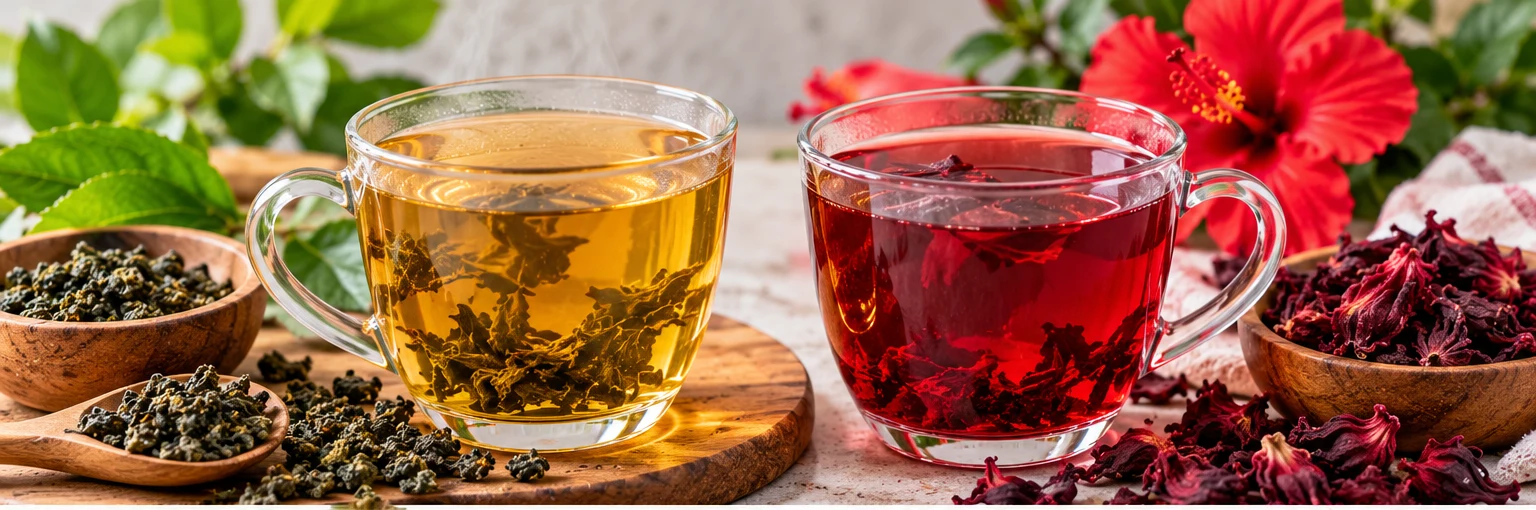
Pipi Tea is a tea brand currently associated with whole-leaf oolong, hibiscus tea, and matcha. Search interest around the brand has recently increased, especially for “pipi tea reviews,” “is pipi tea legit,” “pipi tea oolong,” and “pipi tea hibiscus.” This review looks at what the products appear to be, how oolong and hibiscus differ, what health claims are reasonable, and what shoppers should check before ordering.
The short version: Pipi Tea appears to be a real tea seller with product pages, brewing guidance, customer support information, and separate oolong and hibiscus offerings. That does not mean every wellness claim surrounding the brand or every social-media testimonial should be treated as proven. The ingredients, caffeine level, flavor, and brewing method matter more than dramatic before-and-after claims.
What is Pipi Tea?
Pipi Tea is marketed as a specialty tea brand built around a small selection of teas rather than a huge catalog. At the time of this review, the brand’s own pages describe oolong, hibiscus, and matcha as its main tea categories.
The oolong product is positioned as a whole-leaf tea, while the hibiscus product is a caffeine-free herbal infusion. Those are fundamentally different drinks, so it is important not to discuss “Pipi Tea benefits” as if every product has the same ingredients or effects.
Oolong comes from Camellia sinensis, the same plant used for green and black tea. Hibiscus tea is usually made from dried Hibiscus sabdariffa calyces and does not naturally contain caffeine.
Is Pipi Tea legit?
Based on the brand information currently available online, Pipi Tea appears to operate as a real tea retailer with product listings, brewing instructions, customer-service information, and refund or guarantee language on its sales pages.
Still, “legit” can mean several things. A company can be a real retailer without every health claim attached to its products being clinically proven. When evaluating Pipi Tea, separate these questions:
- Does the company sell identifiable tea products?
- Are ingredients clearly described?
- Does the site explain caffeine and preparation?
- Are shipping, return, and contact details available?
- Are wellness claims supported by evidence for the actual tea being sold?
The first four can be checked on the company’s own pages. The last one requires a more careful look at independent research on oolong or hibiscus rather than relying only on testimonials.
Pipi Tea oolong
Pipi Tea’s oolong is presented as a whole-leaf tea. Oolong sits between green and black tea in oxidation level, so the flavor can range from floral and light to roasted, honey-like, or deeper and more toasty depending on processing.
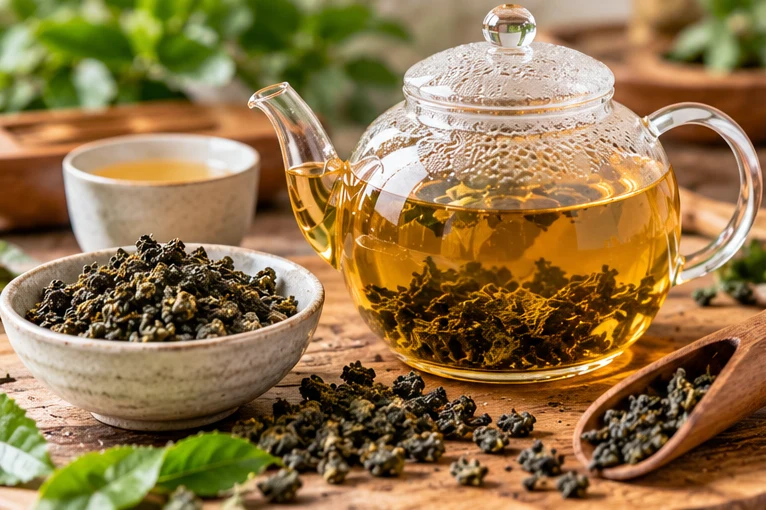
Because oolong comes from the true tea plant, it naturally contains caffeine. The exact amount in a cup depends on leaf quantity, water temperature, steep time, and the specific tea. It is not accurate to assume every cup has the same caffeine content.
Pipi Tea hibiscus
Pipi Tea’s hibiscus option is described as a caffeine-free herbal tea with a tart, cranberry-like flavor. Hibiscus brews a vivid ruby-red color and can be served hot or iced.

If you want to make a simple version from dried hibiscus rather than buying a branded tea, our hibiscus tea recipe explains how to prepare it hot or iced.
Pipi Tea oolong vs hibiscus
The biggest difference is that oolong contains caffeine and hibiscus does not. That alone may determine which version makes more sense for you.
- Oolong: true tea, naturally caffeinated, smoother and more tea-like, may be better suited to mornings or early afternoons.
- Hibiscus: herbal infusion, naturally caffeine-free, tart and fruity, suitable for hot or iced drinks.
If you are sensitive to caffeine or want an evening drink, hibiscus is the more obvious choice. If you want a traditional tea with some natural caffeine, oolong fits that role better.
What does Pipi Tea taste like?
The answer depends on the variety. Oolong is usually smoother and less grassy than many green teas. Depending on the leaves and roast, it can taste floral, lightly sweet, toasted, or nutty.
Hibiscus is much sharper. It has a bright, tart flavor similar to cranberry or sour cherry. Many people add a little honey, orange, cinnamon, or mint if they find plain hibiscus too acidic.
Does Pipi Tea have caffeine?
Pipi Tea does not have one single caffeine answer because the brand sells different teas. Oolong naturally contains caffeine. Matcha also naturally contains caffeine. Hibiscus is naturally caffeine-free.
If you are avoiding caffeine completely, check the exact product page and ingredient list instead of relying on the brand name alone.
Pipi Tea benefits: what is realistic?
The most useful way to evaluate benefits is by ingredient, not by brand. Oolong contains tea polyphenols and caffeine. Hibiscus contains anthocyanins and other plant compounds. Those compounds have been studied, but the strength of evidence varies by outcome.
A cup of tea can contribute fluid and plant compounds to the diet, but that is different from proving that it treats a disease, causes major weight loss, “detoxes” the body, or replaces medication.
Can Pipi Tea help with weight loss?
There is no good reason to treat Pipi Tea as a stand-alone weight-loss treatment. Unsweetened oolong or hibiscus can be low-calorie drinks, and replacing sugary beverages with unsweetened tea may reduce calorie intake. That is a practical beverage substitution, not a special fat-burning effect.
Oolong contains caffeine and tea polyphenols that have been studied for metabolism, but the effect is not large enough to justify dramatic weight-loss claims. Hibiscus has also been studied in metabolic research, but ordinary tea should not be marketed as a guaranteed slimming product.
Pipi Hibiscus Tea and blood pressure
Hibiscus is one of the more studied herbal teas for blood pressure. Some clinical trials and reviews suggest regular hibiscus consumption may modestly lower blood pressure in certain adults.
That does not mean Pipi Hibiscus Tea should replace prescribed blood-pressure medication. If you already take antihypertensive drugs, drinking large amounts of hibiscus could potentially add to their effect, so regular use should be discussed with a healthcare professional.
Pipi Tea and Kidney Health
There is not enough evidence to describe Pipi Tea as a kidney treatment or kidney-cleanse drink. People with kidney disease may need individualized guidance about fluids, potassium, caffeine, herbal products, and medication interactions, so a branded tea should not be used as a substitute for that advice.
Pipi Tea and Cholesterol Claims
Oolong tea has been studied as part of broader research on tea and cardiovascular markers, but that does not prove that a specific Pipi Tea product lowers cholesterol in an individual user. If cholesterol management is your goal, treat tea as a beverage choice rather than a replacement for diet, exercise, or prescribed treatment.
Pipi Oolong Tea and energy
Oolong can feel more energizing than hibiscus because it contains caffeine. It also contains L-theanine and tea polyphenols, although exact levels vary.
If caffeine causes jitters, palpitations, reflux, anxiety, or sleep problems for you, choose a smaller serving, brew it more lightly, or use the caffeine-free hibiscus option instead.
Pipi Tea Side Effects
Possible side effects depend on which Pipi Tea product you choose. Oolong contains caffeine, so sensitive people may experience jitteriness, sleep disruption, palpitations, stomach upset, or reflux. Stronger brews and larger servings can increase caffeine exposure.
Hibiscus is caffeine-free, but it can still cause problems for some people. Because hibiscus may influence blood pressure and blood sugar, people taking medicines for those conditions should be cautious about using concentrated or frequent servings without professional advice.
If a tea causes persistent dizziness, palpitations, stomach symptoms, rash, or another concerning reaction, stop using it and seek appropriate medical advice.
Pipi Tea reviews and complaints: how to read them
Search interest around “Pipi Tea reviews” and “Pipi Tea reviews and complaints” has increased sharply. That usually means potential buyers are looking for reassurance before ordering.
Customer reviews can be useful for questions such as flavor, packaging, shipping speed, convenience, and whether buyers felt the product matched the description. They are much less reliable for proving medical effects.
One person reporting less bloating, better sleep, lower blood pressure, or rapid weight loss does not establish that the tea caused the result. Look for patterns across many reviews, and keep product satisfaction separate from health evidence.
Pipi Tea Reviews and Complaints: What About Consumer Reports?
Searches for “Pipi Tea reviews and complaints Consumer Reports” are rising, but a search phrase is not evidence that Consumer Reports has published a review of this brand. Before relying on that wording, look for an actual Consumer Reports article, product test, or database entry that names Pipi Tea directly.
If you do not find a verifiable Consumer Reports source, treat third-party pages using that phrase as independent content rather than as an official Consumer Reports verdict. For complaints, focus on checkable issues such as shipping, billing, returns, product condition, ingredient labeling, and whether the received tea matches the listing.
Health testimonials deserve a different standard. A customer saying a tea lowered blood pressure, improved kidney function, reduced cholesterol, or caused rapid weight loss does not establish that the product produced that effect.
What to check before buying Pipi Tea
- Exact tea type and ingredients
- Caffeine content or caffeine-free status
- Number of servings per package
- Brewing instructions
- Current shipping terms
- Current refund or return terms
- Whether you are purchasing from the brand’s current official storefront
Prices, package sizes, shipping terms, and guarantees can change, so those details are better checked directly at purchase time rather than relying on an older review.
How to brew Pipi Oolong Tea
Follow the brewing instructions on your package first. In general, oolong is commonly brewed with hot water below a full rolling boil for a few minutes. Whole-leaf oolong can often be steeped more than once.
If your first cup tastes too bitter or dry, reduce the water temperature or steeping time. If it tastes weak, use a little more leaf or steep slightly longer.
How to brew Pipi Hibiscus Tea
The brand’s own guidance describes hibiscus as suitable for hot water and short steeping, with a longer steep producing a stronger and more tart cup.
You can drink it plain, add a small amount of honey, or serve it over ice. Citrus, mint, ginger, and cinnamon all pair naturally with hibiscus.
Can you make a Pipi-style hibiscus tea at home?
Yes. If the product is simply dried hibiscus flowers or tea bags containing hibiscus, the basic beverage itself is easy to reproduce with food-grade dried Hibiscus sabdariffa.
That does not make a homemade version identical to a branded product because sourcing, cut size, freshness, and packaging can change flavor. But the underlying drink is a standard hibiscus infusion.
Who should be careful with Pipi Tea?
People who are pregnant, breastfeeding, taking prescription medication, or managing blood pressure, blood sugar, kidney disease, or other chronic conditions should be cautious with frequent or concentrated herbal products.
For oolong, caffeine is the main practical consideration. For hibiscus, blood-pressure effects and medication interactions are worth considering. Individual allergies are also possible with any botanical product.
Is Pipi Tea safe during pregnancy?
Do not assume every tea under one brand has the same pregnancy safety profile. Oolong contains caffeine, so total daily caffeine intake matters. Hibiscus is an herbal tea with limited high-quality pregnancy safety data.
If you are pregnant, ask your prenatal care professional about the exact product before making it a regular habit.
Pipi Tea vs regular oolong or hibiscus
From a beverage perspective, Pipi Tea is not a completely new category of tea. Oolong and hibiscus existed long before the brand. What the brand adds is sourcing, packaging, convenience, presentation, and its own product positioning.
If you already buy high-quality loose-leaf oolong or dried hibiscus from another reputable supplier, the basic drink category is familiar. The decision becomes whether you prefer Pipi Tea’s sourcing, format, convenience, price, and customer experience.
Is Pipi Tea worth it?
It can be worth trying if you want a conveniently packaged tea and like the specific oolong or hibiscus profile offered. It may be less compelling if your main reason for buying is an expectation of dramatic weight loss, detoxification, or a guaranteed medical effect.
Evaluate it the same way you would evaluate any specialty tea: ingredient quality, taste, serving count, caffeine needs, price per cup, shipping, and return terms.
Final verdict
Pipi Tea appears to be a real tea brand selling familiar tea categories, especially oolong and hibiscus. The biggest mistake is treating the brand name as if it were a single special ingredient with one set of health benefits.
If you want caffeine and a traditional tea experience, the oolong option makes more sense. If you want a tart, colorful, caffeine-free herbal drink, hibiscus is the more natural fit. Either way, judge wellness claims by the evidence for the actual tea, not by social-media hype alone.
FAQS
What is Pipi Tea?
Pipi Tea is a tea brand associated with oolong, hibiscus and matcha products. The different teas do not have identical ingredients, caffeine levels or effects.
Is Pipi Tea legit?
Pipi Tea appears to operate as a real tea retailer with product pages, brewing information and customer-service details. That does not mean every wellness claim or testimonial should be treated as clinically proven.
Does Pipi Tea have caffeine?
It depends on the product. Oolong and matcha naturally contain caffeine, while hibiscus is naturally caffeine-free.
What is the difference between Pipi Oolong Tea and Pipi Hibiscus Tea?
Oolong is a caffeinated true tea made from Camellia sinensis. Hibiscus is a caffeine-free herbal infusion with a tart, fruity flavor and ruby-red color.
Can Pipi Tea help with weight loss?
Pipi Tea is not a proven stand-alone weight-loss treatment. Unsweetened tea can be a low-calorie beverage, but dramatic fat-loss claims are not established by ordinary tea consumption.
Is Pipi Tea safe during pregnancy?
Pregnancy safety depends on the specific tea. Oolong contains caffeine, while hibiscus has limited pregnancy safety data. Ask your prenatal care professional about the exact product before regular use.