
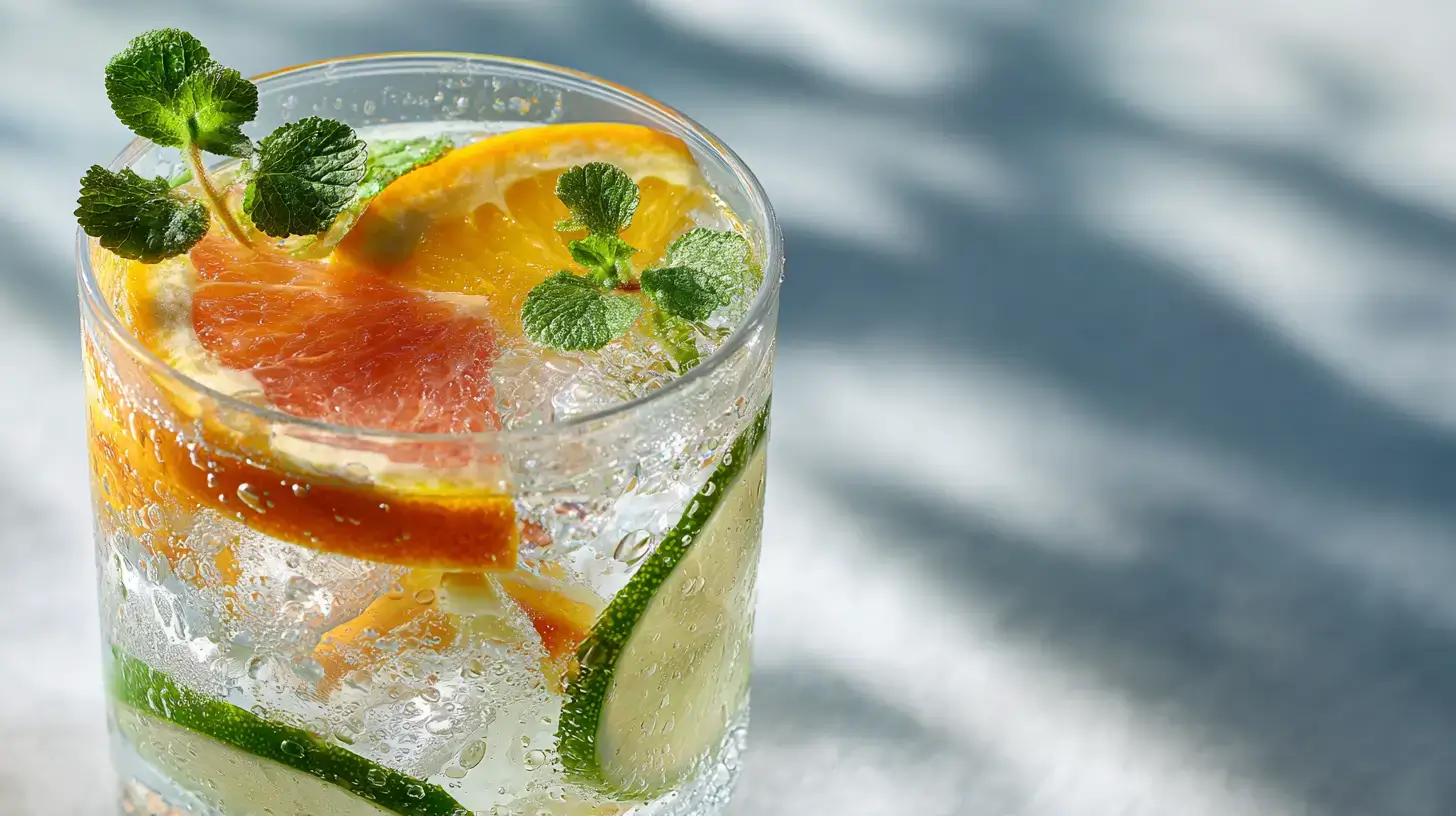
Functional mocktails combine the creativity of a mocktail with ingredients such as herbal teas, botanicals, fresh fruit, spices, and sparkling water. They offer an alcohol-free way to make a drink feel more interesting without relying entirely on syrups or sugary mixers.
Unlike a standard mocktail designed mainly to imitate a cocktail, a functional mocktail often starts with an ingredient chosen for a particular role: hibiscus for tartness and color, ginger for a spicy kick, mint for freshness, or herbal tea for an aromatic base.
But the word functional can be misleading. Adding an herb or botanical does not automatically turn a drink into a treatment or give it proven health benefits.
In this guide, you’ll learn what functional mocktails are, which ingredients work well in them, and how to make seven easy functional mocktail recipes at home.
What Is a Functional Mocktail?
A functional mocktail is a non-alcoholic mixed drink that incorporates ingredients commonly associated with functional or wellness beverages.
These may include:
- Herbal teas
- Fresh herbs
- Ginger
- Citrus
- Botanical ingredients
- Fruit
- Sparkling water
- Spices
- Occasionally adaptogenic or other functional ingredients
There is no official formula that determines whether a beverage qualifies as a functional mocktail.
In practice, the term is commonly used for alcohol-free drinks that combine mocktail-style preparation with ingredients associated with wellness or functional beverages.
The most important thing is to look beyond the label and consider what is actually in the glass.
Functional Mocktails vs. Traditional Mocktails
Traditional mocktails often recreate familiar cocktails without alcohol. They may use fruit juices, syrups, sodas, non-alcoholic spirits, bitters, and garnishes to reproduce a cocktail-like experience.
Functional mocktails can use some of the same techniques, but they often emphasize herbal teas, botanicals, spices, and other functional-drink ingredients.
That doesn’t automatically make one healthier than the other.
The nutritional profile depends on the actual recipe, particularly the amount of juice, syrup, added sugar, and other ingredients used.
Common Ingredients in Non-Alcoholic Functional Drinks
A good functional mocktail doesn’t need a long ingredient list. Combining a flavorful base with acidity, aroma, and optional carbonation is often enough.
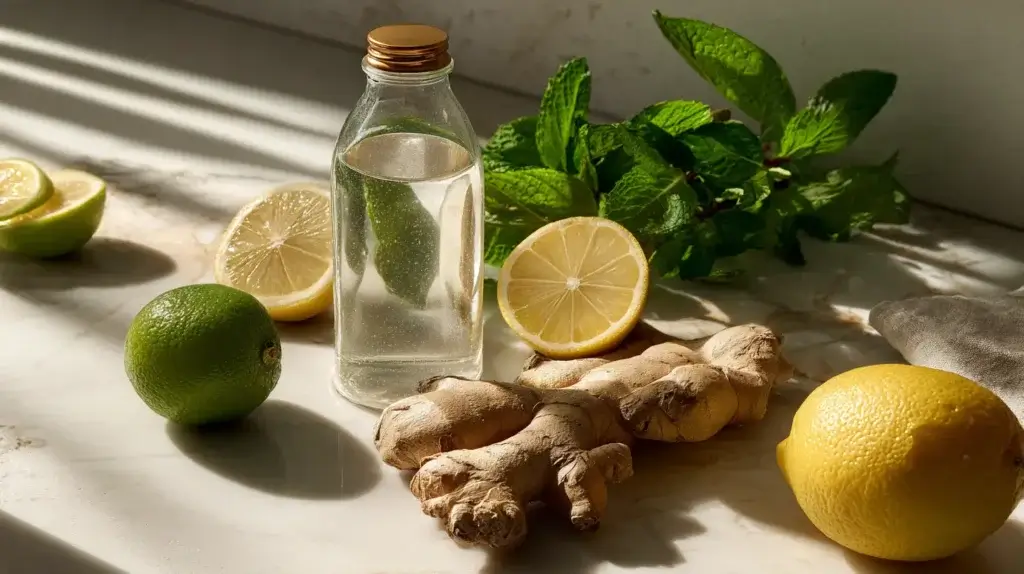
| Ingredient | What It Adds | Works Well With |
|---|---|---|
| Hibiscus tea | Tart flavor and deep red color | Lime, orange, mint |
| Rooibos tea | Smooth, earthy flavor | Orange, cinnamon |
| Chamomile tea | Floral, mild flavor | Lemon, honey |
| Ginger | Spicy warmth | Lemon, lime, mint |
| Mint | Fresh aroma | Citrus, cucumber |
| Rosemary | Piney herbal aroma | Grapefruit, lemon |
| Citrus | Acidity and freshness | Tea, herbs, sparkling water |
| Sparkling water | Carbonation and texture | Most mocktails |
These ingredients can be mixed in many ways, which makes botanical mocktails particularly adaptable.
1. Hibiscus Lime Sparkler
Hibiscus is especially useful in mocktails because its naturally tart flavor and ruby-red color create an attractive drink without artificial coloring.
Ingredients
- 1 hibiscus tea bag or 1 tablespoon dried hibiscus
- 3/4 cup hot water
- 1 tablespoon fresh lime juice
- 1/2 cup sparkling water
- Ice
- 1 teaspoon honey or another sweetener, optional
- Lime wheel and mint for garnish, optional
Instructions
- Steep the hibiscus in hot water according to the package directions.
- Remove the tea bag or strain the flowers.
- Allow the tea to cool completely.
- Fill a glass with ice.
- Add the cooled hibiscus tea and lime juice.
- Add sweetener if desired.
- Top with sparkling water and stir gently.
- Garnish with lime or mint.
The result is tart, refreshing, and colorful without requiring a flavored syrup.
2. Ginger Citrus Fizz
Fresh ginger gives this mocktail enough intensity that only a few additional ingredients are necessary.
Ingredients
- 4 thin slices fresh ginger
- 1/2 cup hot water
- 1 tablespoon fresh lemon juice
- 1/4 cup fresh orange juice
- 1/2 cup sparkling water
- Ice
- 1 teaspoon honey, optional
Instructions
- Place the ginger slices in hot water.
- Steep for about 5–10 minutes.
- Strain and allow the ginger water to cool.
- Fill a glass with ice.
- Add the ginger infusion, lemon juice, and orange juice.
- Add honey if desired and stir.
- Finish with sparkling water.
For a stronger ginger flavor, let the ginger steep slightly longer before cooling.
3. Mint Lemon Cooler
This is one of the simplest functional mocktail recipes and works particularly well when you want something crisp rather than sweet.
Ingredients
- 6–8 fresh mint leaves
- 1 tablespoon fresh lemon juice
- 3/4 cup chilled still or sparkling water
- 1/4 cup chilled herbal tea or water
- Ice
- 1 teaspoon honey or simple syrup, optional
- Lemon slice for garnish
Instructions
- Gently press the mint leaves in the bottom of the glass to release their aroma. Don’t pulverize them.
- Add lemon juice.
- Fill the glass with ice.
- Add the chilled tea or water.
- Top with still or sparkling water.
- Add a little sweetener if needed.
- Stir gently and garnish with lemon.
4. Rooibos Orange Mocktail
Rooibos provides a naturally caffeine-free tea base with a smooth flavor that pairs particularly well with orange.
Ingredients
- 1 rooibos tea bag
- 3/4 cup hot water
- 1/4 cup fresh orange juice
- 1/2 teaspoon fresh lemon juice
- 1/2 cup sparkling water
- Ice
- Orange slice for garnish
Instructions
- Brew the rooibos tea according to package directions.
- Remove the tea bag and allow the tea to cool.
- Fill a glass with ice.
- Add the rooibos, orange juice, and lemon juice.
- Top with sparkling water.
- Stir gently and garnish with an orange slice.
Because orange juice already contributes sweetness, taste the drink before adding any additional sweetener.
5. Chamomile Lemon Spritz
Chamomile provides a mild floral base for a simple alcohol-free spritz.
Ingredients
- 1 chamomile tea bag
- 3/4 cup hot water
- 1 tablespoon fresh lemon juice
- 1/2 cup sparkling water
- Ice
- 1 teaspoon honey, optional
- Lemon peel or slice for garnish
Instructions
- Brew the chamomile tea according to the package directions.
- Remove the tea bag and allow the tea to cool completely.
- Combine the cooled tea and lemon juice in an ice-filled glass.
- Add honey if you prefer a slightly sweeter drink.
- Top with sparkling water.
- Stir gently and garnish with lemon.
6. Rosemary Grapefruit Sparkler
Rosemary has a strong aroma, so a small amount is enough to give this botanical mocktail a distinctive flavor.
Ingredients
- 1 small rosemary sprig
- 1/3 cup grapefruit juice
- 1 teaspoon fresh lime juice
- 2/3 cup sparkling water
- Ice
- 1 teaspoon honey or simple syrup, optional
- Grapefruit slice for garnish
Instructions
- Gently press the rosemary sprig between your fingers to release its aroma.
- Place it in a glass with the grapefruit and lime juices.
- Add ice.
- Top with sparkling water.
- Taste before adding sweetener.
- Stir gently and garnish with grapefruit.
If grapefruit is unsuitable for you because of a medication interaction, choose another citrus-based recipe instead.
7. Cucumber Mint Botanical Fizz
This light mocktail relies on fresh cucumber and mint rather than juice for most of its flavor.
Ingredients
- 4 thin cucumber slices
- 5 fresh mint leaves
- 1 tablespoon fresh lime juice
- 3/4 cup sparkling water
- 1/4 cup chilled water
- Ice
- 1 teaspoon honey or simple syrup, optional
Instructions
- Add cucumber and mint to a glass.
- Press them gently with a spoon or muddler.
- Add lime juice and ice.
- Pour in the chilled water.
- Top with sparkling water.
- Add sweetener only if needed.
- Stir gently and serve immediately.
How to Build Your Own Functional Mocktail
Once you understand the basic structure, you don’t necessarily need a recipe.
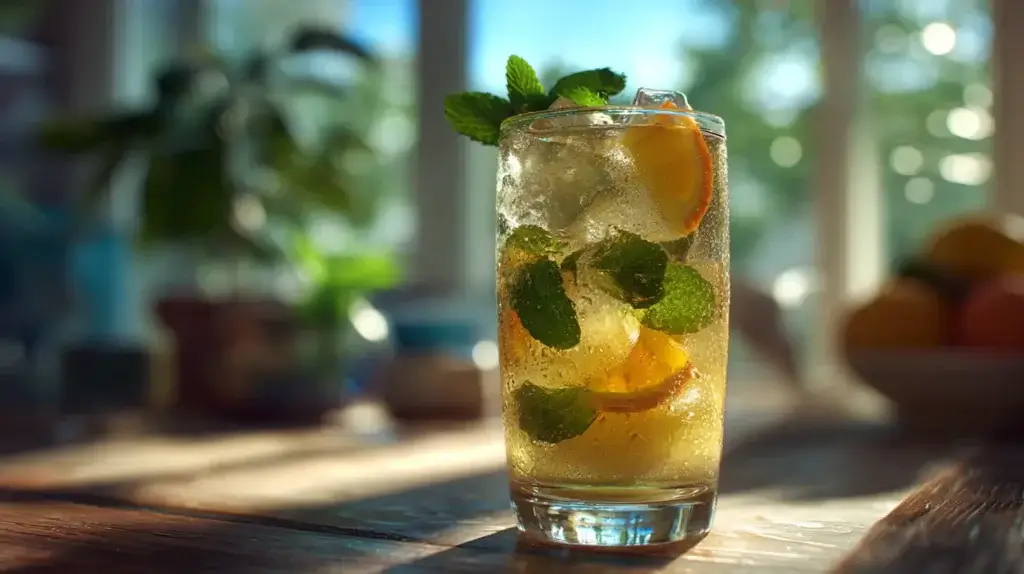
Start with four components.
1. Choose a Base
Try:
- Hibiscus tea
- Chamomile tea
- Rooibos
- Mint tea
- Still water
- Sparkling water
2. Add Acidity
A small amount of lemon, lime, orange, or grapefruit can make an otherwise flat drink much brighter.
3. Add an Herb, Spice, or Botanical
Mint, ginger, basil, rosemary, and other culinary botanicals can add aroma and complexity.
Use strong ingredients sparingly.
4. Adjust Sweetness
Taste the drink before sweetening it.
Fruit juice may already provide enough sweetness. If needed, add a small amount of honey, maple syrup, or another preferred sweetener.
This simple formula makes it easy to create dozens of herbal mocktail recipes from ingredients you already have.
What About Adaptogens in Functional Mocktails?
Some functional mocktails include ingredients marketed as adaptogens, such as ashwagandha, ginseng, or certain functional mushrooms.
That requires more care than simply adding mint or lemon.
Different botanical extracts have different safety considerations, and evidence for their effects varies considerably. They may also interact with medications or be unsuitable for some people.
If you’re interested in these ingredients, read our guide to adaptogenic drinks before adding concentrated extracts to beverages.
For everyday mocktails, you don’t need adaptogens at all. Herbal tea, fruit, culinary herbs, spices, and sparkling water can provide plenty of flavor.
Functional Mocktails for Parties and Corporate Functions
Functional mocktails can also work well for parties, office gatherings, conferences, and corporate functions because they provide a non-alcoholic choice that feels more considered than plain water or soda.
For larger events, choose recipes that can be prepared mostly in advance.
Hibiscus tea, rooibos tea, and ginger infusions can be brewed and chilled ahead of time. Citrus juice can also be prepared before serving.
Keep sparkling water separate until the last moment so the drinks don’t lose their carbonation.
For a simple mocktail station, offer:
- One chilled tea base
- Still and sparkling water
- Lemon and lime wedges
- Fresh mint
- Cucumber slices
- A lightly sweetened option
- An unsweetened option
Guests can then adjust their drinks according to their preferences.
For a large group, avoid complicated recipes requiring several individually measured ingredients.
Are Functional Mocktails Healthy?
“Functional” does not automatically mean healthy.
A mocktail made mostly from herbal tea, sparkling water, fresh herbs, and a small amount of fruit juice can be relatively simple.
Another functional mocktail could contain large amounts of syrup, juice, sweetened tonic, or other added sugars.
The name of the beverage therefore tells you much less than its ingredient list.
If you’re trying to reduce added sugar, use unsweetened tea or sparkling water as the main base and add sweetness gradually.
Are Functional Mocktails the Same as Wellness Drinks?
The categories overlap, but they’re not identical.
Wellness drinks include a much broader range of beverages, from herbal teas and electrolyte drinks to functional beverages and other drinks marketed around wellness.
Functional mocktails are more specifically mixed, alcohol-free drinks designed to provide a mocktail-style experience.
You can explore the broader category in our wellness drinks guide.
Common Mistakes When Making Functional Mocktails
The first is using too many ingredients. Five different herbs won’t necessarily make a better drink. A simple combination often produces a cleaner flavor.
The second is adding too much sweetener before tasting. Citrus, juice, and flavored teas can already contribute sweetness.
Another common mistake is assuming every botanical ingredient has a health benefit simply because it is natural.
Finally, don’t forget dilution. Ice melts, so a drink that tastes perfect before serving may become watery after several minutes. Using chilled ingredients can help.
Frequently Asked Questions
What is a functional mocktail?
A functional mocktail is a non-alcoholic mixed drink containing ingredients commonly associated with functional or wellness beverages, such as herbal teas, botanicals, ginger, fresh herbs, or fruit. There is no single standardized definition.
What are common ingredients in functional mocktails?
Common ingredients include herbal teas, citrus fruits, ginger, mint, rosemary, basil, cucumber, fruit juices, still water, and sparkling water. Some products also include adaptogens or other botanical extracts.
What are some good herbal mocktail recipes?
Hibiscus with lime, chamomile with lemon, rooibos with orange, and mint with citrus are simple combinations that work well without alcohol.
Can functional mocktails be made without sugar?
Yes. Unsweetened herbal tea, citrus, fresh herbs, cucumber, and sparkling water can be combined without added sugar. Whether you enjoy the taste without sweetener is a matter of preference.
Are functional mocktails alcohol-free?
The recipes in this guide are alcohol-free. When buying a prepared or bottled product, check its label because formulations vary.
What are good functional mocktails for corporate functions?
For larger events, simple drinks such as hibiscus-lime spritzers, citrus sparkling water, and cucumber-mint fizz are practical because the bases can be prepared in batches. Keep carbonated water separate until serving.
Can I make functional mocktails ahead of time?
You can prepare tea bases, ginger infusions, and some juices ahead of time and refrigerate them. Add ice, fresh herbs, garnishes, and sparkling water shortly before serving for better texture and flavor.
Final Thoughts
Functional mocktails don’t need complicated ingredients or exaggerated wellness claims to be useful.
A good recipe can be as simple as chilled herbal tea, citrus, a fresh herb, and sparkling water.
Hibiscus, rooibos, chamomile, ginger, mint, rosemary, and fresh fruit all provide different ways to build interesting non-alcoholic drinks while keeping the recipes easy to reproduce at home.
Start with one of the seven functional mocktail recipes above, then adjust the acidity, sweetness, herbs, and carbonation to create a drink that suits your taste.
Print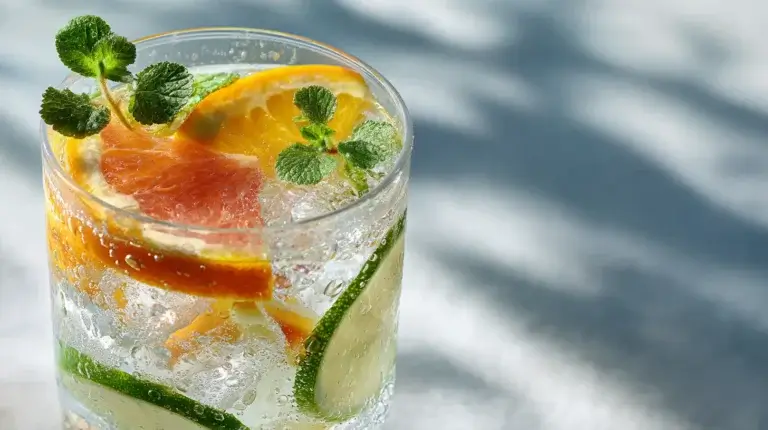
Functional Mocktail Recipes: Easy Non-Alcoholic Wellness Drinks
These functional mocktail recipes are simple, non-alcoholic wellness drinks made with fresh citrus, herbal tea, and sparkling water. They’re light, refreshing, and designed to fit easily into everyday routines without added complexity.
- Total Time: 10 minutes
- Yield: 1 serving 1x
Ingredients
- 1 cup brewed herbal tea (cooled)
- ½ cup sparkling water
- 1 tablespoon fresh lemon or lime juice
- Ice cubes
- Fresh herbs (mint or basil), for garnish
- Citrus slices, for garnish
Instructions
- Brew the herbal tea and allow it to cool completely.
- Fill a glass with ice cubes.
- Pour the cooled herbal tea over the ice.
- Add fresh citrus juice and stir gently.
- Top with sparkling water.
- Garnish with fresh herbs and a citrus slice.
- Serve immediately and enjoy.
Notes
Keep ingredient combinations simple for the best flavor balance. Sparkling water can be replaced with still water for a softer drink. Sweeteners are optional and should be used sparingly, if at all.
- Prep Time: 5 minutes
- Cook Time: 5 minutes
- Category: Beverage
- Method: Stirred
- Cuisine: International
Nutrition
- Serving Size: 1 glass
- Calories: 25
- Sugar: 3 g
- Sodium: 10 mg
- Fat: 0 g
- Saturated Fat: 0 g
- Unsaturated Fat: 0 g
- Trans Fat: 0 g
- Carbohydrates: 6 g
- Fiber: 0.5 g
- Protein: 0 g
- Cholesterol: 0 mg
Keywords: functional mocktail recipes, non-alcoholic wellness drinks, easy mocktails, alcohol-free drinks, wellness beverages